Acting
No biography available.
Berlin in the 1930s - Adolf Hitler comes to power, communists and social democrats are persecuted, books are burned and Jewish citizens are ostracized. The outwardly shiny façade of Berlin, the capital of the Reich, reveals nothing of the unequal struggle of young people against the increasing oppression...
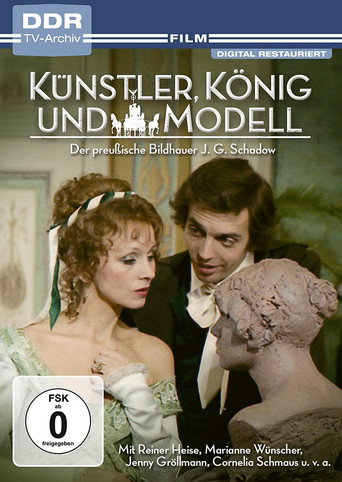
Johann Gottfried Schadow is only in his early twenties when he is put in charge of the royal sculptor's workshop in Prussia's capital Berlin. He is supported in this position above all by the fair ladies.
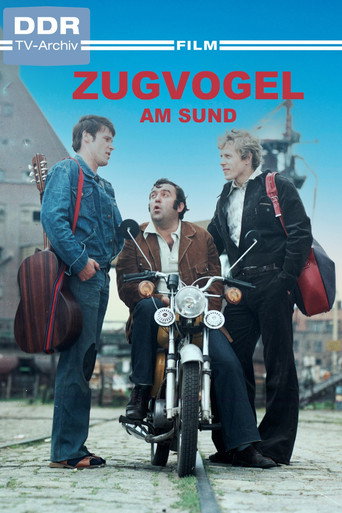
Ekke and Karsten are newcomers to the shipyard. Paddy claims to have heard it on Rügen radio. But the two did not fall on their heads, even if they still fear that their accommodation, the "Fritz Heckert" accommodation ship, could be - as it is called - a "working-class monastery". Not only do they find out from Paddy that such worries are unfounded, they experience it for themselves.
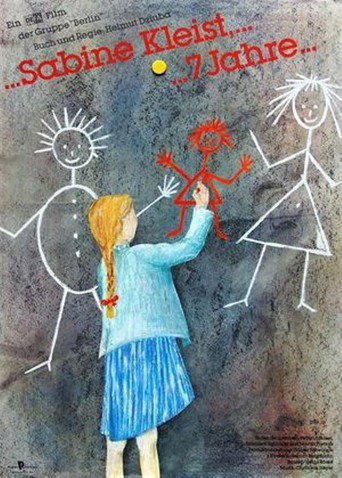
Little Sabine has spent her childhood in an orphanage after her parents died in a car accident. When one of the women in charge at the orphanage, Edith, leaves to have a baby, Sabine runs away, because Edith was the only adult there she could trust. She then wanders through the city to find someone to take her in. She meets a lot of people on her journey, but she seems out of place everywhere she goes until, at last, she realizes that there is a special place where she belongs.
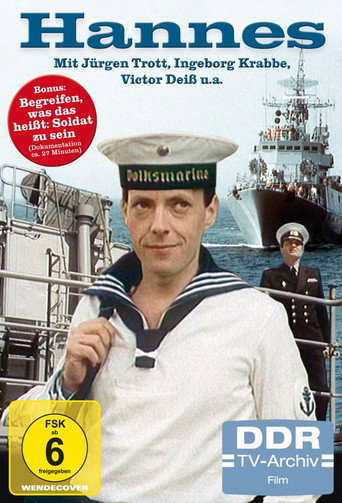
Hannes Peters is delighted that he can escape his unloved job as a chef and join the navy. He is overjoyed to be assigned as a hydroacoustician. But then the cook falls ill and Hannes is transferred to the galley. He resists, serves inedible dumplings and oversalted coffee, but it doesn't help! For a while, he has to do his duty as a smutje and finally realizes that everyone in the navy is in the same boat.