Acting
No biography available.
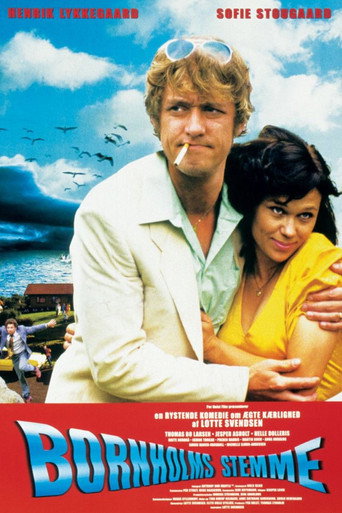
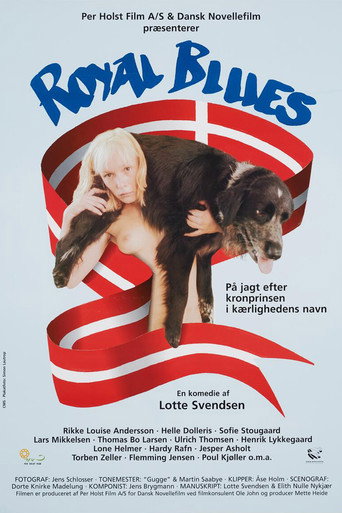
Based on director Lotte Svendsen's own memories of her childhood on the Baltic island of Bornholm, but though it is set in 1981 the conflicts portrayed do not seem far away. At the start of the film Lars Erik and his wife Sonja are doing well on the Baltic island of Bornholm. Lars Erik is a successful fisherman, Sonja is a traditional housewife, proud of their new house bulging with consumer goods. Their love for each other is the sturdy footing on which their home is founded. Lars Erik employs three men on his trawler, and spends as fast as he earns, so when fishing quotas are cut he faces a crisis. One by one his men leave the boat, but he refuses to give up. Being a fisherman is like being a farmer - you depend on the wealth of mother nature herself. However, mother nature is like romance, highly capricious!
Early morning. A young couple enters their apartment after locking themselves out. The home is completely empty and dark, and there is no sign of the family who had been their neighbors for years. The lights don't work, and when they finally manage to light a match, they see the body of the old girl slumped in an armchair.
Mikkel is given the opportunity to advance to deputy director of the company, and now the director has invited Mikkel and his wife to dinner at his home. Mikkel relies on certain unwritten rules and on himself. The latter is the most problematic.
Ole Ernst stars as an energetic conman lured into trying to set a factory on fire to catch in on the insurance. The plan backfires and both the factory owner, his wife and the conman hunted by the police must flee to Sweden.
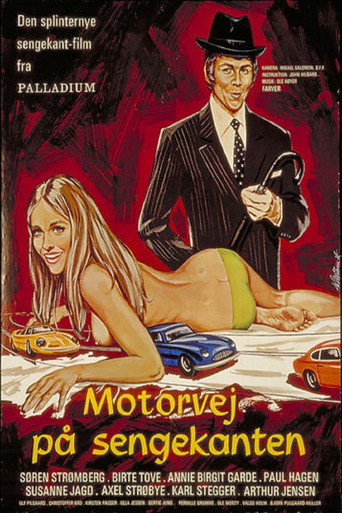
In this Danish sex comedy, precisely opposite goals lead a young official of the Department of Roads and Traffic and all the women of the local village to end up in the sack. His goal is to get them to sign papers allowing a new highway to go through the middle of town. Their goal is to get him to re-route the highway.
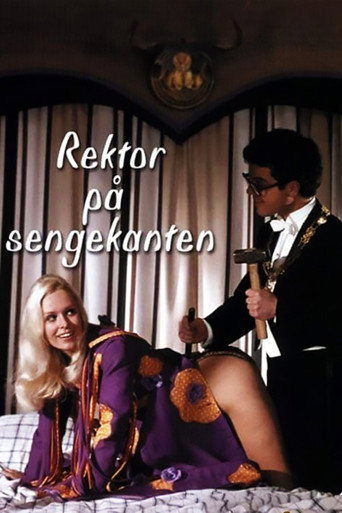
The young headmaster of a boy's boarding school has decided that due to the virility of his young charges, they are a sort of national treasure. He believes that his school should become co-educational as soon as possible. In order to raise funds for the changeover, the boys stay behind during their summer vacation and temporarily convert the school into a love hotel.
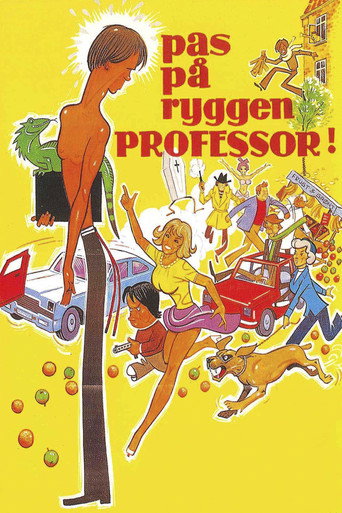
When a boring collage professor is mistaken for his cousin, he gets into all kinds of trouble, with hilarious results.
A snapshot of the state of the Danish nation: in one of the stories, a woman enters a pole-sitting contest in a desperate bid to reinvent herself. Another is about Erik, whose wife has been lobbying a Better Homes and Gardens type magazine to do a spread on their perfect home. When the editors finally relent, she makes Erik sip his red wine in the laundry room lest he stain their cream-colored couches. Svend, the last remaining Marxist in Copenhagen, is the impassioned organizer of a political mass meeting where no one shows up. Finally, Jens, a pizza and porno connoisseur, connives his way to some booty by convincing Gry the model that he lives with his mentally challenged brother. Over the course of a week, their paths cross and nothing, and nobody, is ever quite the same again.
Laura and Micha travel the Danish countryside performing their off-beat cabaret show. Their personal lives suffer as a result of their dedication to their craft, yet the chaos that ensues becomes the grist for their revue.
Hailed in the media as one of the most provocative and thoughtful monologues ever presented, Peter Larsen explains the infamous 'Tamil case' in his own distinguished way. Using his clever wit and several technical devices he unwraps the details of the case - the case which became one of the biggest political scandals in Danish history, involving the resignation of the Prime Minister Poul Schlüter and the entire Danish government in January 1993. The center figure of the 'Tamil case', the Minister of Justice Erik Ninn Hansen, was impeached for high crimes and misdemeanours. —nathue