Acting
No biography available.
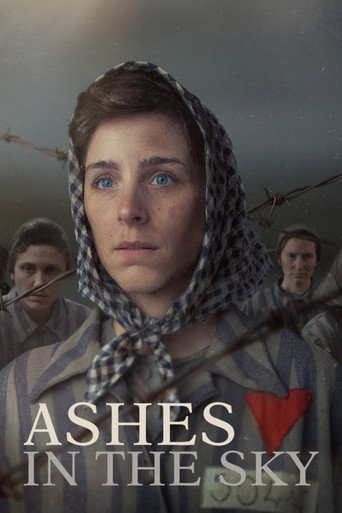
In 1945, at the end of World War II, Neus Català returns to France, where she recalls her life under the Nazi yoke.
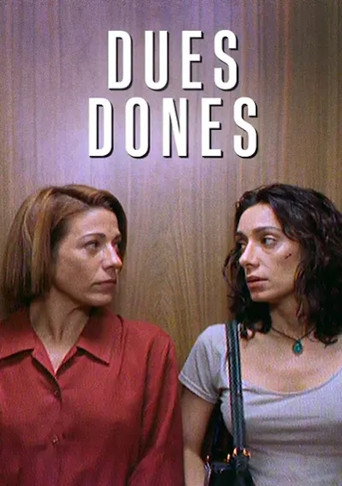
Isabel suffers a disorder after learning that her husband, due to his immaturity, falls in love with a young teenager. She will try to get over it and with the little help of her daughter, a fanatical psychotherapist who only tortures her, she decides to start over and finally enjoy a new life. Something that will lead her to meet a true gentleman...
Claudia lives happily married with an architect and is part of a rich family of builders. In a children's party going on an apparently unrelated to it: a clown found hanged.
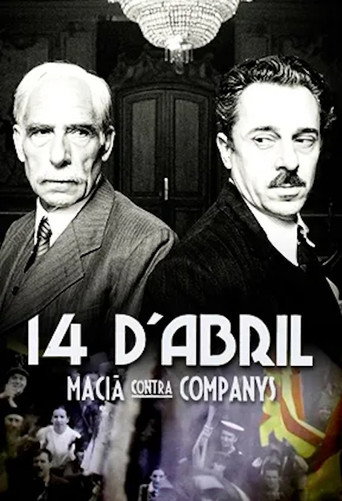
"14 d'abril. Macià contra Companys "is a television drama, allegedly recorded in 1932, but with the methods, style and own means 2010. With this temporary license, the stars of one of the episodes of the Catalan capital twentieth century discussed the facts, in first person, while a nosy camera helps us to relive what happened in Barcelona between 14 and 17 April 1931, the three-day duration of the Catalan Republic. All with the aim of showing the greatness and the precariousness of a gesture, half improvised by Companys key sovereigntist corrected by Macià, and that led to a shouting match.
A female professor, a writer, and an orchestra conductor--three characters, two couples--attend a grand literary cocktail party. The writer has just won the prize for his book "Warsaw Bridge." The winner answers the journalist's questions one after another, but he is unable to come up with a synthesis of the plot of his book. They will simply have to read it.
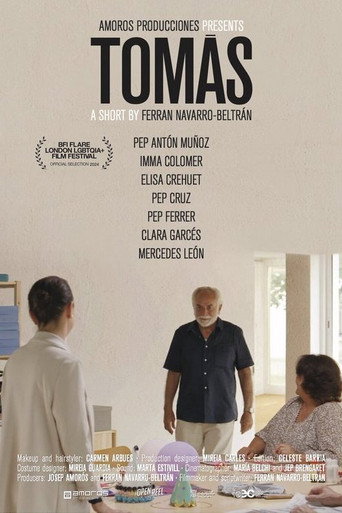
A touching drama about a gay man who, following the death of his partner, moves into a nursing home.
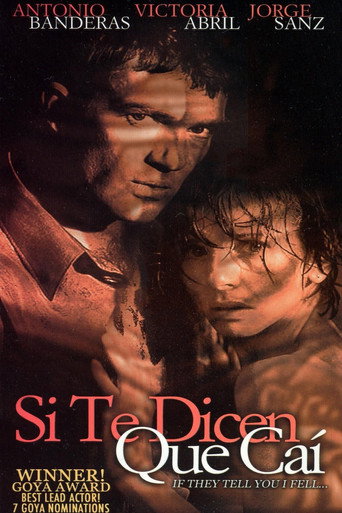
In the post Spanish civil war years, Catalan kids would sit in circles among the ruins and tell stories, known as "aventis" (the film's original title in Catalan, its original language). These tales mix war stories, local gossip, comic book characters, fantasy and real events. The "aventis" told in this film are told in flashback. In the mid 80s, 45 or so years after the age of the "aventis," a doctor and a nurse-nun (who grew up together, and now are co-workers in a hospital) identify the corpse of one of the main characters of the "aventis" of their childhood and adolescence. Besides the interesting flashbacks - a chronical of the Civil War in a "typical" Barcelona microcosm itself, the discovery of this body (belonging to someone long presumed dead) leads to other surprises and unresolved doubts, several decades later