Pegah Ahangarani Movies, TV Shows, and Filmography
Pegah Ahangarani
Acting
Biography
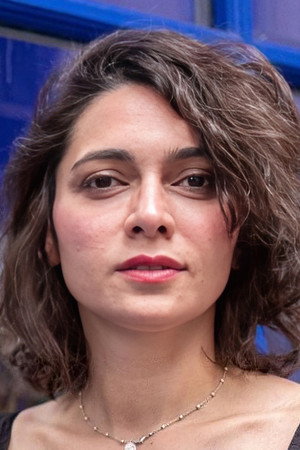
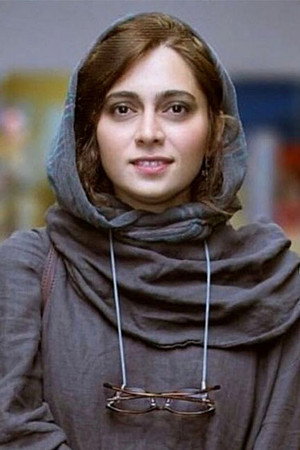
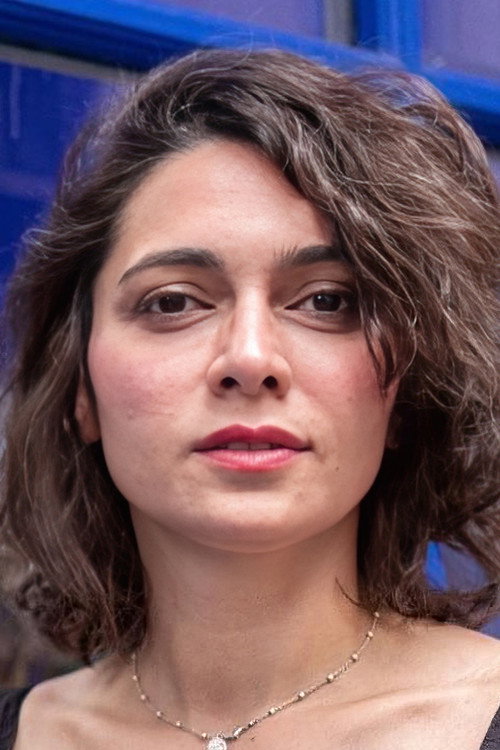
Pegah Ahangarani is an Iranian actress and Film director. She is the daughter of actress and director Manijeh Hekmat and movie director Jamshid Ahangarani. She has acted in 11 Iranian feature films since 2001 and made one documentary.
Filmography Movies
Acting
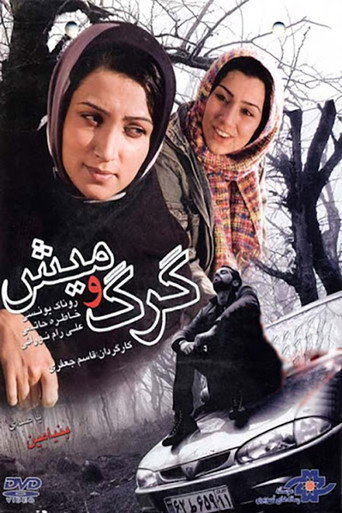
Twilight
Sarah and Soodeh, sisters who lost their parents in the earthquake, have a good life in a hut in the northern mountains. Sarah brings a young man named Parsa who has lost his way to the hut and ...
For Marjan
Happiness in a relationship is completely a matter of chance; Maybe making others fear us and forcing them to stay with us is more reliable than loving us.

To Each His Own Cinema
Commissioned to mark the 60th anniversary of the Cannes Film Festival, "To Each His Own Cinema" brought together 33 of the world's pre-eminent filmmakers to produce short pieces exploring the multifarious facets of cinema and their perspective on the state of their chosen artform in the early 21st century.
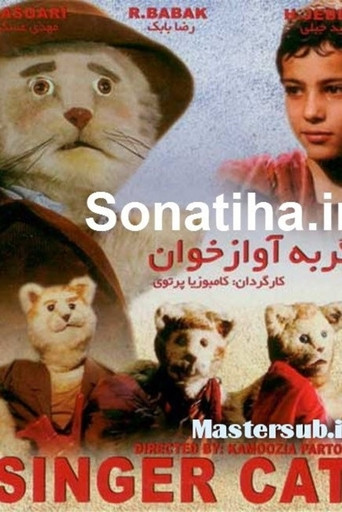
The Singer Cat
Hasani who is an orphan is living with his little sister Goldouneh in an orphanage. One day a couple come there to adopt a child. They chose Goldouneh but Hasani who believes that their father is somewhere waiting for them is refusing...
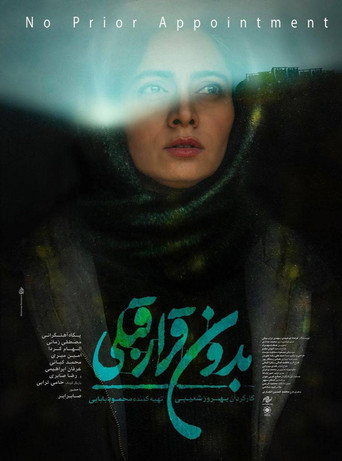
No Prior Appointment
When Yasmin was six years old, as her son is now, the family immigrated to Berlin. Now the heroine is forced to return to Iran because of the death of her father. the son suffers from autism, and this greatly complicates the trip. Arriving in Iran, Yasmin, who hardly knew her father, is surprised to discover that he left her all the inheritance. a short and unwanted stay in her father's hometown and meetings with those who knew him make her rethink concepts such as life, death and human nature.
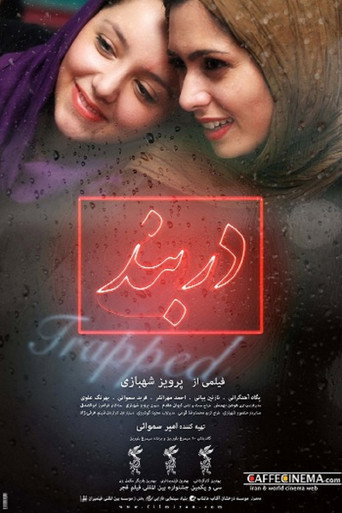
Trapped
This fascinating moral thriller is centered on the bristling relationship between two very different young women in contemporary Tehran. Nazanin (Nazanin Bayati) is a determined first year medical student. Since there is no free space in the university dorm and Nazanin does not have much money, she is obliged to share an apartment with Sahar (Pegah Ahangarani), a party lover who works in a fragrance shop. Sahar badly wants to migrate from Iran, so she’s borrowed money from a man in the bazaar. When this man makes an opportunistic complaint against Sahar, she is imprisoned. There have been some very some rocky times between the two roommates and their conflicting lifestyles, but Nazanin will now do everything she can to have her friend released.
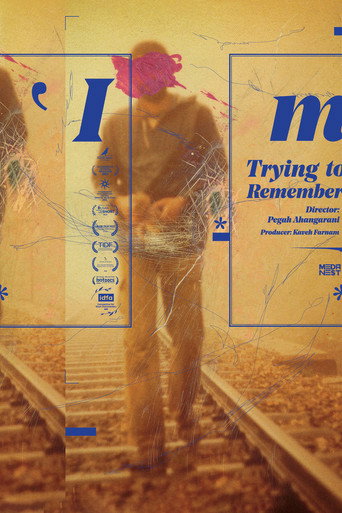
I Am Trying to Remember
Pegah talks about Gholam, a man who’s not like her father, mother, uncles, or aunts, even though he’s always present at family gatherings. Gholam films these everyday scenes with his own camera. At the time, Pegah can’t imagine what the purpose of these films might be, but she’s happy to pose before the lens of this family friend, who she’s certainly very fond of.
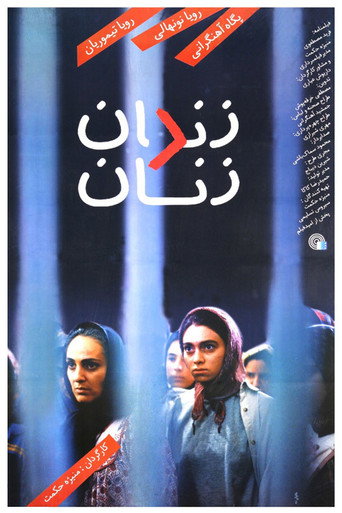
Women's Prison
Spanning 18 years in an Iranian women's prison, this follows two women: the new prison warden, a tough as nails devout Muslim who has served in the army on the Iraqi front, and a young midwife, Mitra, who is serving her sentence for killing her mother's abusive husband. In the early years, Mitra is repeatedly punished as the warden tries to break her. This includes punishment for delivering a baby in the prison cell while all of the prison staff has taken shelter during an Iraqi bombing. The warden's attitude starts to change after 8 years, when Mitra tries to protect a new inmate from rape at the hands of her older cellmates. When the baby comes back in 1991 as a 17 year old delinquent, Sepideh, the warden respects Mitra enough to protect the girl.
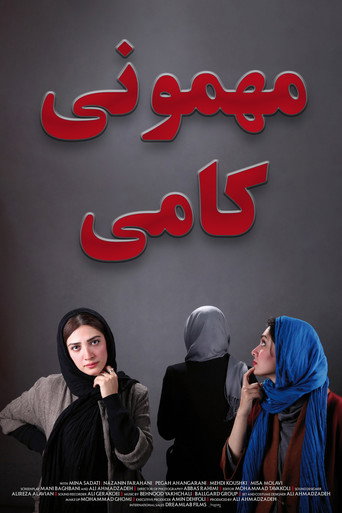
Kami's Party
A road trip takes many unexpected turns.
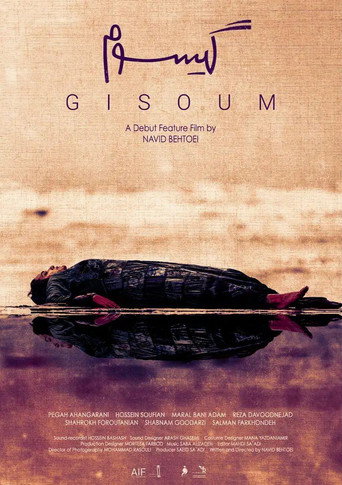
Gisoum
A Movie by Navid Behtoie
Production
I Am Trying to Remember
Pegah talks about Gholam, a man who’s not like her father, mother, uncles, or aunts, even though he’s always present at family gatherings. Gholam films these everyday scenes with his own camera. At the time, Pegah can’t imagine what the purpose of these films might be, but she’s happy to pose before the lens of this family friend, who she’s certainly very fond of.
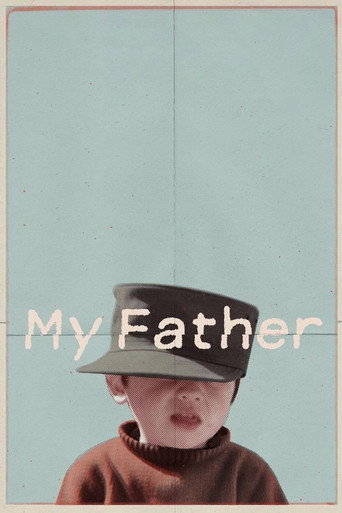
My Father
When Iranian actress and director Pegah Ahangarani (1984) was growing up, she thought every soldier she saw on television might have been her father. During her earliest years he was fighting at the front, and a portrait of Khomeini hung in a prominent place in the house. But one day the image of the Ayatollah disappeared without explanation and another photo took its place.
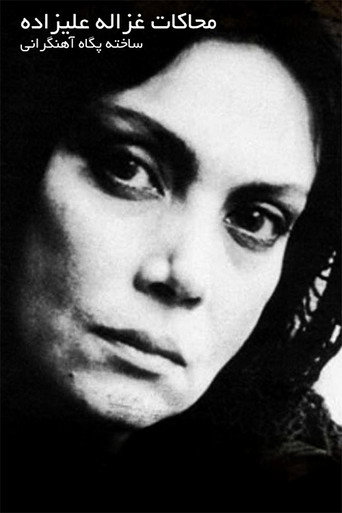
Mohakate Ghazaleh Alizadeh
A documentary about Ghazaleh Alizadeh who was an Iranian poet and writer.
Mohakate Ghazaleh Alizadeh
A documentary about Ghazaleh Alizadeh who was an Iranian poet and writer.
I Am Trying to Remember
Pegah talks about Gholam, a man who’s not like her father, mother, uncles, or aunts, even though he’s always present at family gatherings. Gholam films these everyday scenes with his own camera. At the time, Pegah can’t imagine what the purpose of these films might be, but she’s happy to pose before the lens of this family friend, who she’s certainly very fond of.
Deh Namaki-ha
Pegah Ahangarani sets out on a one woman manhunt for Masoud Dehnamaki.
My Father
When Iranian actress and director Pegah Ahangarani (1984) was growing up, she thought every soldier she saw on television might have been her father. During her earliest years he was fighting at the front, and a portrait of Khomeini hung in a prominent place in the house. But one day the image of the Ayatollah disappeared without explanation and another photo took its place.
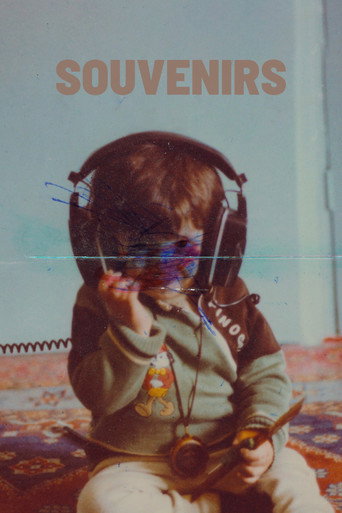
Souvenirs
This documentary follows the life of the director and how she's been impacted by the loss of loved ones to dictatorial orders in Iran. Each of the five 15-20 minute chapters focuses on a different person who influenced the director's life and whose story highlights a specific period in Iran's history. The film covers the past 40 years of Iran's history and uses archival footage to recreate the atmosphere of that time. The main theme of the documentary is separation and loss, as the director mourns the loss of each of the beloved heroes featured in the episodes. The film is a sequel to the director's previous successful short film "I Am Trying to Remember".
Souvenirs
This documentary follows the life of the director and how she's been impacted by the loss of loved ones to dictatorial orders in Iran. Each of the five 15-20 minute chapters focuses on a different person who influenced the director's life and whose story highlights a specific period in Iran's history. The film covers the past 40 years of Iran's history and uses archival footage to recreate the atmosphere of that time. The main theme of the documentary is separation and loss, as the director mourns the loss of each of the beloved heroes featured in the episodes. The film is a sequel to the director's previous successful short film "I Am Trying to Remember".
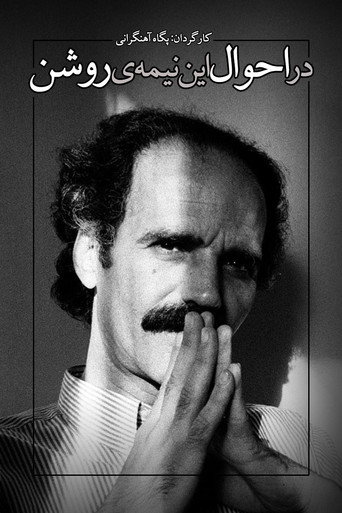
About This Bright Half
A documentary based on Faraj Sarkohi's interviews with Houshang Golshiri. Kaveh Golestan filmed these interviews between 1993 and 1996.
Gallery