Peeter Volkonski Movies, TV Shows, and Filmography
Peeter Volkonski
Acting
Biography
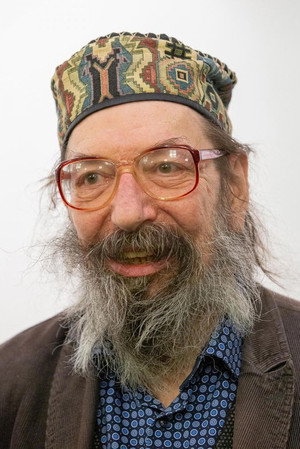
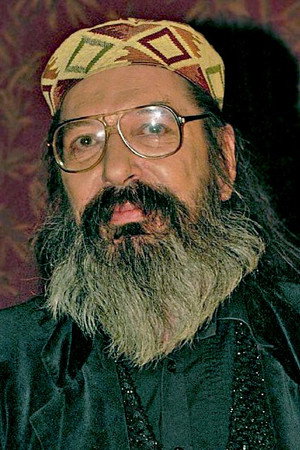
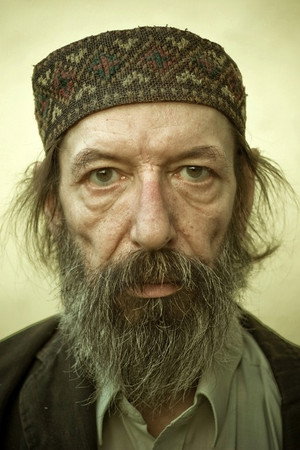
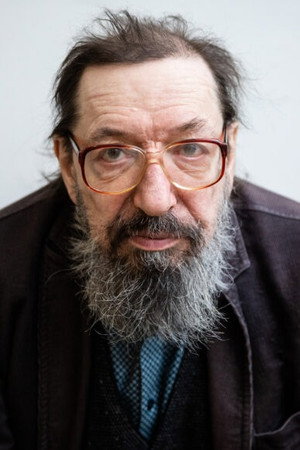
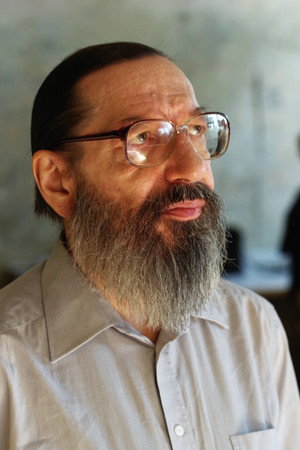
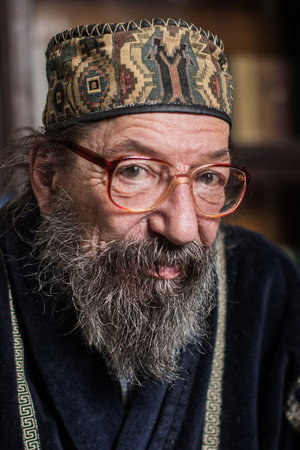
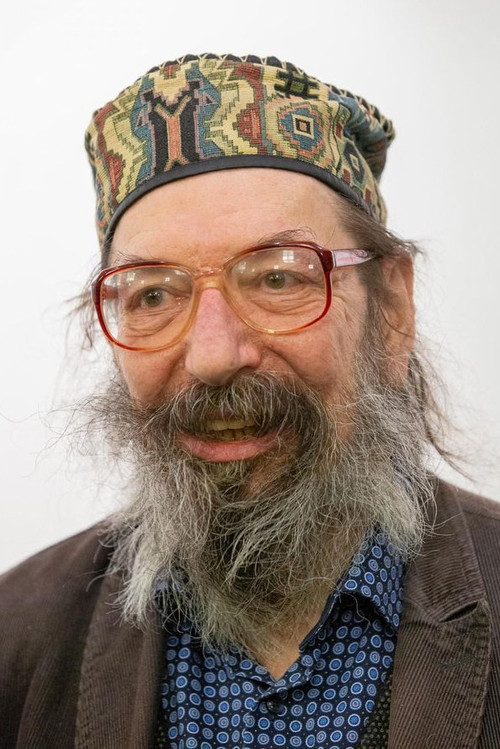
Prince Peeter Volkonski (born September 12, 1954 in Tallinn) is an Estonian rock-musician, composer, actor, and theatre director. He became famous with the punk band Propeller, founded in 1978. In 2015 Volkonski was Free Party's candidate in the Tartu constituency for Estonian parliamentary election. He received 916 votes, which was not enough for a seat in the parliament. Peeter Volkonski's paternal ancestry comes from the Russian noble Volkonsky family; his father was the Russian composer and harpsichordist Prince Andrei Volkonsky. His paternal grandfather was the noted Russian opera baritone Prince Mikhail Volkonsky and his great-great-great-grandfather was Prince Pyotr Mikhailovich Volkonsky, thus, being a descendant of the princely Rurikid dynasty. His maternal ancestry is Estonian; his mother is the Estonian translator and writer Helvi Jürisson, who is a noted poet and author of children's literature.
Filmography Movies
Acting
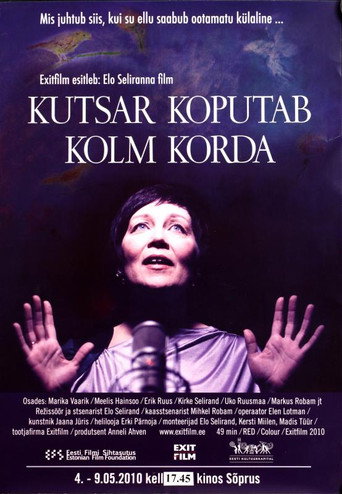
Messenger Knocks Three Times
The film tells the story of a single mother having trouble coping with everyday life. However, she finds in magic and fantasy a way to escape her reality until the enigmatic appearance of a man in her life. He will change her forever, to the point of making the decisions she has always feared. She will suddenly and conclusively have to answer her own question: what do I want? She will be given a chance to correct the mistakes in her life; will she cherish this opportunity or let it slip away?
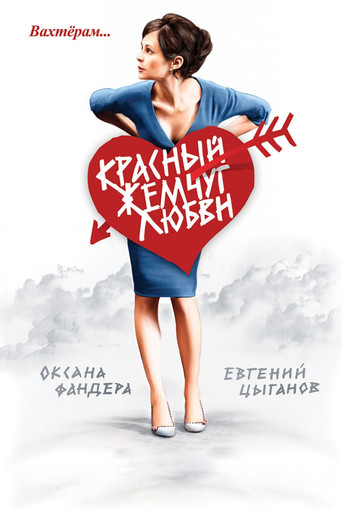
Red Pearls of Love
Maria is young and beautiful. Her life resembles a fairy tale, in which the wishes come true if by magic. She has a smart, loving husband. And all that can be bought for money. Maria wants a child but could not bear it. She lives, but does not feel life. She is very unhappy.
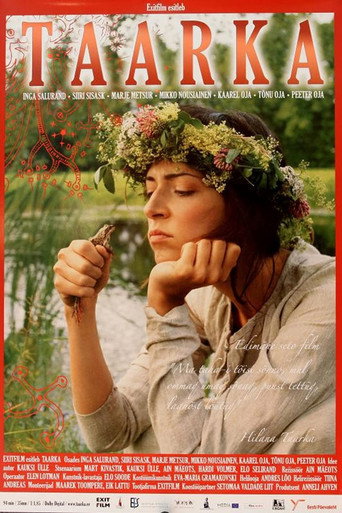
Taarka
The first film in the Seto language in the world speaks about the brightest heroine of a small people, the folk singer Hilana Taarka, a woman who lived her whole life as an outcast in a small chimney-less hut; as an unmarried mother of children in poverty, begging her bread, doing odd jobs and singing. She always sang the truth, sometimes bitter, sometimes funny, sometimes cruel. She was feared, despised and coveted. Taarka sang throughout her remarkable life, throughout her fate, from a small Seto village to international fame. And she sang well. Really well. Taarka became the Mother of the Song, a legend. But as a woman, as a member of the community, the Seto people never really accepted her. Taarka - a despised woman and a worshiped singer.
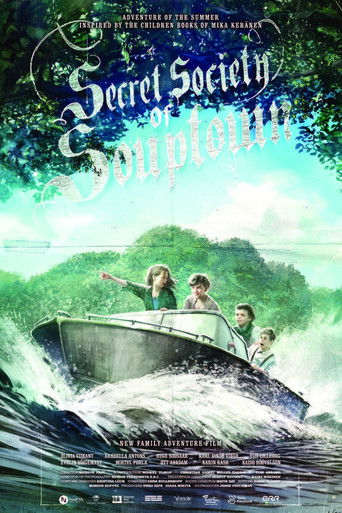
Secret Society of Souptown
Four children - Mari, Sadu, Olav and Anton form a secret society to play hide-and seek games invented by Mari's grandfather, a professor at the university. When the city is attacked by a mysterious poison which turns adults into children our gang embarks on a quest for the antidote.
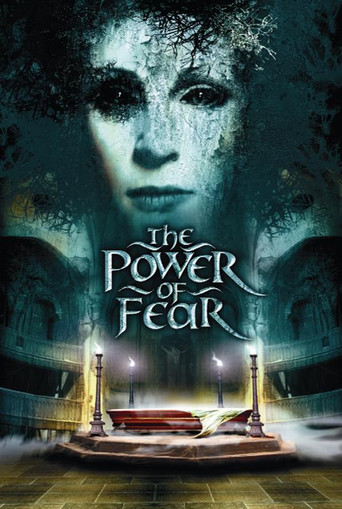
The Power of Fear
Ivan, a cynical journalist, is assigned to investigate mysterious events in a small town. During his first night, he is seduced by a strange and mysterious girl. As they embrace, she transforms into a hideous demon. Ivan fights the creature, managing to strangle it. But it is too late, Evil has been unleashed. When Ivan is charged for the brutal murder, he feels his last hope disappear. As he is overcome by the dark forces trying to pose as his soul, Ivan comes to realize that his only hope lies in his power to find the faith that he once lost
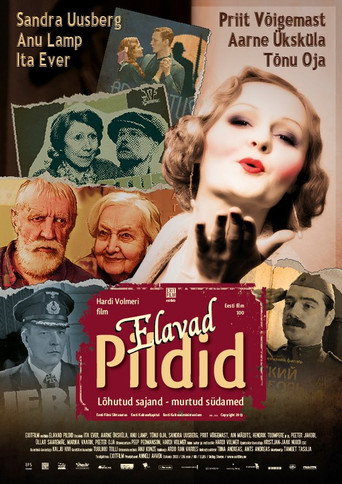
Living Images
The main character, Helmi, is born into the house of Baron von Strandmann in Old-Town Tallinn, in 1908. The only thing that she knows for sure about her past is that her mother was an Estonian servant girl. Everything else is a discovery during a life that runs the course of a century - a life that has quite a lot of surprises in store for Helmi. In this house she finds happiness and suffering, passion and disappointment. She grows up alongside young Erik and waits for her big love to blossom. But one floor down lives projectionist Julius - a man who is far from indifferent when it comes to Helmi. All of the biggest historical events of the century leave their mark on the house. Its hardwood floors have born soldiers' gruff boots and gentleman's shiny oxfords. Its walls have held the fates of people from far and near, foreigners and locals. Helmi's home becomes a German salon, a revolution museum, and a working class commune. And as freedom comes, real estate crooks start sniffing ...
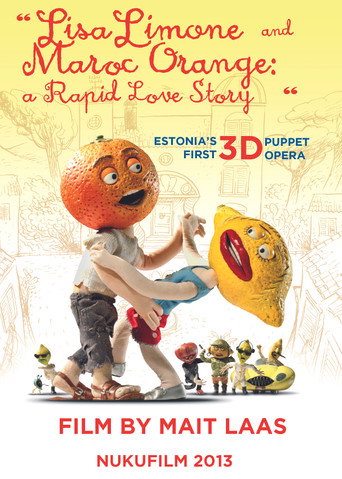
Lisa Limone and Maroc Orange: A Rapid Love Story
Love blossoms between Maroc, a singing boat refugee, and Lisa, a collector of singing seashells who dreams about love.
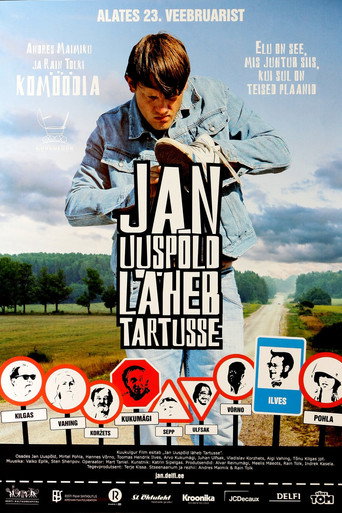
186 Kilometers
Jan Uuspõld is a talented actor who is not up to scratch due to his problems with alcohol. He makes up his mind to stop taking clownish roles and accepts a serious part in a play at Vanemuise theatre instead. His journey from Tallinn to Tartu becomes an unusual and in a way exaggerated voyage depicting the life and mentality of contemporary Estonia through various human natures, attitudes and ways of thinking.
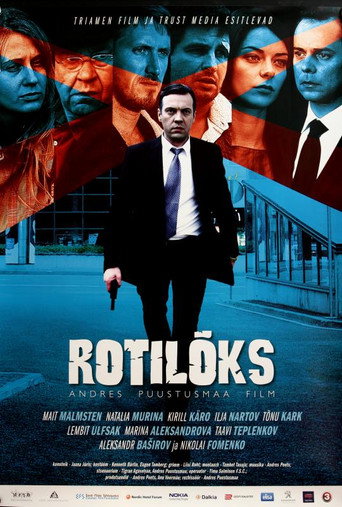
Rat Trap
During an election campaign, a large sum of money goes missing at an Estonian politician's home party. The story involves some party guests who have serious money problems and are trying to come to terms with past mistakes. However, the self-confident politician strangely does not turn to the police, but begins to demand his justice by force.
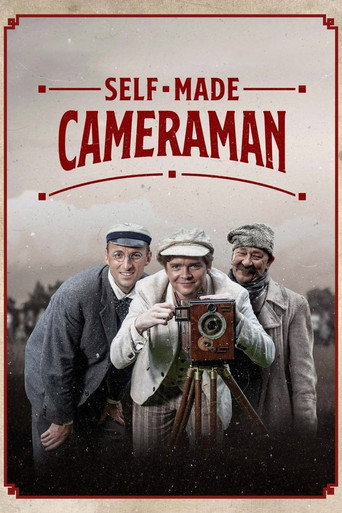
Self Made Cameraman
An adventurous tragedy about Estonia's first film maker Johannes Pääsuke and his aspirations to travel around with a film camera and find happiness. Together with a good friend, Volter, Pääsuke will spend an incredible week in Setomaa.
Production
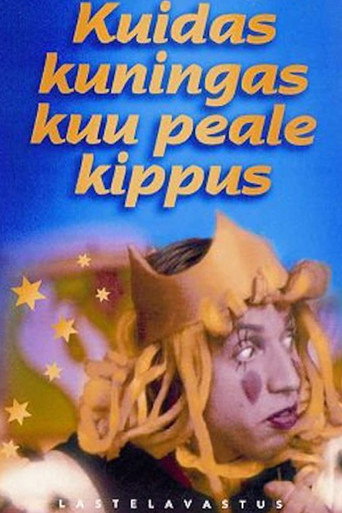
How the King Wished to Go to the Moon
A story about a king, who one day decides he needs to get to the moon, no matter what it takes.
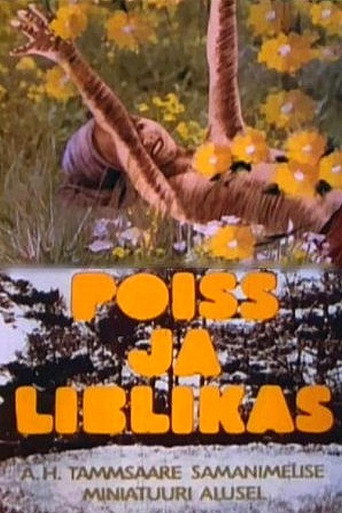
The Boy and the Butterfly
A film about a boy who loves flowers and butterflies, based on a short story by Anton Hansen Tammsaar. In his thoughtless pursuit of the butterfly, he shatters all the flowers in his path.
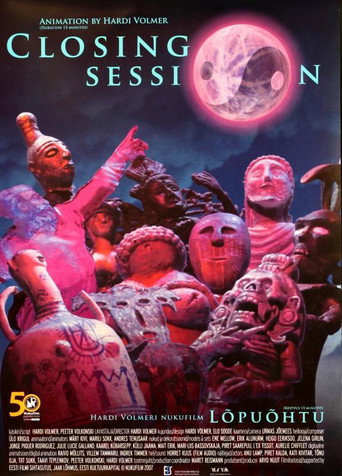
Closing Session
One night there gather weird figures to the Karahundzhi Palteau. They are the figures of God created by Man in different times and cultures - puppets. At the same time in some technical center they are printing out all letter combinations in all known languages. According to Tibetan monks this act - writing down all the names of God - will bring along the end of the universe. The Creator has decided to introduce the gods to each other before the great end.
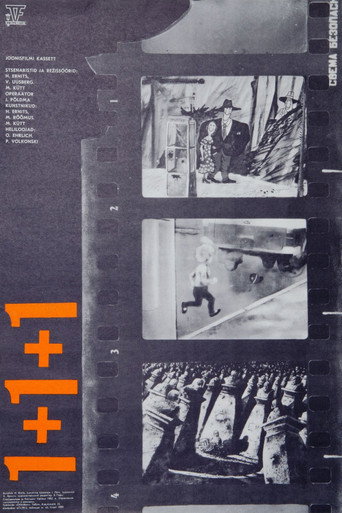
1+1+1
Heik Ernitsa's directorial debut "Encounter" is a humorous story about dreams and reality. "Street" by Valter Uusberg paints a nervous and gloomy picture of the artificial environment of the city. Mati Küti's satirical "Monument" dissects egocentrism in a grotesque tone.
Gallery