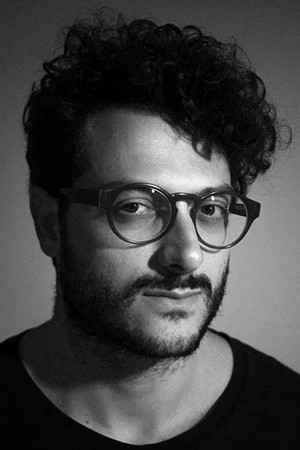
Pedro Urizzi Movies, TV Shows, and Filmography
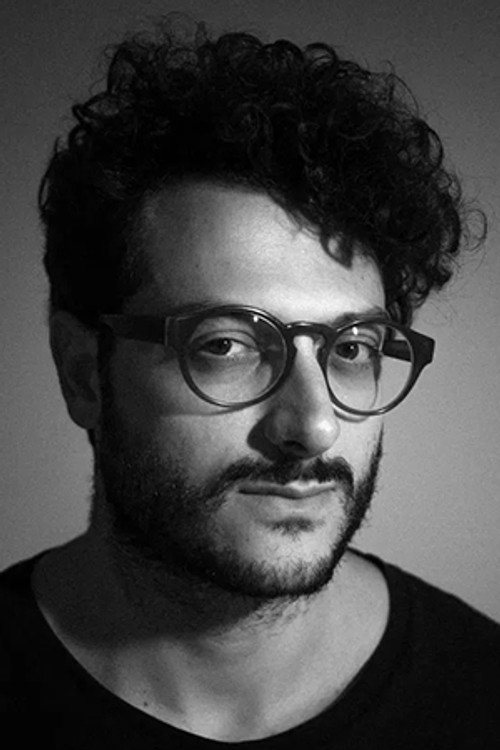
Pedro Urizzi
Acting
Biography
Pedro Urizzi (São Paulo, September 3, 1986) is a Brazilian director, screenwriter and documentary filmmaker. He has experience directing branded content and fashion films, as well as work that requires directing actors and fiction and documentary projects.
Filmography Movies
Acting
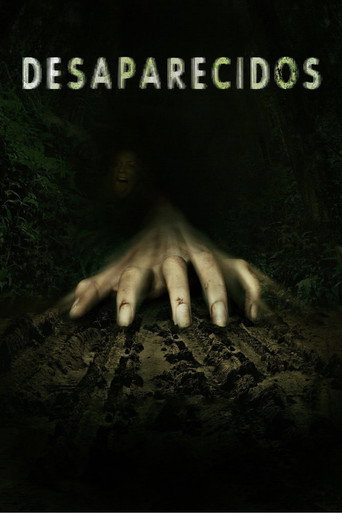
Missing
A VIP private party in a tropical island surrounded by rainforest. The invitation, a small video camera (flipcam) that you have to wear around your neck at all times. The cameras record randomly and you never know when they are on. Sounds like the best and sexiest party ever? It is until a group of friends disappears in the forest. After weeks their cameras are found, on them we discover what has happened, and why the authorities did not want these images to be revealed.
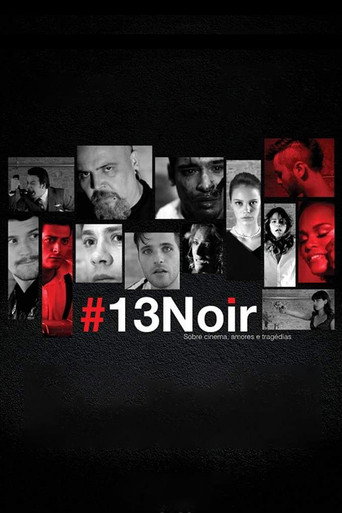
13Noir
A collection of 13 little stories. Black and white, with just instrumental music.

La Riña
In the underworld of the city of São Paulo, there is a real business that is making money for a lot of people: fights. The small wrestling clubs attract many rich men who want to bet their fortunes on illegal disputes between poor men, who have to fight to survive and earn a few bucks.
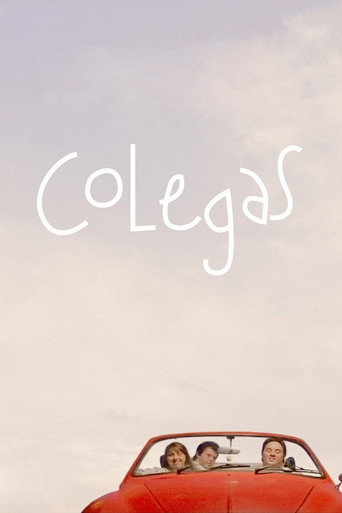
Buddies
A road movie that shows the simple things in life in a poetic light through the eyes of three young people with Down syndrome, who love movies and work at the video library of the institution where they have always lived in. One day, inspired by the movie "Thelma & Louise", they decide to run away using the gardener's old car to have a freedom experience. They travel to uncommon places in search for three simple wishes: Stalone wants to see the sea, Aninha looks for a husband and Marcio needs to fly. During this search, they embark on several adventures as if life was just a children's play
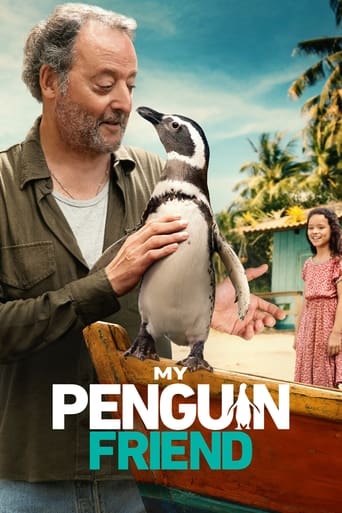
My Penguin Friend
A lost penguin rescued from an oil spill transforms the life of a heartbroken fisherman. They become unlikely friends, so bonded that even the vast ocean cannot divide them.
Production
13Noir
A collection of 13 little stories. Black and white, with just instrumental music.
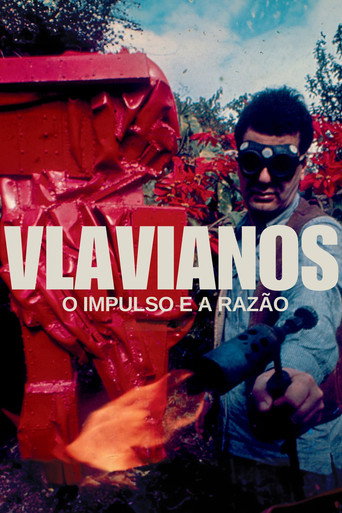
Vlavianos: Impulse and Reason
The documentary follows Nicolas Vlavianos (1929-2022), a renowned sculptor, in the final years of his life. It captures the moment — when he is around 90 years old — that he returns to an old drawer, tries to pick up his tools, and realizes he no longer has the strength to hold them. That simple gesture becomes the symbolic trigger: the end of his long creative cycle and the beginning of a farewell to his art. From there, the film documents the dismantling of Vlavianos’s studio and workspace, and the gradual process of his withdrawal from physical creation. It’s not just a retrospective of works: it’s a portrait of decline, memory, mortality, and legacy.
Vlavianos: Impulse and Reason
The documentary follows Nicolas Vlavianos (1929-2022), a renowned sculptor, in the final years of his life. It captures the moment — when he is around 90 years old — that he returns to an old drawer, tries to pick up his tools, and realizes he no longer has the strength to hold them. That simple gesture becomes the symbolic trigger: the end of his long creative cycle and the beginning of a farewell to his art. From there, the film documents the dismantling of Vlavianos’s studio and workspace, and the gradual process of his withdrawal from physical creation. It’s not just a retrospective of works: it’s a portrait of decline, memory, mortality, and legacy.
Vlavianos: Impulse and Reason
The documentary follows Nicolas Vlavianos (1929-2022), a renowned sculptor, in the final years of his life. It captures the moment — when he is around 90 years old — that he returns to an old drawer, tries to pick up his tools, and realizes he no longer has the strength to hold them. That simple gesture becomes the symbolic trigger: the end of his long creative cycle and the beginning of a farewell to his art. From there, the film documents the dismantling of Vlavianos’s studio and workspace, and the gradual process of his withdrawal from physical creation. It’s not just a retrospective of works: it’s a portrait of decline, memory, mortality, and legacy.
Vlavianos: Impulse and Reason
The documentary follows Nicolas Vlavianos (1929-2022), a renowned sculptor, in the final years of his life. It captures the moment — when he is around 90 years old — that he returns to an old drawer, tries to pick up his tools, and realizes he no longer has the strength to hold them. That simple gesture becomes the symbolic trigger: the end of his long creative cycle and the beginning of a farewell to his art. From there, the film documents the dismantling of Vlavianos’s studio and workspace, and the gradual process of his withdrawal from physical creation. It’s not just a retrospective of works: it’s a portrait of decline, memory, mortality, and legacy.
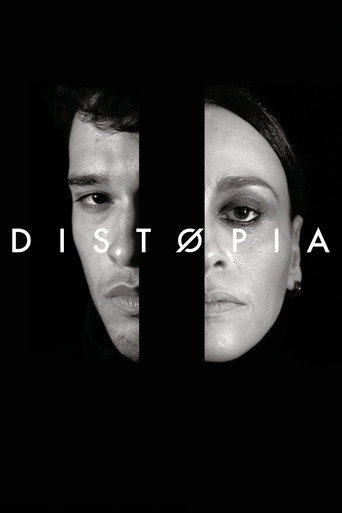
Dystopia
A political party takes over the power of a new World Order, and establishes Dystopia law, which condemns adulterous men to death row. Each case is sentenced by a body called the Antidote. The defendant is not entitled to a defense. There is only a taped statement minutes before each execution takes place.
Dystopia
A political party takes over the power of a new World Order, and establishes Dystopia law, which condemns adulterous men to death row. Each case is sentenced by a body called the Antidote. The defendant is not entitled to a defense. There is only a taped statement minutes before each execution takes place.
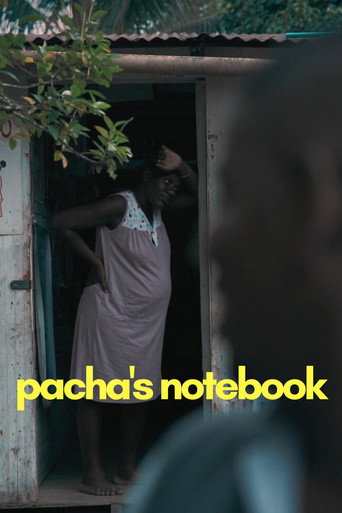
Pacha's Notebook
Pacha works as a midwife in a war zone in Colombia. The intimate portrait of her life and profession, is the jump off point for a larger portrayal of life lived despite insurmountable obstacles in a world ravaged by war.
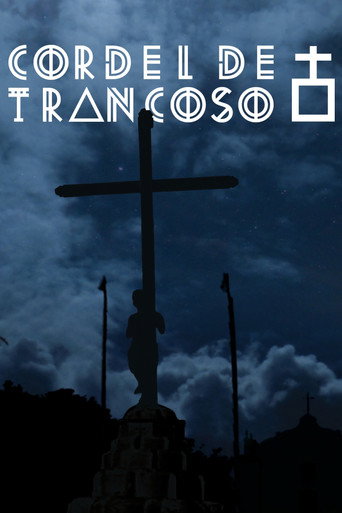
Tales of Trancoso
A historical paradise on the Bahia coast is transformed when hippies arrive in the 1970s. For 400 years, the village of Trancoso had protected its religious traditions and cultural habits, rooted in Jesuit foundations. With this sudden “discovery,” the once-isolated community began to attract travelers from around the world. The symbols and rituals of fishermen and farmers seemed destined to disappear. Yet something unexpected happened. The historic bubble burst, but the culture survived. Even while opening to the contemporary world, Trancoso preserved its centuries-old festivities blending Indigenous, African and Catholic-Portuguese origins. These celebrations and local stories form the narrative and poetic center of the film: resistance and coexistence shaping identity. The documentary invites us into the Feast of St. Sebastian, the heart of this transformation. “Cordel” becomes the key to unlock a hidden past — and to guard memories against the silent advance of modernity.
Tales of Trancoso
A historical paradise on the Bahia coast is transformed when hippies arrive in the 1970s. For 400 years, the village of Trancoso had protected its religious traditions and cultural habits, rooted in Jesuit foundations. With this sudden “discovery,” the once-isolated community began to attract travelers from around the world. The symbols and rituals of fishermen and farmers seemed destined to disappear. Yet something unexpected happened. The historic bubble burst, but the culture survived. Even while opening to the contemporary world, Trancoso preserved its centuries-old festivities blending Indigenous, African and Catholic-Portuguese origins. These celebrations and local stories form the narrative and poetic center of the film: resistance and coexistence shaping identity. The documentary invites us into the Feast of St. Sebastian, the heart of this transformation. “Cordel” becomes the key to unlock a hidden past — and to guard memories against the silent advance of modernity.
Gallery