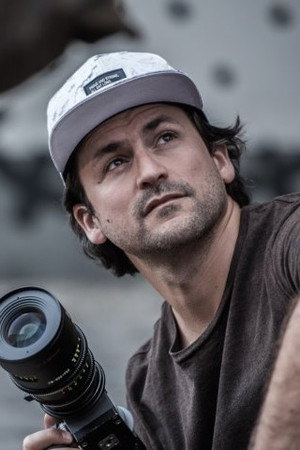
Pedro Luque Movies, TV Shows, and Filmography
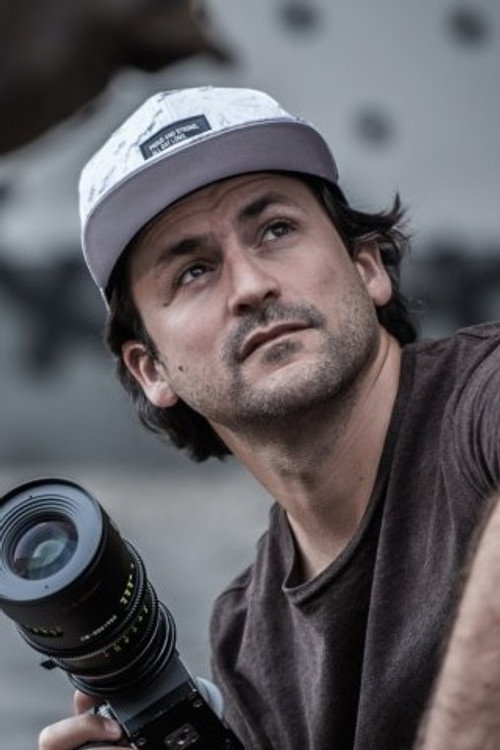
Pedro Luque
Camera
Biography
Pedro Luque, originally from Uruguay, made a grand entrance in 2016 as the cinematographer for the runaway horror hit Don't Breathe, directed by Fede Alvarez for Sony Pictures' Screen Gems. The film was nominated for a Critics' Choice Award for Best Sci-Fi Horror Movie. Upon its release, Peter Travers, writing for Rolling Stone magazine, noted Luque. "What makes this so memorably nerve-frying is the way Alvarez and cinematographer Pedro Luque use night-vision and every trick in the book and ones not invented yet to trap us in their vise." Luque went on to shoot the 2018 modern gothic psychological thriller movie Look Away, for director Assaf Bernstein (the critically-acclaimed director of Netflix's massive hit series, Fauda, 2015); the 2018 science fiction film Extinction for director Ben Young for Good Universe; the 2019 remake of the horror film Jacob's Ladder for director David Rosenthal; and the 2021 sequel Don't Breathe 2. Luque also served as DP on 2018's The Girl in the Spider's Web for Sony Pictures, starring Claire Foy, and on 2020's Antebellum for Lionsgate. Luque recently wrapped La Sociedad de la Nieve for Netflix. Based in Los Angeles, he lives with his wife and two kids and speaks both English and Spanish fluently.
Filmography Movies
Acting

Panic Attack!
Giant robots appear out of the mist and attack the city of Montevideo, Uruguay.
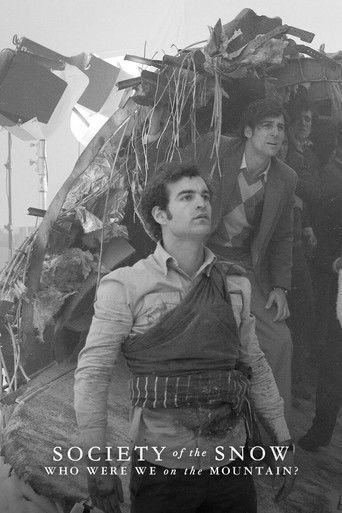
Society of the Snow: Who Were We on the Mountain?
An in-depth look at the creative process behind "Society of the Snow," featuring cast, crew, director J.A. Bayona and even real-life survivors.
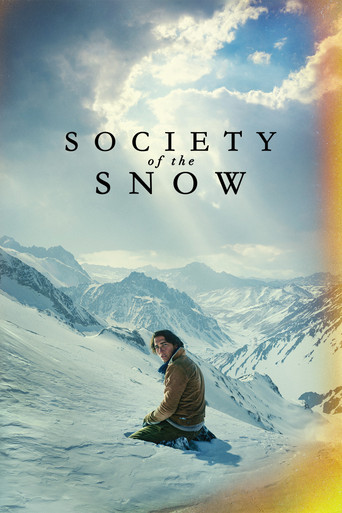
Society of the Snow
On October 13, 1972, Uruguayan Air Force Flight 571, chartered to take a rugby team to Chile, crashes into a glacier in the heart of the Andes.
Production
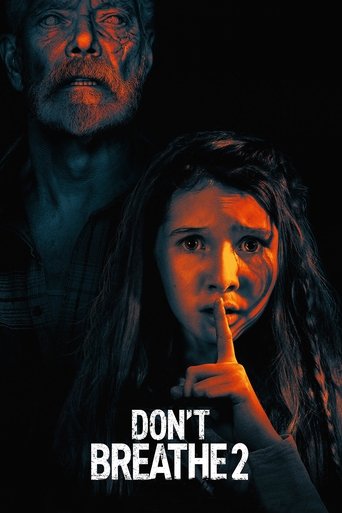
Don't Breathe 2
The Blind Man has been hiding out for several years in an isolated cabin and has taken in and raised a young girl orphaned from a devastating house fire. Their quiet life together is shattered when a group of criminals kidnap the girl, forcing the Blind Man to leave his safe haven to save her.
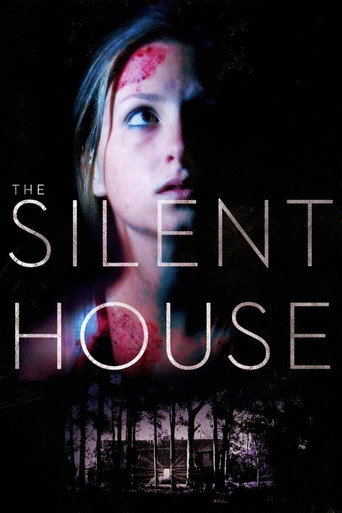
The Silent House
Laura and her father Wilson arrive at a cottage off the beaten path in order to repair it since its owner will soon put the house on sale. They will spend the night there in order to start the repairs the following morning. Everything seems to go on smoothly until Laura hears a sound that comes from outside and gets louder and louder in the upper floor of the house. Wilson goes up to see what is going on while she remains downstairs on her own waiting for her father to come down. The plot is based on a true story that occurred in the 1940s in a small village in Uruguay. La casa muda focuses on the last seventy eight minutes, second by second, as Laura tries to leave the house unharmed and discovers the dark secret it hides.
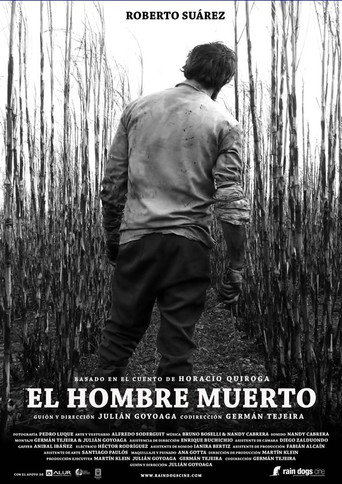
The Dead Man
A rural worker suffers an accident and understands that in a few minutes he is going to die. In absolute solitude and surrounded by a natural environment indifferent to his tragedy, he will face, without drama, the fact that these are his last minutes of life and nothing he can do to modify that destiny. Based on a story by Horacio Quiroga.
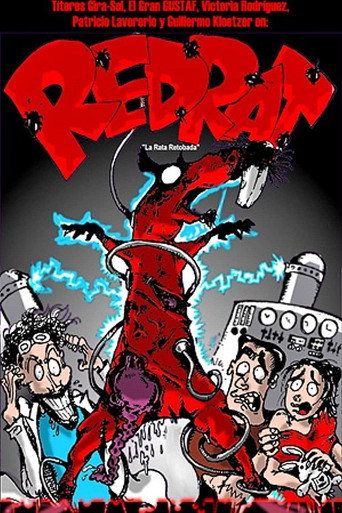
Redrat: The Rebellious Rodent
A laboratory rat which was sacrificed with scientific purposes comes back to life. The rodent claims for revenge but in its search for the culprits, it is manipulated by the members of a love triangle to solve their problems.
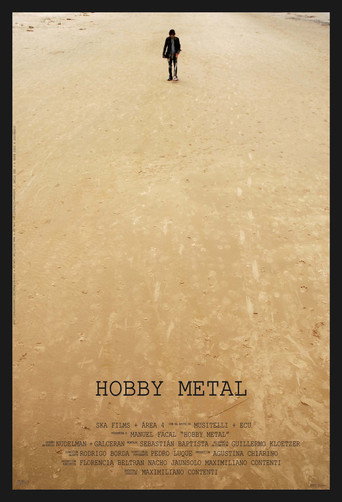
Hobby Metal
A strange character looks for metals at the beach.

Sea Males
An exploration of the passionate dramas experienced by people who spend too much time lying at the beach.
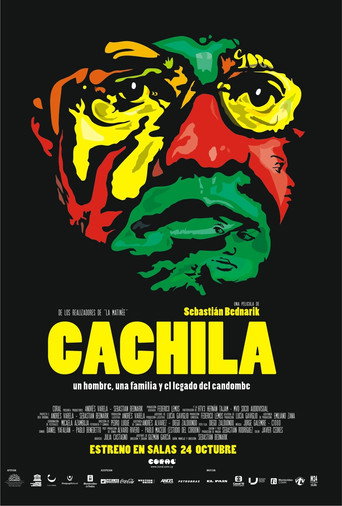
Cachila
The Silva family is pioneer and a role model within the community; it shows values and the goal to not let the candombe tradition fade away. Not only do they have an internal hierarchy, but also in his neighbourhood, Waldemar “Cachila” Silva is a respected leader. Cachila decide to pass on his legacy to his sons Matias and Wellington, who should now lead the family business, afro descendants playing candombe, a drum rhythm for the carnival contest and keep the privilege place obtained by the family. Patriarchy, hierarchy and cultural traditions are the concepts that drive this documentary about the life of a man of African descent and a dysfunctional family trying to perpetuate its power, which is crucial for the future of a culture.
Cachila
The Silva family is pioneer and a role model within the community; it shows values and the goal to not let the candombe tradition fade away. Not only do they have an internal hierarchy, but also in his neighbourhood, Waldemar “Cachila” Silva is a respected leader. Cachila decide to pass on his legacy to his sons Matias and Wellington, who should now lead the family business, afro descendants playing candombe, a drum rhythm for the carnival contest and keep the privilege place obtained by the family. Patriarchy, hierarchy and cultural traditions are the concepts that drive this documentary about the life of a man of African descent and a dysfunctional family trying to perpetuate its power, which is crucial for the future of a culture.
Two Hitlers
One is a former police officer, bodyguard and hairdresser. Currently retired, he takes care of his extravagant and almost hundred-year-old illiterate mother. He writes poems and hopes to see them published one day. The other, a declared womanizer, workaholic, and leftist, was imprisoned during the dictatorship, runs a small grocery shop, and controls the life of his young second wife. Both were born in the Uruguayan hinterland during the Second World War, and share the same name as well as the fact that neither has wished to change it. The film is a tragicomic portrait of a country whose cultural diversity, its peculiar history and the character of its inhabitants allow the existence of exceptional and remarkable persons that depict a live picture of Uruguay, with its plurality and contradictions, its small and large history, without departing a single moment from irony or reflection.
Two Hitlers
One is a former police officer, bodyguard and hairdresser. Currently retired, he takes care of his extravagant and almost hundred-year-old illiterate mother. He writes poems and hopes to see them published one day. The other, a declared womanizer, workaholic, and leftist, was imprisoned during the dictatorship, runs a small grocery shop, and controls the life of his young second wife. Both were born in the Uruguayan hinterland during the Second World War, and share the same name as well as the fact that neither has wished to change it. The film is a tragicomic portrait of a country whose cultural diversity, its peculiar history and the character of its inhabitants allow the existence of exceptional and remarkable persons that depict a live picture of Uruguay, with its plurality and contradictions, its small and large history, without departing a single moment from irony or reflection.
Gallery