Camera
No biography available.
Documentary about the great Brazilian photographers who helped develop Brazilian cinema and their opinions on their work, making movies in Brazil and in general, and other subjects. As a bonus, they all agreed to shoot the same scene following their individual concepts, and the result is shown for comparison.
About the life and adventures of a gang of abandoned street kids known as "Capitães da Areia" (Captains of the Sands), in Salvador, Bahia, during the 1950s.
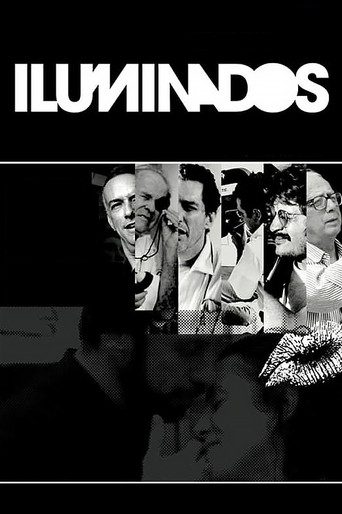
Through conversations held with fifty four of the most distinguished cinematographers working in Brazil and abroad over the last forty years, the documentary explores the working environment, the new tools and the different styles of the professional who controls the light and the shades behind the camera.
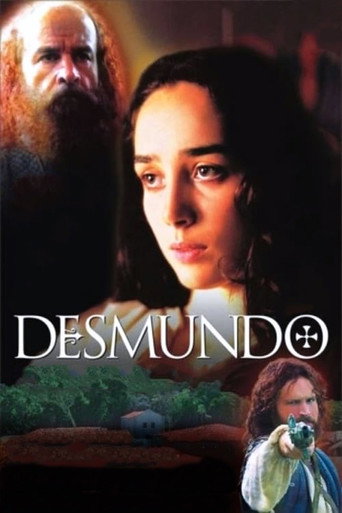
The story of Orisbela, a young and religious woman who comes from Portugal to Brazil to marry Francisco de Albuquerque, a rude sugar-cane plantation owner, in 1570.
The disorderly growth of large urban centers in the country and the discussion about the development and existence of cultural spaces. Based on the example of the Teatro de Ópera in Campinas, a building that managed to consolidate construction and space for the existence of a square, theater and architecture are discussed, pointing out the future coexistence between men and cities. Using models, the film presents a new urban concept of the square, as a point of bringing people together for an encounter with cultural things, combining gardens, concert halls, compilation rooms and libraries. A theatrical rehearsal, held in an unfinished theater in Campinas / SP, designed by the architect Fábio Penteado.
The torrid love affair between a 40-year-old man who lives isolated from the world, in his small farm nearby São Paulo and a politically engaged 30-year-old journalist. One morning, after a night of wild lovemaking, he notices a hole made by sauba ants in his fence. This simple fact raises accusations and discord between the two lovers.
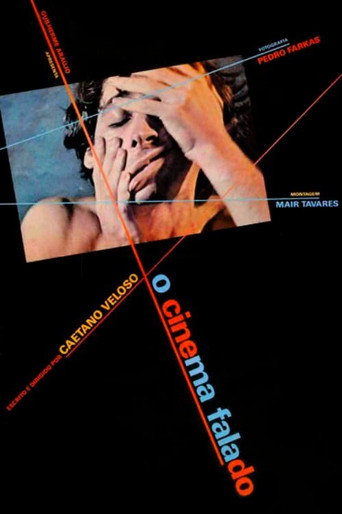
A fragmented style, patchwork of interviews with Caetano Veloso's friends, mixed with conversations, thoughts, scenes of dance and literature excerpts.
"Portraits and excerpts from Brazilian films from all times. Actors, directors and images that affirm cinema."
Photographs present Hermeto Paschoal in the middle of the instruments he plays in the studio in his house. The rehearsals where the sounds are discovered and improvisation sets the tone. Hermeto's testimonies on the self-taught construction of his theoretical knowledge about music and his political position on the market. The musicians who are part of his band talk about the joint process of creation and the admiration they feel for the multi-instrumentalist. The creation of Hermetus from the sounds of bees and next to the frods. The use of unusual objects made of iron and the use of the body itself to generate new sounds.
A "queixada" is a small animal that when it feels threatened unites to face the enemy. This nickname was given to the workers of Perus cement company, located in São Paulo in the neighborhood of the same name, when, in 1962, they organized a strike for wage arrears and lack of working conditions. The documentary is a dramatized reconstruction made 16 years later by the workers. (1978 - SP)