Sound
No biography available.
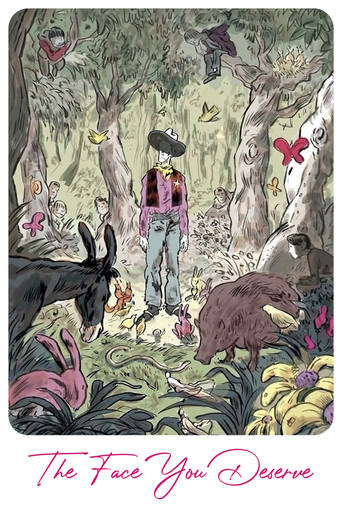
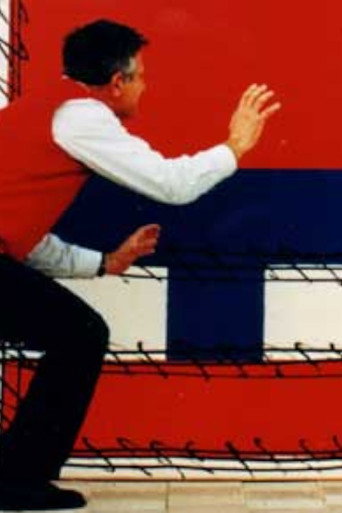
Francisco, behave! I Know it's your birthday, you are thirty now, it's carnival, you've dressed as a cowboy for the school party and you are surrounded by kids you hate. But that's no reason to be so annoying... Francisco, repeat after me: "Up to your 30s you have the face God has given you. After that, you get the face you deserve".
Scheherazade narrates three more tales, supposedly selected from the 470th, 484th and 497th nights of her ordeal: “It hath reached me, O auspicious King, that a Judge will cry instead of giving out her sentence. A runaway murderer will wander through the land for over forty days and will teletransport himself to escape the Guard while dreaming of prostitutes and partridges. A wounded cow will reminisce about a thousand-year-old olive tree while saying what she must say, which will sound none less than sad!
Summer of 1982, a beach in the south of Portugal. Rui and his parents live closed in their worlds, blind to the failure that characterizes them as a family and condemns them to the malaise of survival. Rui will have school exams but he is only interested in music and in the exploration of imaginary worlds that he constantly sketches in drawings. Only Joana seems capable of pulling him out of his autism. The girl's vitality fascinates him.
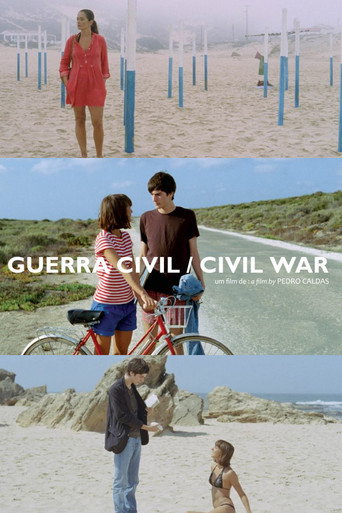
Summer of 1964. The professor Carlos and the couple Dário and Alda spend time together in the beach during vacations. Away from the colonial war, everything seems lost in time.
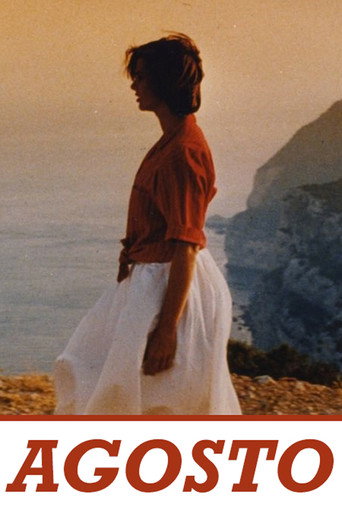
On an isolated Portuguese island, a nameless man makes a mental journey which brings him into contact with the strange and menacing world without peace and harmony.
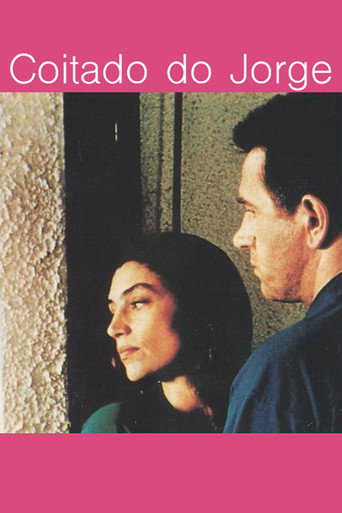
One night Jorge will meet with a Japanese industrialist, who will allow him to abandon his teaching position and resume his chemical work. However, when he gets home he finds a person there.
Joaquim Bravo (Évora, 1935 - Lisbon, 1990) exhibited for the first time in 1964, inaugurating what would become one of the most decisive Portuguese galleries, the 111 in Campo Grande. Its doctrinal influence and its enormous capacity for enthusiasm would mark in the early sixties Évora's group of painters (Lapa, Palolo) and, in the 80's, artists such as Xana and Cabrita Reis. At his death, a moving tribute was paid to him by a huge and varied group of artists ranging from João Vieira to Miranda Justo. His work is scattered in a large number of private and institutional collections.
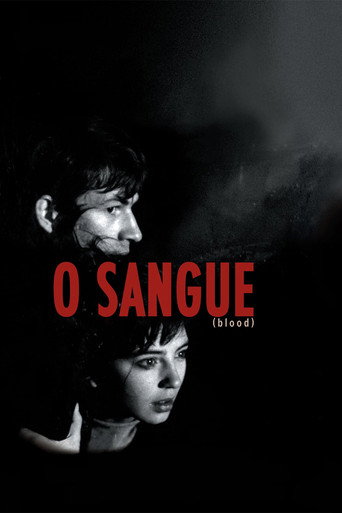
Nino, tough but sickly, and his older brother Vicente live in the country with their father. After their father disappears ― we’re never sure why ― murder is suggested. Vicente brings his girlfriend to the house, and a different kind of family is established as the three youngsters grow fiercely protective of each other. But their uncle grows suspicious about the fate of the missing father and forcibly kidnaps Nino, taking him away to the city and leaving Vicente to locate him there.
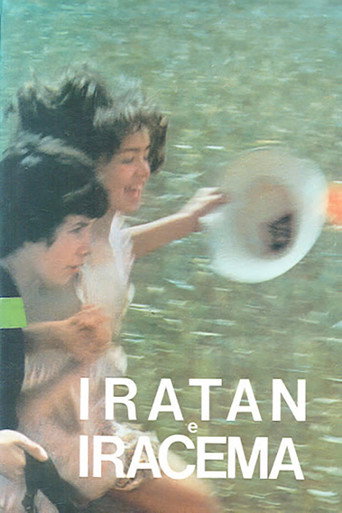
The adventures of a couple of unruly siblings who, one fine day, decide to go out of their way to school and get involved in fanciful adventures in extraordinary worlds based on traditional Portuguese fables that evoke, for their strangeness and surrealism, Lewis Carrol's Alice in Wonderland.
A short time has passed. Both arrived to a point of no return, a break is the only way out. One of them has to take the first step. This morning both decide to leave, definitely, without the other realizing it. The house remains empty.