Acting
No biography available.
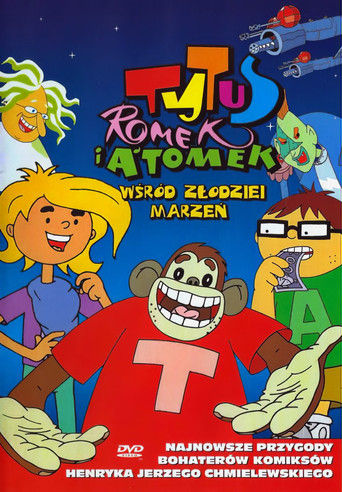
On the planet Transformation, the cruel Prince Saligia steals people’s dreams and turns them into advertisements. When the fame of Tytus reaches him, Saligia lures Tytus and his old friends A’Tomek and Romek to his world, where the friends are captured by the prince’s soldiers and only Tytus’s wits stand between them and despair.
Łukasz, an unemployed geography graduate, is wrongfully arrested for robbery. His alibi is weak, and he is identified during a lineup. The situation gets hopeless when, a few hours later, the alleged victim suddenly dies. The defense lawyer promises to do everything in his power, but Łukasz ends up in custody. He must find his place in a world of harsh prison rules. He chooses the cell of the “grypsujący” (inmates who communicate by coded messages)…
Ditto is an idealist. He does not, unlike Lina, his life companion, attach importance to the things around him. Lina, on the other hand, is captivated by objects and all her attention is focused on collecting them. One day all things revolt against Ditto. The objects complain to Lina that it is Ditto who mistreats them and Lina believes the objects. Ditto decides to turn himself into a thing to show Lina their true nature. However, the things are not malicious towards Lina. After a while, Ditto begins to understand that he has lost the war with things.
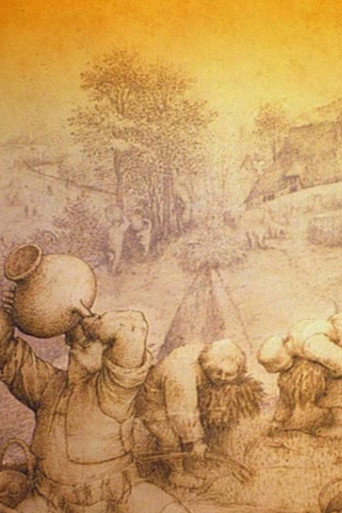
The protagonists of the film are three brothers: Eino, Aho and Laje. The brothers live from the cultivation of the family land. Eino works from dawn to night. Aho likes to spend time playing at a nearby inn. Laje once helps Eino, and once accompanies Aho. Once Aho gets cheated by playing dice and losing his family land. The brothers set off in search of a job. They reach a road fork. Eino wants to go left, Aho to the right, and Laje agrees once with one, once with the other brother. The brothers, unable to convince each other for their reasons, start a great quarrel.
A brave film about what is being talked about so much - the folders and their surprising impact on our daily lives. What were they all for? What did who do, what did they eat, what did they read, who did they meet with. Under the directive "you don't know what you might find useful," everything was of interest to the officers of the former political police. Thousands of files filled the vast basements of their headquarters. Twenty years have passed, the files have yellowed, their heroes have taken important positions in the new Poland. A new generation is entering adult life. Preoccupied with their affairs, they are making their first decisions in life. And the files are just waiting for someone to make use of them.
Roberto is a young Cuban who is visiting Poland. And times are not merry - the Cuban conflict is about to begin. His stay is not successful, so Roberto returns to his country.
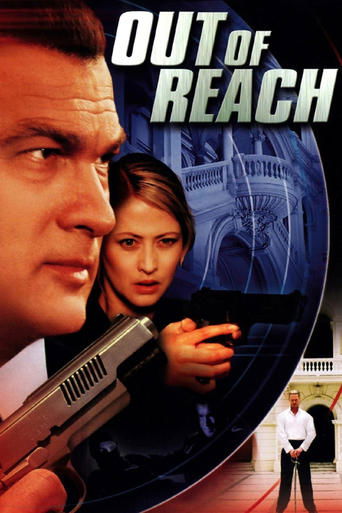
Vietnam veteran Billy Ray Lancing, a former CSA agent who now works on a wildlife refuge in Northern Alaska, has been exchanging letters in a pen-pal relationship with Irina Morawska, a 13-year-old orphaned girl in Poland that he's helping out financially. When the letters suddenly stop coming, Billy heads to Poland to figure out why -- only to discover that the orphanage that Irina was staying in, which is financed by honest -- and unsuspecting -- good-intentioned Samaritans, is a cover for a human trafficking network.
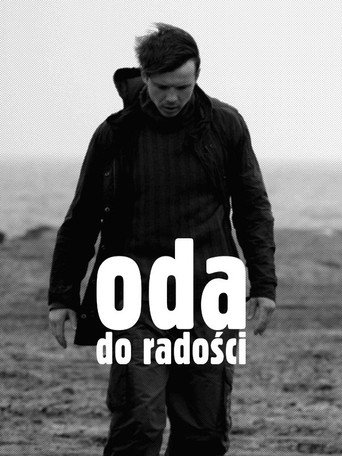
The writer Zbigniew takes part in a psychotherapeutic session, during which he tells his story.
Three stories of young disillusioned Poles of different background and region of origin. What binds them together is that they all meet on the bus to London shortly after Poland's entry into EU.
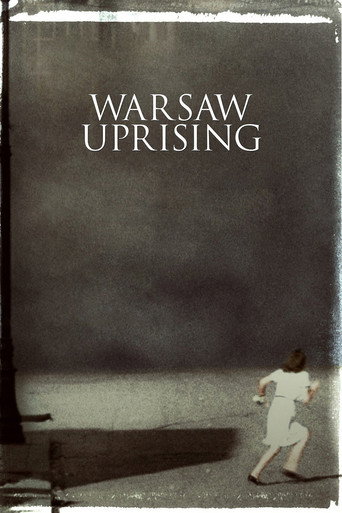
It tells the story of the Warsaw Uprising of 1944 through the eyes of a US airman, escaper from the Nazi Stalag camp and two young reporters, cameramen for the Bureau of Information and Propaganda of the Polish Home Army. Their mission: documenting the Uprising by shooting newsreels for the “Palladium” cinema. Looking for the right shots, they go deeper and deeper – literally and figuratively – into the heart of the Uprising. Traumatic truth becomes obvious. Aware of being witnesses of indescribable events, they realize their duties: to document them and preserve the rolls of film at any cost…