Paweł Nowisz Movies, TV Shows, and Filmography
Paweł Nowisz
Acting
Biography
No biography available.
Filmography Movies
Acting
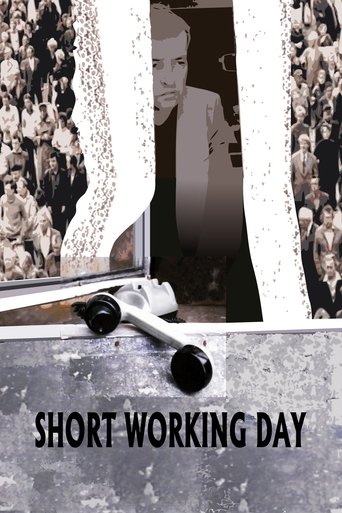
Short Working Day
A dramatisation of the workers' protests in June 1976 in Radom, seen from the perspective of the local Secretary of the Polish United Workers' Party.
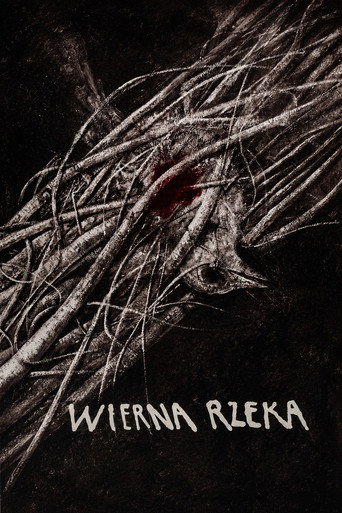
The Faithful River
Set during the insurgency of 1863, the story focuses on a tragic romance between a poor gentlewoman and a rebel noble. After a bloody battle a unit of insurgents have been wiped out and only one survived, but badly wounded. He eventually finds shelter and care from a landsteward's daughter, hiding in a burned-out manor with an old servant.

The End of the World, or Egg Nogg 4
Agnieszka and Marcin's love is blooming, just like Kasia and professor Wolanski. Grandma Solska only dreams of the wedding of her only grandchild - However, his former lover, Bozenka, stands in the way of the happiness of young Zawada. Mrs. Wolanska decides to radically change her life and disappears in mysterious circumstances. Peace of Piotr and Marlenka is disturbed by the unexpected visit of his mother from overseas – And some very compromising photos trigger an avalanche of events. The real end of the world is underway.
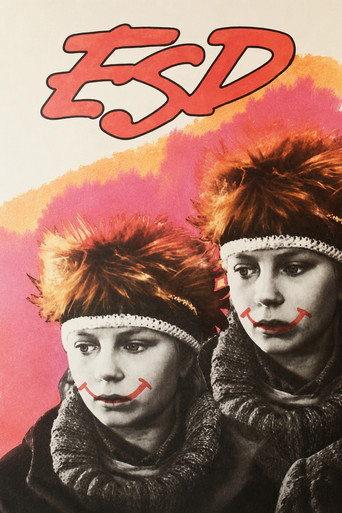
ESD
The Borejko family has four daughters — Gabriela, Ida, Natalia and Patricia. Most concern causes the red-haired Ida, whose unusual ideas often end badly, though the girl has the best intentions. Her father, who works at the university as a classical philologist, gives her the idea to found a group called ESD. They want to try out the theory that you are more successful if you send out more positive signals to the environment. Soon this theory will be put to the test. Ida's mother has to go to the hospital and the entire burden of household chores falls on the children.
Wyłap
A young PhD student is trying to get 34 dogs for his research.
Remis
The story of a sold football match and a conflict between a father - a football referee and his son.
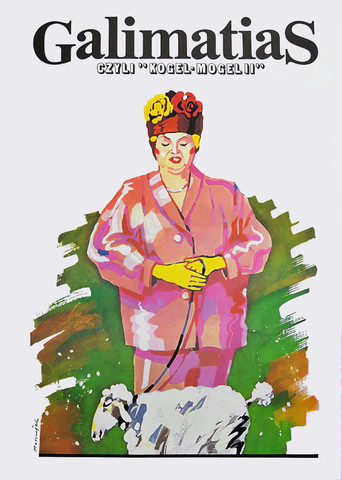
Topsy Turvy, or Egg Nogg 2
Kasia and Pawel, having got married, live in the village of Brzozki, 10 kilometres from Grabow. Kasia wants to return to her pedagogical studies, so she does not want to have children yet. Pawel announces that he wants to break away from the traditional village farm and focus on specialised sheep breeding, which causes a family argument. Kasia's parents anxiously await the birth of their grandchildren. Things get even more complicated when the Wolanskis arrive in Grabow. They offer to help Kasia go back to university, but in return Kasia has to look after little Piotr as the docent is leaving for London where he has received a month-long study grant.
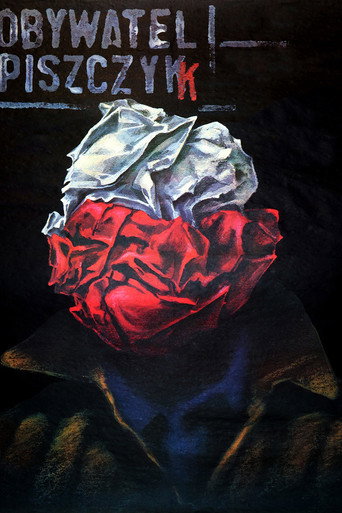
Citizen Piszczyk
This film is a sequel to Munk's Zezowate Szczescie and it's much the same, only more so. The film begins in a cinema, where the last scenes of Zezowate Szczescie are being shown. Born unlucky, a victim of the errors and distortions of Stalinism, he is released in 1956. He meets a politically feverish woman, her influential parents, and finally becomes the father of her child. But bad luck, or perhaps an unlucky era, will not let him forget.
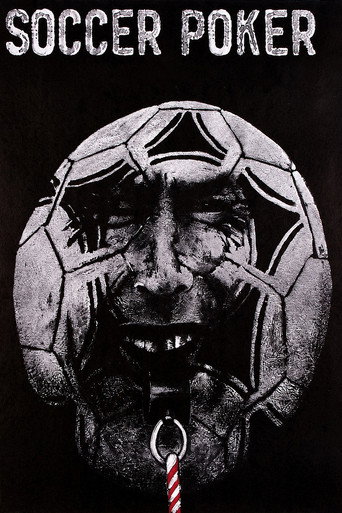
Soccer Poker
Laguna was once a great soccer player whose career was interrupted by an injury. He spent years climbing the ranks to become an international referee. He sees the prevailing arrangements, manipulations, and bribery around him. Now desperate, he decides to stage an extraordinary culmination of his career: he wants to create a so-called "miracle Sunday" by "printing" the final round of games - taking substantial bribes from the interested clubs and manipulating the matches so that the results align in the order he set up.
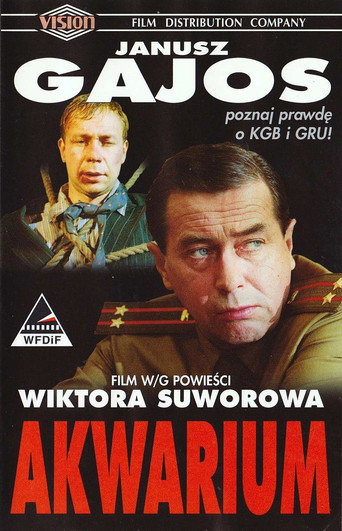
Aquarium
Film based on the book of Viktor Suvorov, a former Soviet military intelligence officer. The story of the strange friendship between the two GRU officers. That relationship began in the Soviet military range where daring young officer Witek action drew the attention of Colonel Kravcov. With the protection of Colonel Witek gets to the interview. Price to be paid for this "favor" is the total loyalty to his patron.
Gallery