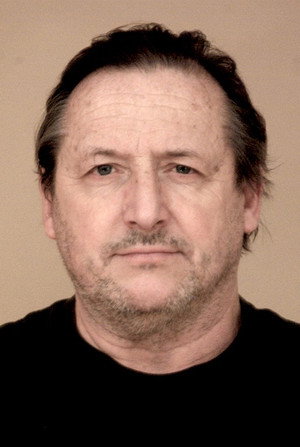
Pavel Vokoun Movies, TV Shows, and Filmography
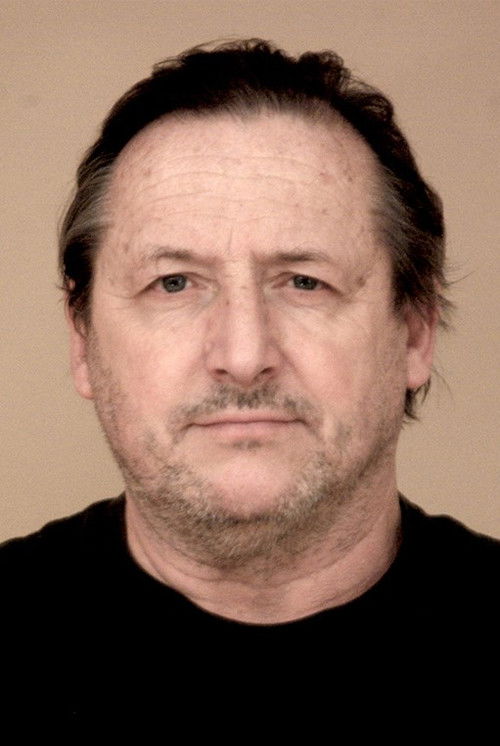
Pavel Vokoun
Acting
Biography
No biography available.
Filmography Movies
Acting
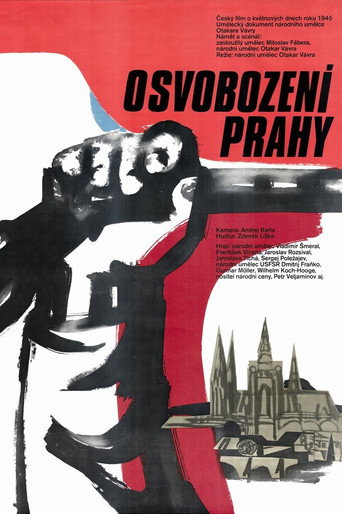
The Liberation of Prague
On 20th of April 1945 the Soviet army launches its attack on Berlin. The end has come for Nazi Germany and Hitler decides to commit suicide. In Prague K.H. Frank (Nazi Secretary of State and Chief of police in the Protectorate of Bohemia a Moravia) discusses with his commanders how to transform the city into an impregnable fortress, but the Praguers do not intend to wait any longer. From the early hours of 4th of May people start assembling in the streets and tearing down German signs. On the next day, the 5th of May, the uprising begins.
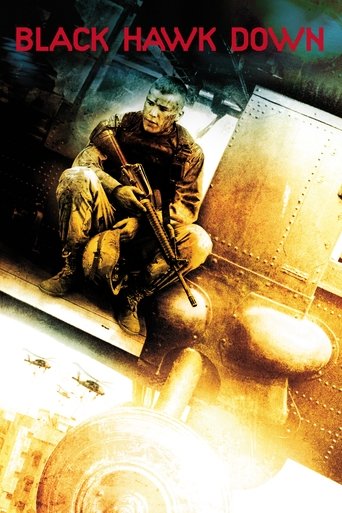
Black Hawk Down
When U.S. Rangers and an elite Delta Force team attempt to kidnap two underlings of a Somali warlord, their Black Hawk helicopters are shot down, and the Americans suffer heavy casualties, facing intense fighting from the militia on the ground.
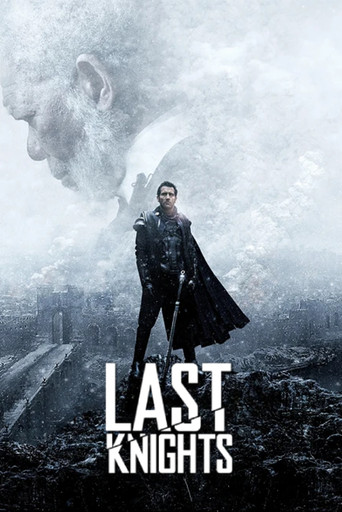
Last Knights
When an evil emperor executes their leader, his band of knights – bound by duty and honour – embarks on a journey of vengeance that will not come to an end until they've destroyed their mortal foe.
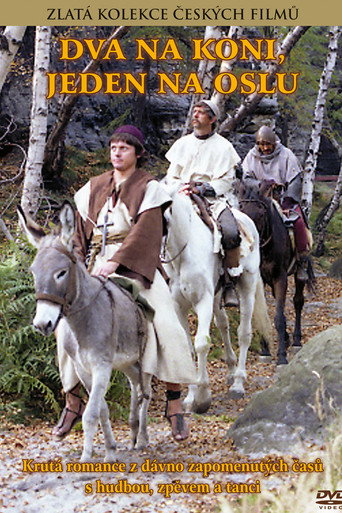
Dva na koni, jeden na oslu
The musical version of the successful play of Oldřich Daněk was transferred to the screen by director Jiří Sequens in 1986. It takes place in the 14th century in Bohemia during the reign of King Wenceslas IV. Heroes of the story are three mercenaries who always fight on the wrong side and are always beaten, but they are moral winners of all conflicts and skirmishes.
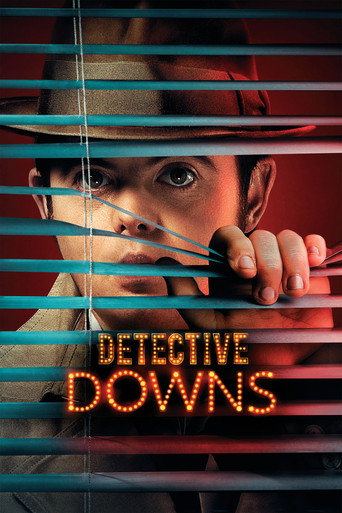
Detective Downs
Detective Robert has his own office, a trench coat, a Bogart hat and Downs syndrome. The only thing he is missing is a case. Then a lady comes to his rescue.
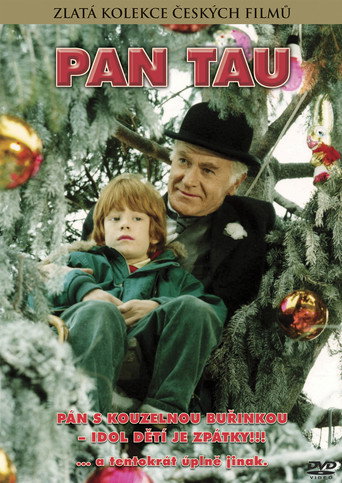
Pan Tau – der Film
Pan Tau, the friend of all children, now also helps the adults. A movie producer is in trouble and decides to shoot another Pan-Tau movie. But the old Pan-Tau actor Karasek is no longer young enough to walk the almost weightless walk of Pan Tau. Mr. Novak turns up - he resembles Pan Tau like a twin brother. He succeeds every pirouette. And as if by magic, he solves all the problems between people! Who is Mr. Novak? Is he really ...?
Pravidla kruhu
In the second half of the 1980s, so-called critical films began to emerge, but they were afraid to make a sharper statement, moving on the basis of an engaged morality that wanted to improve the existing conditions cosmetically at best. The theme of the search for a new anchor in life becomes a central element: the protagonist, after returning from the war, does not want to devote himself to the constraints of elite sports, he rejects the dubious business of a friend. Most of all, he would be attracted to a perfectly ordinary job in a bakery. The dance clip inserts, however, make it difficult to navigate the already rather confusing narrative.
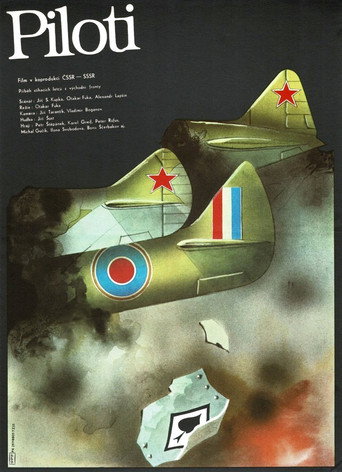
Piloti
Further east of the Dark Blue Sky, where the Heavenly Horsemen fought, the story of a Czechoslovakian fighter squadron takes place, to which Second Lieutenant Jandak arrives as a rookie. He then experiences both his first love and a battle high above the clouds in the collective of combat pilots. Combat pilots on the Eastern Front thus experience similar stories to their Western colleagues, with the same goals and plans and the same slim prospects of survival in their daily life-and-death battles. Not surprisingly, they fought at a time when they had a common enemy, characterised by the Messerschmitt aircraft.
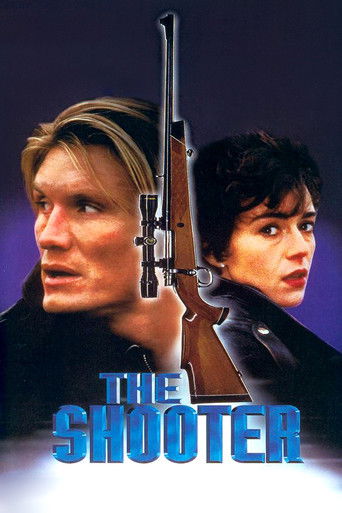
The Shooter
A CIA agent gets caught up in political intrigue after he gets brought in to solve the murder of a Cuban ambassador.
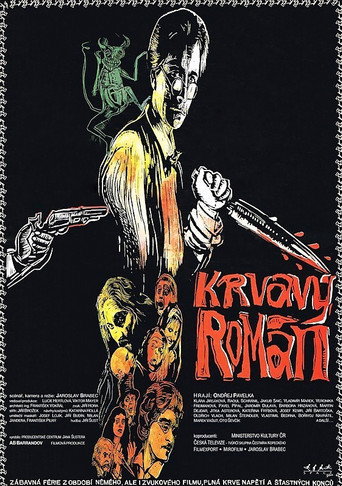
Horror Story
The distinctive artist, typographer, and writer Josef Váchal is known to the public primarily for his Blood Novel. The surrealistic exuberance of this defense of 19th-century pulp fiction caught the attention of Jaroslav Brabec and his colleagues, who found a corresponding image of 20th-century "trash." The authors' interest focuses primarily on the silent film era, with a journey through the history of cinema continuing through the advent of sound film to the present day (auteur cinema of the 1960s, modern horror), formally employing techniques such as tinted film. The versatile parody intertwines a colorful plot with the story of the author (Váchal/Paseky), who comments on and creates his book, and is further split in the plot into the characters of Fragonard and the Master. As with Váchal, reality increasingly enters the fiction, so that the only "happy ending" turns out to be the artist's finished work.
Production
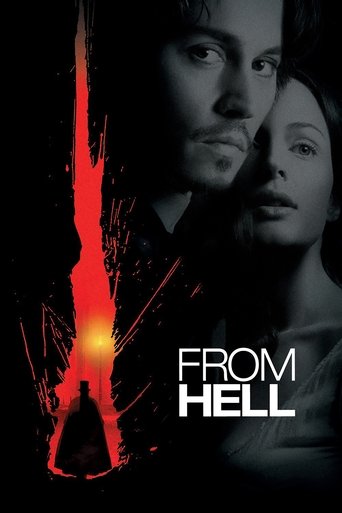
From Hell
Frederick Abberline is an opium-huffing inspector from Scotland Yard who falls for one of Jack the Ripper's prostitute targets in this Hughes brothers adaption of a graphic novel that posits the Ripper's true identity.
Hostel
Three backpackers head to a Slovakian city that promises to meet their hedonistic expectations, with no idea of the hell that awaits them.
Saving Private Ryan
As U.S. troops storm the beaches of Normandy, three brothers lie dead on the battlefield, with a fourth trapped behind enemy lines. Ranger captain John Miller and seven men are tasked with penetrating German-held territory and bringing the boy home.
Hostel: Part II
Three American college students studying abroad are lured to a Slovakian hostel, and discover the grim reality behind it.
Gladiator
After the death of Emperor Marcus Aurelius, his devious son takes power and demotes Maximus, one of Rome's most capable generals who Marcus preferred. Eventually, Maximus is forced to become a gladiator and battle to the death against other men for the amusement of paying audiences.
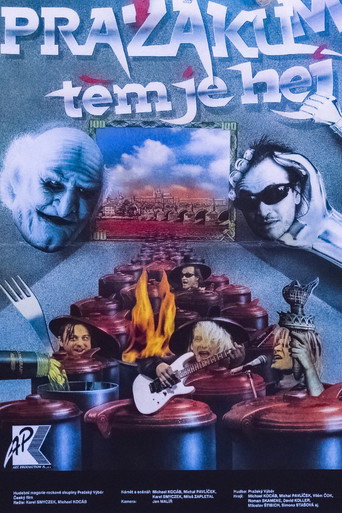
Pražákům, těm je hej
The story begins in 1984 in Prague, Czechoslovakia, few years before the end of Communist era. The band Pražský výběr (Prague's selection) has just received the news thier 5-year ban has expired and they are alowed to perform once again. This half fantasy half document about the band would draw the atmosphere of middle european late Communist era and the eufory of it's end.
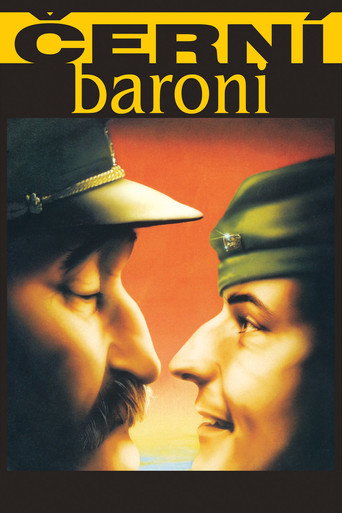
Black Barons
Life of Czechoslovak soldiers in a military unit for the so called "politically unreliable" - the Technical auxiliary battalions, aka "the black barons". Although it might seem like a political satire and it's mostly funny, it shows the reality and the absurdity of military service under the communist regime. Based on a novel by Miloslav Svandrlik.
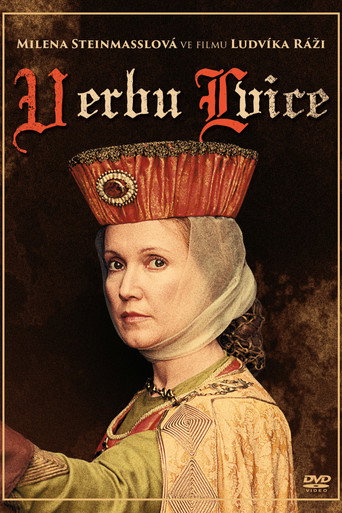
V erbu lvice
The life story of Blessed Zdislava of Lemberk, about whom legends rather than sparse historical references tell us that she was a deeply religious woman with healing powers who devoted herself entirely to the humble service of her sick and suffering neighbors.
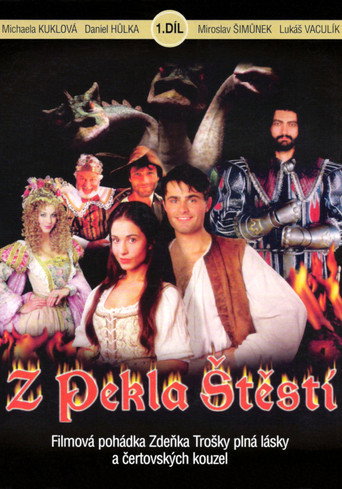
Helluva Good Luck
Dora, a lazy and evil woman, is in love with her servant, Hannes. Hannes, however, loves her sister-in-law, Margareta. When Dora learns about this, she vows revenge against the couple.
Gallery