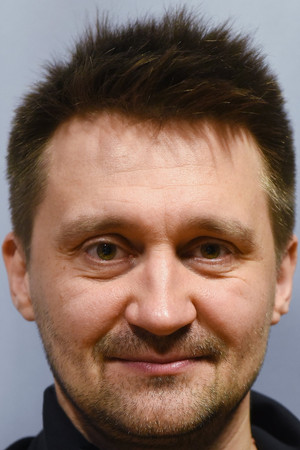
Pavel Kostomarov Movies, TV Shows, and Filmography
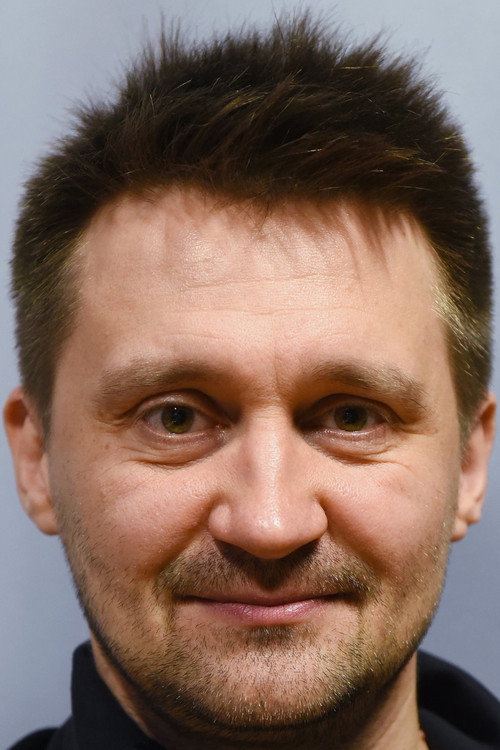
Pavel Kostomarov
Directing
Biography
Pavel Viktorovich Kostomarov (Russian: Па́вел Ви́кторович Костома́ров; born November 22, 1975, Moscow) is a Russian cinematographer, feature, documentary and TV director. Winner of the Laurel Award (2004 and 2007), the White Elephant Award (2007), the Silver Bear Prize for Outstanding Artistic Achievements at the Berlin International Film Festival (2010), the Golden Eagle Award (2011). In 1991, Pavel graduated from the biology class at school No. 523 in Moscow. After graduating from school, he first studied to be an ichthyologist, but his love for photography led him to the VGIK camera department, which he graduated from in 2002. While still a student , he began working with director Sergei Loznitsa on documentaries: "Way Station" (2000), "Settlement" (2001), "Portrait" (2002). Soon, at one of the European film festivals, I met Antoine Cattin, a Swiss cinematographer, director and future co-author. In 2003, on the set of "Landscape" with Loznitsa, a case brought a talkative trucker Valera to the same hotel in Okulovka. It was Kattin who insisted on making a Transformer movie out of it later. The union continued with the documentaries "Peaceful Life" (2004), "Mother" (2007), which received many festival awards (in Anapa, Yekaterinburg, Moscow; in Argentina, Poland, Finland) and awards — "Laurel", "White Elephant". For ten years, Antoine Kattin and Pavel Kostomarov filmed director Alexei German during his work on the "History of the Arkanar Massacre", which resulted in the film "Playback" in 2012. In collaboration with documentary filmmaker Alexander Rastorguev in Rostov-on-Don, he made documentaries "I love you" (2010) and "I don't love you" (2012). Together with NTV presenter Alexey Pivovarov and documentarian Alexander Rastorguev, he created the Internet project "Term" in 2012. In December 2012, together with NTV host Alexey Pivovarov and Alexander Rastorguev, he launched a large-scale documentary project "Reality"[10]. Together with them and other co-authors: Antoine Kattin, Susanna Barangieva and Dmitry Kubasov, Pavel Kostomarov conducted casting and looked for potential heroes of the project. In addition to documentaries, Pavel continued to make feature films with Alexey Popogrebsky ("Simple Things", "How I spent this summer"), with Boris Khlebnikov (the short story "The Saving Tunnel" from the movie almanac "There is no hurry", "Until the Night Separates", "A Long Happy Life"). Shortly after February 24, 2022, he left Russia. He lives in Argentina.
Filmography Movies
Acting
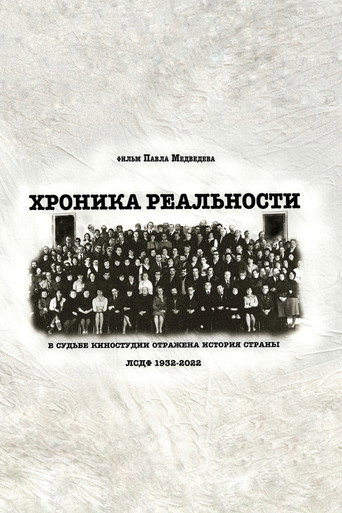
A Chronicle of Reality
Story of Lendoc (Leningrad Documentary Films Studio). Among the heroes of the film are not only famous film directors who shot films at the studio in different years, but also employees of other professions, like cinematographers, writers, editors, producers, sound designers…
Rastorhuev
On July 30, 2018, documentary filmmaker Alexander Rastorguev was killed in the Central African Republic. He left a unique mark on Russian cinema, but managed to do much less than he could. "Rastorguev" - a portrait of one of the brightest and most free filmmakers of our time; direct speech and fragments of films, forming a single statement about the meaning of art, homeland and pain.
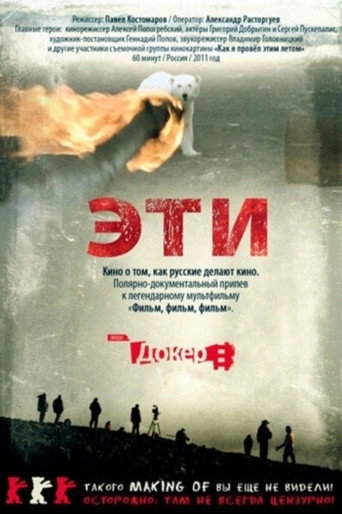
These
The film is about Alexey Popogrebsky's film "How I spent this summer". In the film, there are no tedious reflections of the actors and the director about their film against the background of posters of the same film. But there is life itself, real, unmasked, and, despite the sea of comicality, it makes you horrified at how the Russian film process can take place…
Production
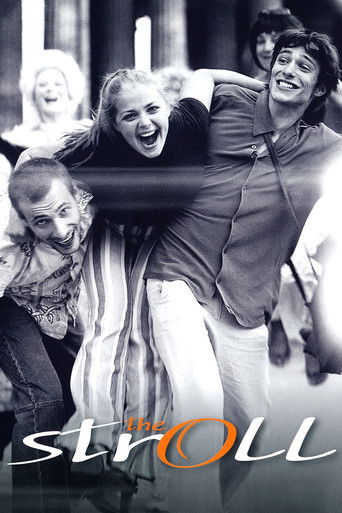
The Stroll
Today’s twenty-something Russians are the first generation in the country’s post-communist history to have grown up free. Their twenties are the age of freedom, of fast-changing events and intense emotions. Perhaps only at this age they can live a whole life in one day. A young girl and her two accident companions walk halfway around St.-Petersburg; they flirt and tease each other, and for ninety minutes they act out a real-time romantic drama. This stroll is full of laughter and tears against a backdrop of the hustle and bustle of the streets.
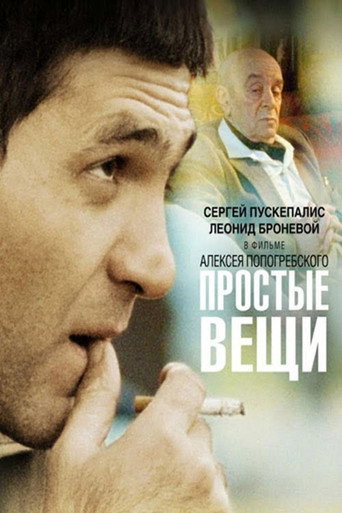
Simple Things
A dying actor asks a doctor to help him commit suicide in return for a masterpiece.
These
The film is about Alexey Popogrebsky's film "How I spent this summer". In the film, there are no tedious reflections of the actors and the director about their film against the background of posters of the same film. But there is life itself, real, unmasked, and, despite the sea of comicality, it makes you horrified at how the Russian film process can take place…
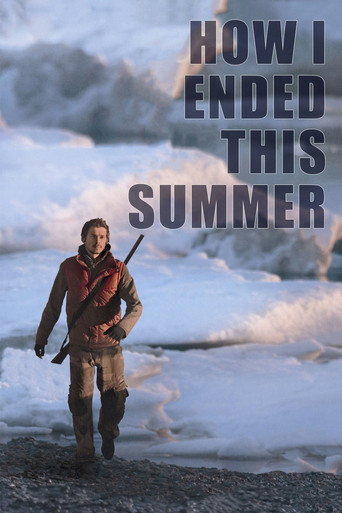
How I Ended This Summer
A polar station on a desolate island in the Arctic Ocean. Sergei, a seasoned meteorologist, and Pavel, a recent college graduate, are spending months in complete isolation on the once strategic research base. Pavel receives an important radio message and is still trying to find the right moment to tell Sergei, when fear, lies and suspicions start poisoning the atmosphere...
The Mother
The film chronicles everyday struggle of a Russian woman for “ordinary” happiness of her family.
Playback
A portrait of the Russian filmmaker Alexei Guerman via an exploration of the making of his latest film, an adaptation of It Is Difficult to Be a God, a science-fiction novel by the Strougaski brothers, on which he has been working for several years, Hard to Be God explores the director's complex relationships with his crew, who he rules with a rod of iron. The film exposes the power relations of authority and the submission of a film crew to a director who is trying to change history, fight servitude and advocate freedom.
I Love You
These are the stories of the three guys,three friends, living in a city in the south of Russia. In the course of a year they recorded their everyday lives with a small HDcam. This record is what comprises the movie and to what it is dedicated. Our heroes are eighteen years old and they live average lives: work, have parties and, fall in love. But finally they will have to make those most important of personal choices which will define their future.
I Love You
These are the stories of the three guys,three friends, living in a city in the south of Russia. In the course of a year they recorded their everyday lives with a small HDcam. This record is what comprises the movie and to what it is dedicated. Our heroes are eighteen years old and they live average lives: work, have parties and, fall in love. But finally they will have to make those most important of personal choices which will define their future.

I Don't Love You
A youth comedy about the tragedy of the first love. An experiment in the area of the film language. REC, accidentally pressed in the middle of a fight. Jealosies, breakups, reunions. A few bedroom scenes, shot with a home camera. Cries and whispers of the urban outskirts. The audience of the film are both Bergman fans and YouTube viewers.
Transformator
On the road between Moscow and Saint Petersburg, two lorry drivers are waiting for help after an accident. But the wait proves to be a long one.
Gallery