Pavel Šimčík Movies, TV Shows, and Filmography

Pavel Šimčík
Acting
Biography
No biography available.
Filmography Movies
Acting
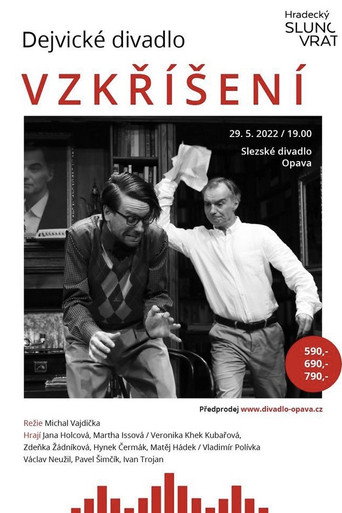
Příběhy obyčejného šílenství
A man decides to take the madness of the world around him as inspiration.
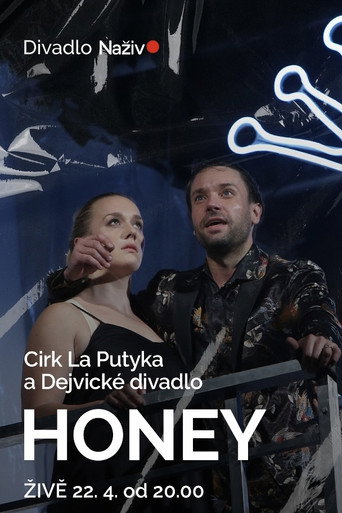
Honey
A perfect symbiosis of two completely different ensembles. Members of the popular Dejvické divadlo theater, known for their intimate dramatic acting, have joined forces with the stars of the new circus ensemble Cirk La Putyka. Together, they tell a romantic story based on real events in a completely original form. The main character takes us through a period of her life when she was capable of doing almost anything for love.
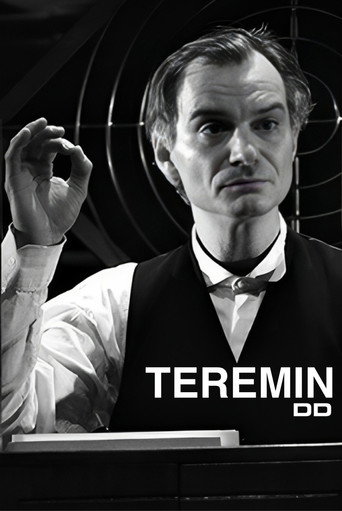
Teremin
Lev Sergeyevich Theremin was a pioneering Russian inventor whose eponymous instrument, the thereminvox, revolutionized electronic music; between 1928 and 1938 he enjoyed triumphs in America - sold-out concerts, mass production of his instrument, and high society acclaim - before the Wall Street crash, personal upheavals, and waning fame led to his enigmatic 1938 return to the USSR. Against all expectations, after surviving Stalin’s notorious Magadan labor camp, he resumed work for Soviet secret services and lived on until 1993, passing away at the age of 97.
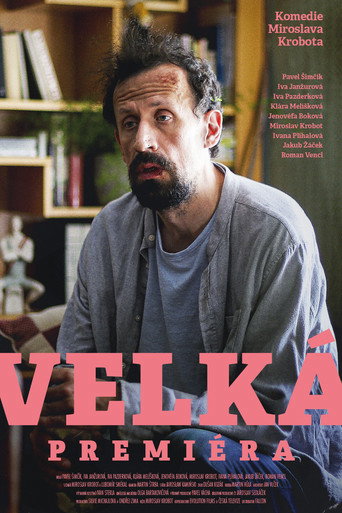
Big Opening
An actor called Šnajdr is given an opportunity to make his debut as a director. He doesn’t think twice about leaving Prague and dashing off to Olomouc, where he is met by the grumpy director of the town’s cultural centre and his eccentric grandma, who is to be the star of his production and who's perfectly attuned to his sense of humour and mystification… A bittersweet comedy directed by Miroslav Krobot and starring Pavel Šimčík and Iva Janžurová.
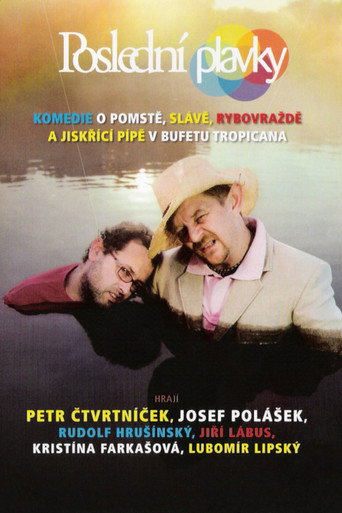
Poslední plavky
The story of Jarda Kuchař, a hero of the bygone era of Tuzex vouchers. His income comes from renting out his own apartment. Every summer, he is forced to spend his time at an abandoned pond, where he runs an even more abandoned snack bar. His right-hand man (and he is left-handed) is the local simpleton Kamil Hošpes. Among the handful of customers are two tractor drivers, Jirka and Péťa, and Jarda's sworn enemy, the fanatical fisherman Pepa Vrtílek with his dog Pepík. The capricious summer days are disrupted by an apparition of monstrous proportions. Lojza, a monster catfish, emerges from the depths of the third irrigation category and eats Vrtílek's dog. Jarda Kuchař sees Lojza as an opportunity to revive local tourism. He calls on fishermen from all over the country. And two actually arrive...
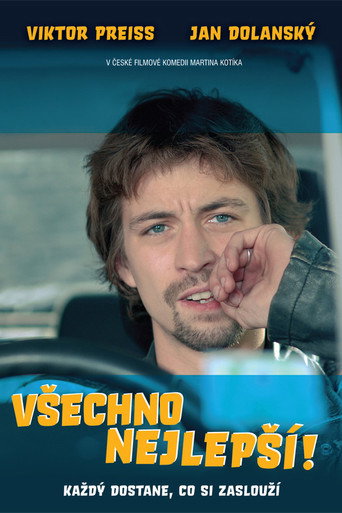
Všechno nejlepší!
One day in the life of a young taxi driver. Prague taxi driver Jarda wants to celebrate his birthday. He has everything nicely planned and under control, just like everything else in his professional and private life. He gets along with everyone, takes care of everything, and everyone is happy with him. Jarda simply "knows his way around." He has a wonderful wife, a beautiful apartment, a relaxed job, a new lover, and lots of good friends, but then a man gets into his new taxi, a man whom fate has also presented with a series of unexpected and complicated situations and fundamental decisions that day. And so, in their unexpected companionship and day-long journey, a number of relationships and values are transformed for both of them.
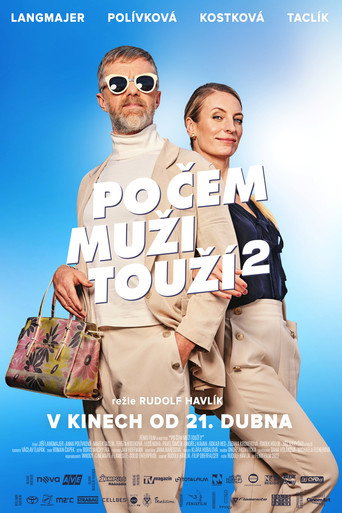
What Men Long for 2.
Irena Kopáčová, a relationship psychologist, hits rock bottom when her practice lease is terminated and she discovers her partner’s infidelity. After drunkenly visiting a soothsayer and wishing to be a man, she wakes up in a male body and must navigate life from an entirely new perspective, struggling to convince others of her true identity.
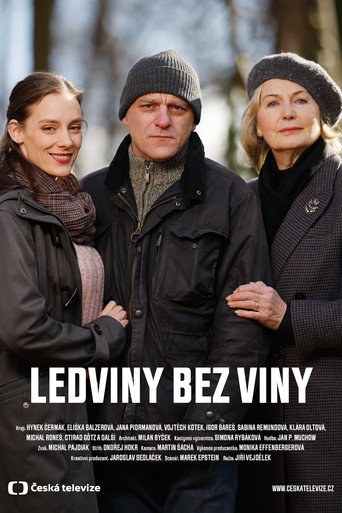
Ledviny bez viny
Detective Miller lives with his mother even though he is over forty. He has a serious girlfriend, but he tries to keep her as far away from his nosy mother as possible. He likes his peace and comfort. He tends to avoid problems rather than solve them. This is probably why he hides from everyone that he has kidney problems and that, on his doctor's orders, he has to carefully measure and record all his fluid intake and output over the coming weekend. This causes him no end of trouble, as everyone interprets his strange behavior differently - his mother, his girlfriend, and his colleague at work.
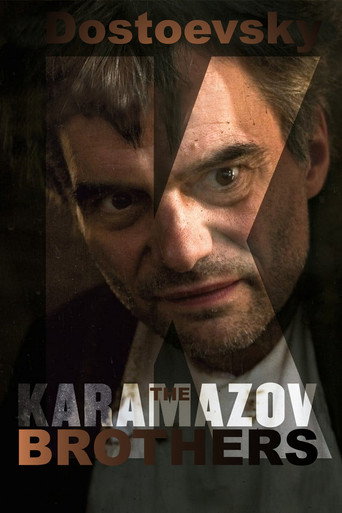
The Karamazov Brothers
Dostoevsky’s latter-day opus about the siblings and their father is among the masterpieces of world literature. It asks profound questions about ethics and religion. Is there a God? Does the devil exist? Is everything allowed because we live in a world without morality? And if so, does patricide even constitute a crime? One of the most interesting adaptations of the material is The Karamazovs by Czech director Petr Zelenka. We witness a group of thesps from Prague on a trip to Krakow in Poland to stage the novel as a play in a derelict steelworks as part of the Closer to Life Festival. The project, however, is born under the bad sign, apparently doomed from the start. When they arrive, the roof is about to cave in, so that the actors are told to wear safety helmets. Their sole consistent audience is a laborer (Andrzej Mastalerz) who rather follows each dress rehearsal than watching over his seven-year-old son who has suffered a tragic accident in the factory.
Gallery