Acting
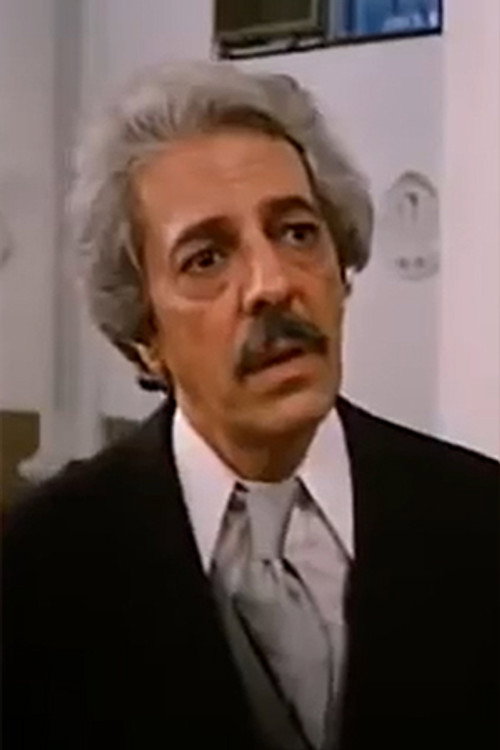
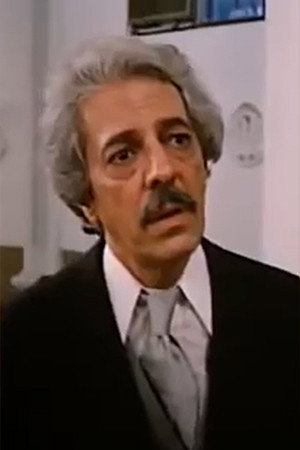
Paulo Porto (Muriaé, September 1, 1917 – Rio de Janeiro, July 3, 1999) was a Brazilian radio, theater, film and television actor. He also worked as a director, screenwriter and producer.
"Portraits and excerpts from Brazilian films from all times. Actors, directors and images that affirm cinema."
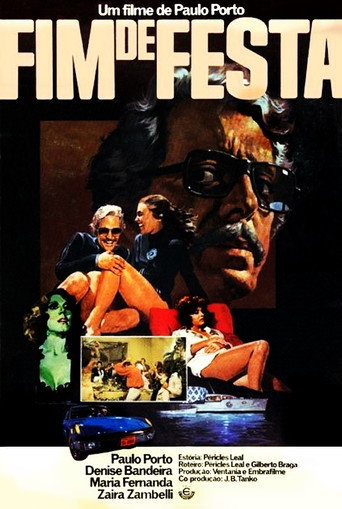
A rich man encounters a prostitute and gets confused about the nature of his feelings for her. He can't decide between attraction and repulsion.
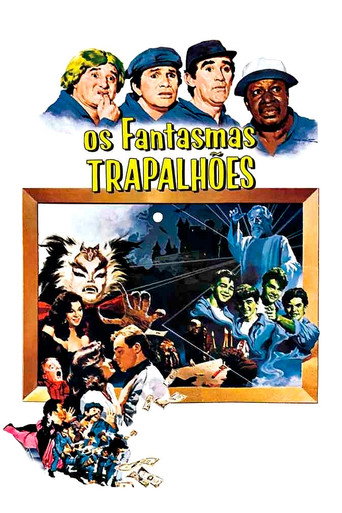
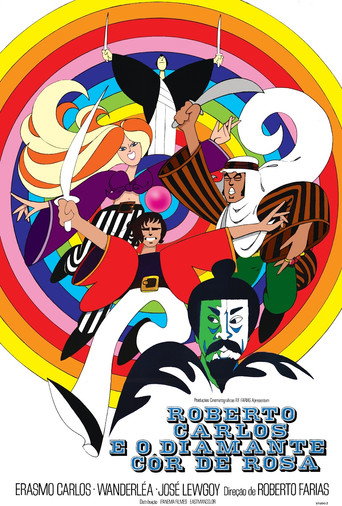
The friends Didi, Dede, and Zechariah Mussum sell crafts on the roadside when supreendidos a car chase. After an accident succor old Giovanni (Grey Wilson) who before dying reveals the hiding place of a fortune. It is money stolen from a bank in Italy for which it is offered a reward of five million dollars. With the help of Delegate Augusto (Gugu Liberato), the four go in search of money, a haunted castle..
Mid-1970s. When the military regime's "economic miracle" and the victory of the Brazilian football team on the World Cup serve as a distraction for the persecution of opposition leaders by the political police of the dictatorship. Under this context, Jofre Godoi da Fonseca, an alienated middle-class man, is mistaken for Sarmento, a political activist he met at an airport prior to his assassination. He is then arrested for being "subversive".
A statuette bought in an antique shop in Tokyo may lead to the discovery of a great treasure.
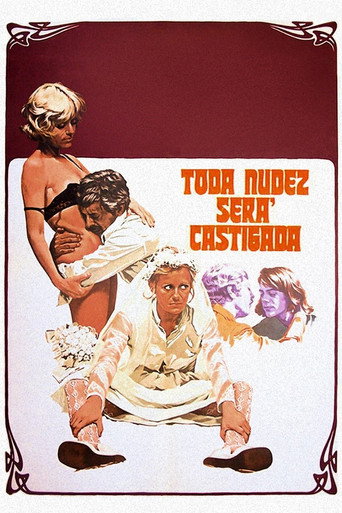
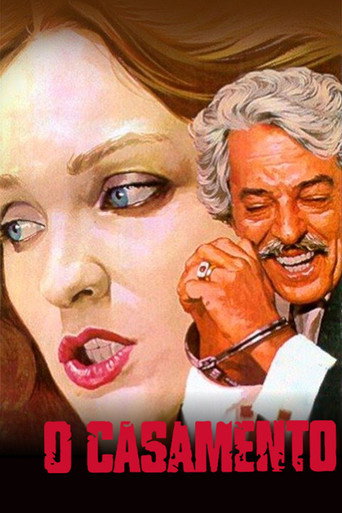
On the eve of her wedding, Glorinha finds herself looking back at her life and confronting the injustices, sexual perversions, adultery and crimes that are hidden under the happy bourgeoise facade.
Jorge, an ambitious journalist, marries into money and betrays colleagues to become a powerful politician during political turmoil in 1946 Brazil.
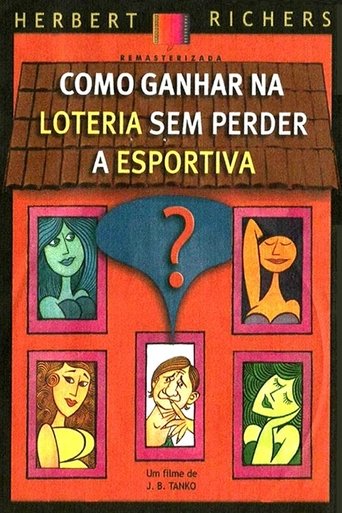
A comedy about the happiness of several people who won the number 12 of Sports Lottery, thinking they are the only winner. Among them, one priest seduced by the devil disguised as a sacristan, one taxi driver who is planning to buy an entire fleet of cars, and prostitutes who leave their brothel, only to return again later.
A young woman from a conservative family loses her virginity to her boyfriend who dumps her after. She starts a new relationship, but when her parents find out she has been "ruined" they try to arrange a marriage with the first boyfriend.
Monica, a naive schoolgirl from a suburb of Rio de Janeiro, meets Virginia, a former neighbor, now living in Copacabana. Influenced by her, she decides to take on a double life: in the morning she is the suburban girl, in the afternoon she attends a brothel in the South Zone. One day she meets Flávio, a friend and eventual lover of Virginia. Flávio falls in love with the purity of Monica and wants to drive away her friends, for considering Virginia a bad company for her beloved.
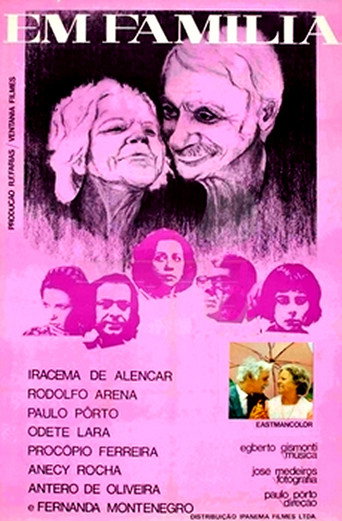
Old couple are being evicted and turn to their five children for help. Since no one can accommodate the two of them, the children decide to separate the couple.
Film in three segments. In the first, engaged girl falls in love with an acrobat. In the second, married woman is loved by two men. In the last, the daughter of a traditional family is rejected on her wedding night.
Pra Quem Fica, Tchau tells the story of a teenager from the interior who comes to Rio, financed by an uncle, and goes to live with a womanizer cousin.
Marcelo and Márcia, a successful couple, have different social backgrounds. She's always been rich and attached to tradition, while her husband hasn't. One day he leaves for another city, Angra dos Reis, where he meets two girls, Lena and Tânia. Marcelo and Lena get involved, while Tânia is jealous. One night the three go to a party, where a tragic accident happens.
An extended research tour of US university film programs introduced dos Santos to the American avant-garde filmmakers, among them Jonas Mekas and Stan Brakhage, who would directly inspire his formally radical adaptation of an allegorical short story about adultery and colonialism by Guilherme de Figueiredo. Filmed in both Manhattan and Brazil and set against the background of the Vietnam War and its protests, Hunger for Love uses a rigorously abstract soundtrack and narrative structure to evoke the acute paranoia of the period building up to the December 1968 military coup that tipped Brazil perilously close to a conservative dictatorship. With its harsh critique of the decadent tendencies of the Sixties counterculture, Hunger for Love offers a key expression of the self-consciously “ideological” phase of Cinema Novo. -Harvard Film Archive