Paulo Pécora Movies, TV Shows, and Filmography

Paulo Pécora
Directing
Biography
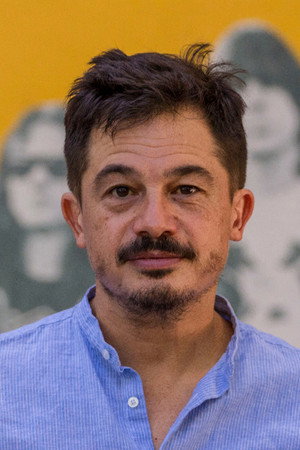
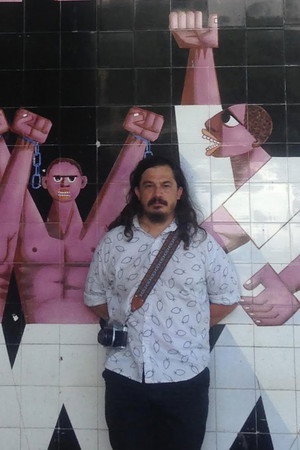
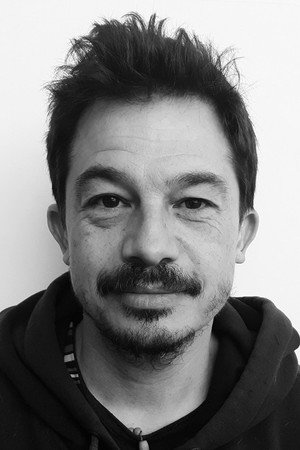
He was born in Buenos Aires. He is a journalist and filmmaker, as well as a photographer and amateur cartoonist. He studied journalism at the Universidad del Salvador and directing at the Universidad del Cine de Buenos Aires. "The Dog's Dream", "Low Tide" and "What We Have", the documentary feature film "Amasekenalo", in addition to the horror medium-length film "Las Amigas" and some thirty short films and video clips. , most of them filmed in Super 8.
Filmography Movies
Acting
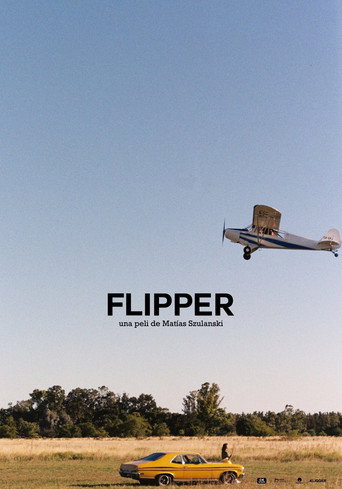
Flipper
A man steals his wife's diamond ring and sells it to buy a pinball. Three friends travel to the coast to buy a pinball but are scammed and receive unexpected help. A woman accidentally kills her lover, disposes of his body, and later learns that he might have diamonds on top of him. Three absurd stories of love and crime around the popular machines.
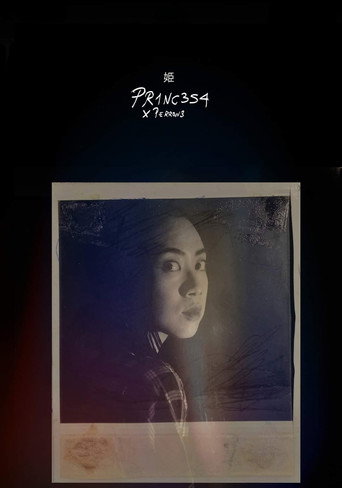
PR1NC3S4
In his new cinematic adventure, Raúl Perrone makes a new incursion into the Japanese out of Ituzaingó in order to shape the variations of a story that revolves around a woman who cuts dead people’s hair, a samurai with an intolerable mission, a nosy burglar, a feudal lord on the verge of insanity and a giant metal fish. The film is freely inspired in the original version of Rashomon –written by Ryūnosuke Akutagawa– and, as usual in his filmography since P3ND3JO5 (2013), Perrone blends different elements from classical film; in this case, visible ghosts from Kurosawa’s cinema and certain aspects of Japan’s traditional culture melt with nightmarish distortions and machinistical irruptions, typical of a future that may never come. “The avant-garde is in the past” he once said in an interview. In his reimagining of film history, Perrone again finds an inexhaustible field of expression.

Berta and Pablo
Carolina travels from Montevideo to Buenos Aires to take some time off from her relationship and, seizing her stay, she visits her deceased grandmother's house to see what she can recover among her belongings. In one of the books she finds, she discovers that she corresponded with a man named Pablo.
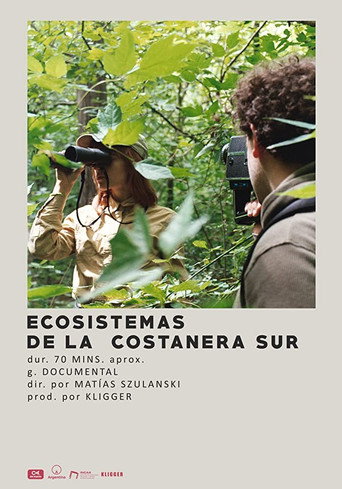
Ecosistemas de la Costanera Sur
A documentary about the Costanera Sur (south boardwalk) of Buenos Aires, Argentina, including Super 8 filmmakers, conspiracies, choripanes and myths.
Analog Thinking
In a world where technological progress is conceived as an arrow pointing forward, why do some people insist on continuing to work with equipment others refer to as obsolete? Analog Thinking answers that question by documenting the meticulous work of those who choose that path. The screen becomes filled with wonderful objects—optical toys, cameras, projectors, film stock cans, moviolas… And the testimonies from those creators invite us to discover a universe that has a lot to do with both craftsmanship and the collective experience—an instance of thinking with your hands that is only possible with curiosity and patience. And among the words, practices and artifacts, Analog Thinking also saves a place for the images that are born from all of that. And it reminds us that, even in this digital age, they still have a lot to teach us about waiting and making mistakes, surprise and beauty.
Ocher
About the intense and complex relationship between writer Horacio Quiroga and the bold poet Alfonsina Storni, a powerful female voice fighting for her independence in a male-dominated world. Through excerpts from their letters and poems, the film intertwines their lives.
Production
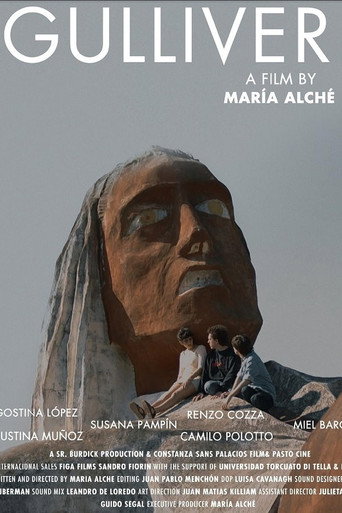
Gulliver
After a party, Agos and Ren find themselves in a strange place where they remember to have been before… A failed world bursting with dependences and doors leading to the same yet different place.
Analog Thinking
In a world where technological progress is conceived as an arrow pointing forward, why do some people insist on continuing to work with equipment others refer to as obsolete? Analog Thinking answers that question by documenting the meticulous work of those who choose that path. The screen becomes filled with wonderful objects—optical toys, cameras, projectors, film stock cans, moviolas… And the testimonies from those creators invite us to discover a universe that has a lot to do with both craftsmanship and the collective experience—an instance of thinking with your hands that is only possible with curiosity and patience. And among the words, practices and artifacts, Analog Thinking also saves a place for the images that are born from all of that. And it reminds us that, even in this digital age, they still have a lot to teach us about waiting and making mistakes, surprise and beauty.
Analog Thinking
In a world where technological progress is conceived as an arrow pointing forward, why do some people insist on continuing to work with equipment others refer to as obsolete? Analog Thinking answers that question by documenting the meticulous work of those who choose that path. The screen becomes filled with wonderful objects—optical toys, cameras, projectors, film stock cans, moviolas… And the testimonies from those creators invite us to discover a universe that has a lot to do with both craftsmanship and the collective experience—an instance of thinking with your hands that is only possible with curiosity and patience. And among the words, practices and artifacts, Analog Thinking also saves a place for the images that are born from all of that. And it reminds us that, even in this digital age, they still have a lot to teach us about waiting and making mistakes, surprise and beauty.
Analog Thinking
In a world where technological progress is conceived as an arrow pointing forward, why do some people insist on continuing to work with equipment others refer to as obsolete? Analog Thinking answers that question by documenting the meticulous work of those who choose that path. The screen becomes filled with wonderful objects—optical toys, cameras, projectors, film stock cans, moviolas… And the testimonies from those creators invite us to discover a universe that has a lot to do with both craftsmanship and the collective experience—an instance of thinking with your hands that is only possible with curiosity and patience. And among the words, practices and artifacts, Analog Thinking also saves a place for the images that are born from all of that. And it reminds us that, even in this digital age, they still have a lot to teach us about waiting and making mistakes, surprise and beauty.
Analog Thinking
In a world where technological progress is conceived as an arrow pointing forward, why do some people insist on continuing to work with equipment others refer to as obsolete? Analog Thinking answers that question by documenting the meticulous work of those who choose that path. The screen becomes filled with wonderful objects—optical toys, cameras, projectors, film stock cans, moviolas… And the testimonies from those creators invite us to discover a universe that has a lot to do with both craftsmanship and the collective experience—an instance of thinking with your hands that is only possible with curiosity and patience. And among the words, practices and artifacts, Analog Thinking also saves a place for the images that are born from all of that. And it reminds us that, even in this digital age, they still have a lot to teach us about waiting and making mistakes, surprise and beauty.
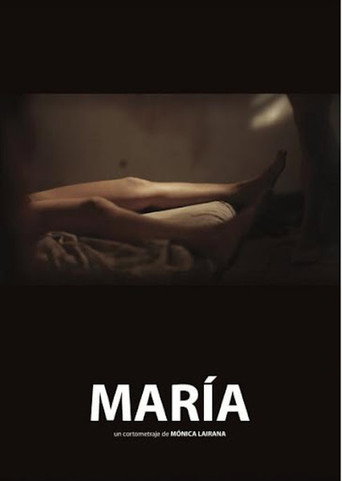
María
The full weight of someone Else's flesh squashes Maria' s inert body.
El malestar
MLA
The autobiographical films made by German-Argentine experimental artist Marie Louise Alemann explore performativity and layers of the self. Paulo Pécora's portrait of Alemann, recorded in 2013, pays her loving tribute. Alemann's figure gradually comes into view from amidst a sea of black-and-white Super 8 grains while her voice speaks gently about how cinema entered her life.
MLA
The autobiographical films made by German-Argentine experimental artist Marie Louise Alemann explore performativity and layers of the self. Paulo Pécora's portrait of Alemann, recorded in 2013, pays her loving tribute. Alemann's figure gradually comes into view from amidst a sea of black-and-white Super 8 grains while her voice speaks gently about how cinema entered her life.
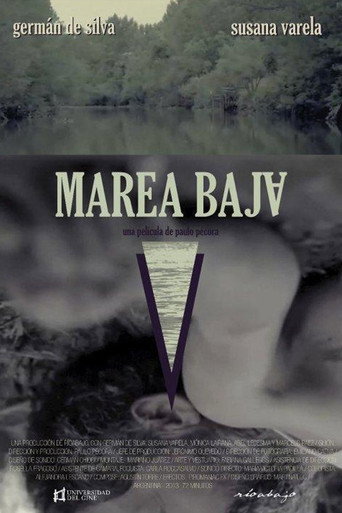
Low Tide
The arrival of a stranger -a thief running away from his accomplices- alters the routine of a big and solitary house in the Parana river delta inhabited by two women. That man carries a somber past behind him and moves towards an equally loo-my destiny. A film noir in a jungly landscape, with a dark and dense atmosphere.
Gallery