Art
No biography available.
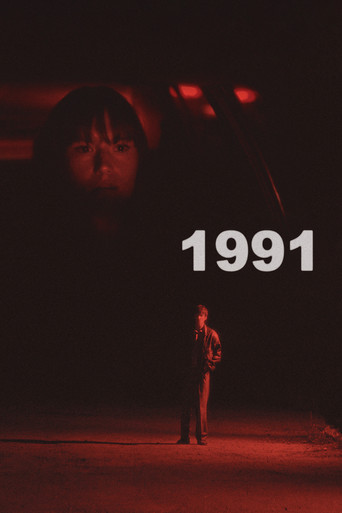
The year 1991. A hot summer night. Lithuania-Belarus border. It is nearly dawn. There are two customs wagons on the roadside. One of them has been burnt down. In the other one, border guards sit in silence. Someone opens the door without knocking.
A young couple of lovers is separated by the unexpected and tragic death of the girl. A few months after the incident, the man’s mental health has deteriorated. He starts to meet his dead lover in every corner.
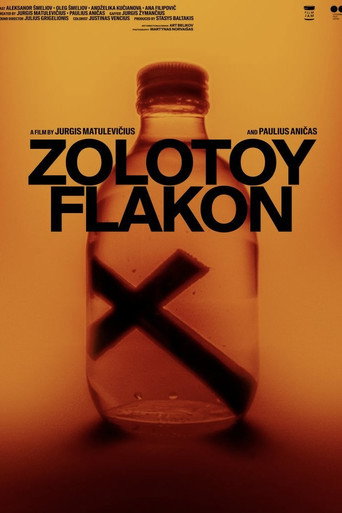
Four people have lived for many years in a small apartment. Their hearts remain young, but their minds, clouded by time and a sad, perpetually drunken fate, no longer function clearly and cannot think straight.
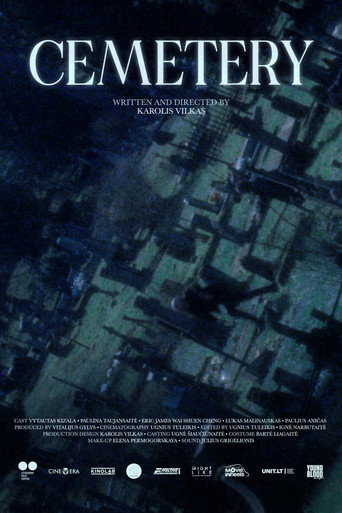
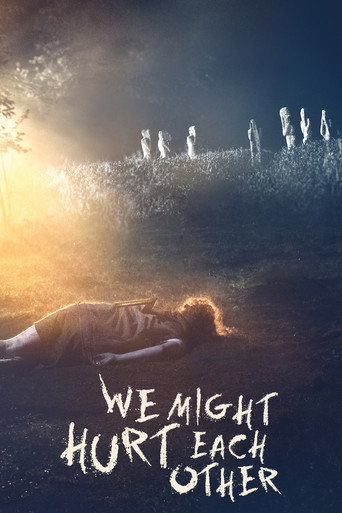
A group of classmates celebrate their graduation in an isolated place about which a sinister story is told.
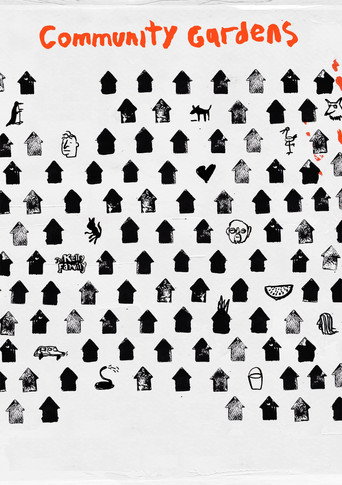
A grown-up son goes on a countryside trip with his ageing parents in the hopes of reigniting the relationship, but there is nothing left to reignite. This story of familial dysfunction is set against the picturesque backdrop of a dacha community (instantly recognisable to every post-Soviet native), rendered by Vytautas Katkas with irony and a rare sympathy for his hapless subjects.
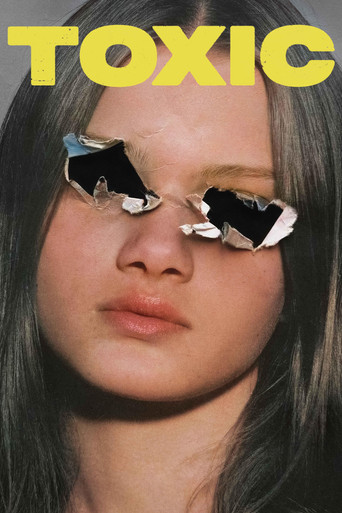
Dreaming of an escape from the bleakness of their hometown, two teens form a unique bond at a local modeling school, where the promise of a better life pushes girls to violate their bodies in increasingly extreme ways.
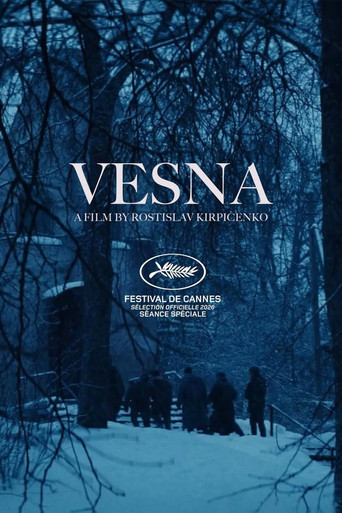
In a Russian-occupied town in southeastern Ukraine, where burying the dead has been forbidden, the church of a young priest, Andriy, has been turned into a morgue for executed Ukrainian civilians. As the occupation tightens its grip, Andriy quietly begins to resist, secretly returning the bodies to their families at great personal risk. Along the way, he forms an unexpected bond with Makarov, an 11-year-old boy who becomes the silent witness to his rebellion.
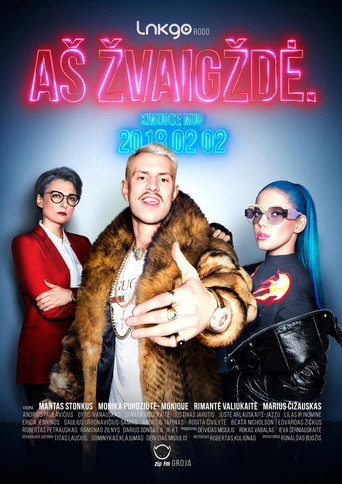
A mockumentary about an over the top pop star who slowly fades out.