Acting
No biography available.
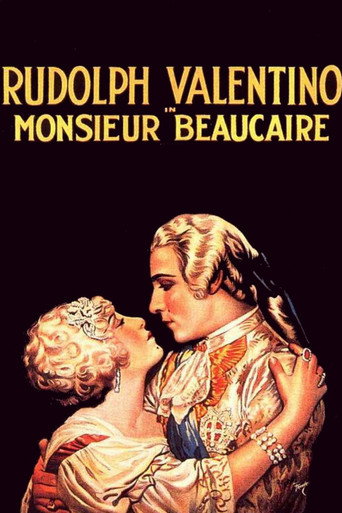
The Duke of Chartres is in love with Princess Henriette, but she seemingly wants nothing to do with him. Eventually he grows tired of her insults and flees to England when Louis XV insists that the two marry. He goes undercover as Monsieur Beaucaire, the barber of the French Ambassador, and finds that he enjoys the freedom of a commoner’s life. After catching the Duke of Winterset cheating at cards, he forces him to introduce him as a nobleman to Lady Mary, with whom he has become infatuated. When Lady Mary is led to believe that the Duke of Chartres is merely a barber she loses interest in him. She eventually learns that he is a nobleman after all and tries to win him back, but the Duke of Chartres opts to return to France and Princess Henriette who now returns his affection.
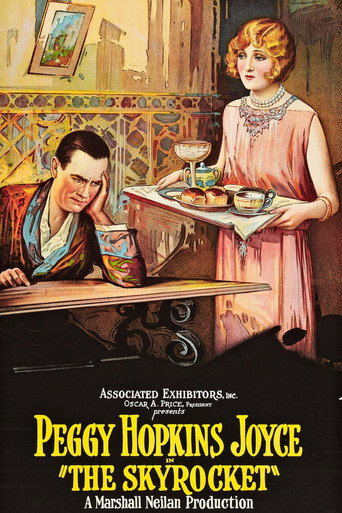
In the prologue Sharon Kimm and Mickey Reid are childhood friends in a tenement neighborhood but are separated when Sharon is placed in an orphanage. In the story we see Sharon as a young Hollywood star whose quick rise to fame leaves her self-centered, superficial, and a spendthrift. Ironically, the film that skyrocketed her to fame was written by Mickey. But her success is brief; and when it comes crashing to earth, Mickey is there to pick up the pieces.
Story about a little boy and girl that meet in a beautiful garden and the little girl promises the boy that some day she would meet him there again. He goes off to study the violin in Italy and when he returns he finds the girl in the garden.
[For 9 minute surviving fragment] Lucian, a soldier in Paris, is to ship out for Algiers at 9 that evening. He stops by for a last meal with his love, Marianne. He may be worried that when he leaves she will find another soldier to love. They argue then embrace and, when the clock strikes midnight, he is still in her arms. Is desertion in the cards? Can the relationship survive the military demands and a soldier's obligations? A lost film.
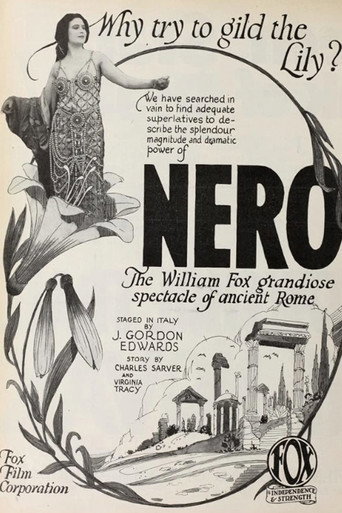
Biography portraying the life of the Roman Emperor Nero.
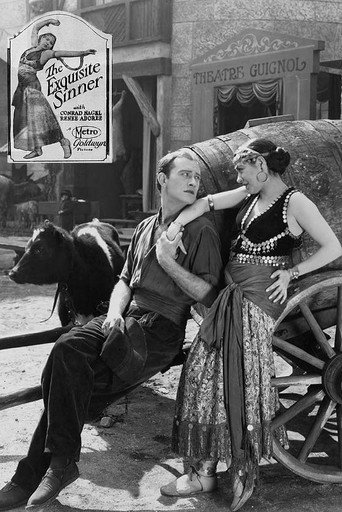
Adapted by Alice Duer Miller from a novel by Alden Brooks, the film concerns a young man who forsakes the humdrum business world for the bohemian life of an artist. Josef von Sternberg had been the original director of Exquisite Sinner, but MGM was dissatisfied with the picture and refused to release it. When the film finally surfaced in 1926 (a full year after its completion), it had been radically altered by staff director Phil Rosen.
Jerry always wins in his rivalry with Red over women, gunrunning, and diamond smuggling. While running booze into the U.S. during Prohibition, Jerry seizes Jane's seaside home. When she tries to turn him in, he kidnaps her and her fiance John. Jane, now in love with Jerry, must watch as Jerry and Red shoot it out on board Jerry's boat.
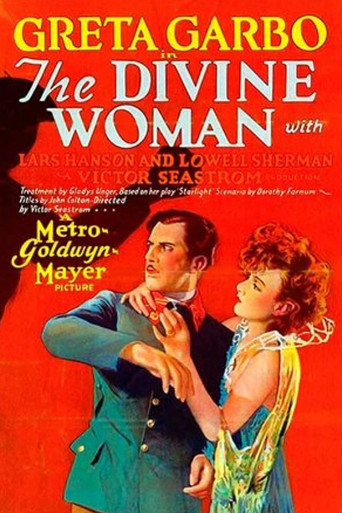
A young woman marries the wastrel son of a British aristocrat. Her husband, who has been disinherited by his father, loses what little money he has left gambling in casinos and then dies, leaving her penniless and with an infant son. When her former father-in-law tries to get custody of the child, she leaves him with a couple she trusts, but when she later goes to reclaim her son, she can't find the people she left him with.
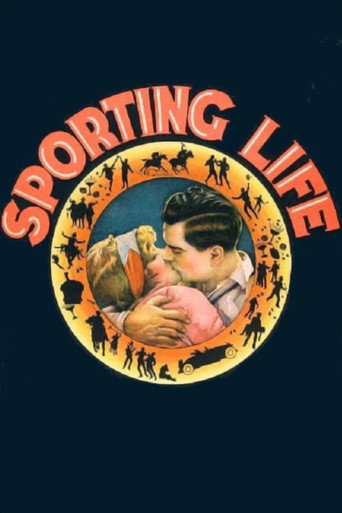
A young British nobleman, impoverished and desperate, clings to the hope that either a prizefighter or a racehorse in which he holds interests can save his fortunes.