Acting
No biography available.
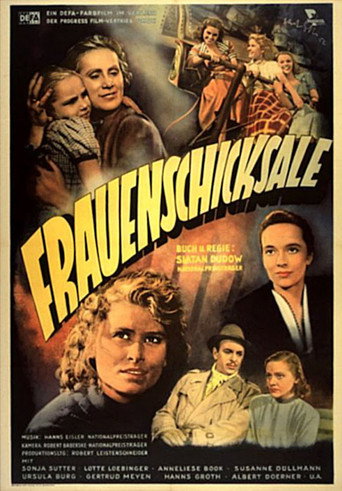
Berlin 1952, seven years after WWII. Four women are looking for a good man and happiness in the divided city. Their destinies are loosely connected through one person: the West Berlin dandy and womanizer, Conny.
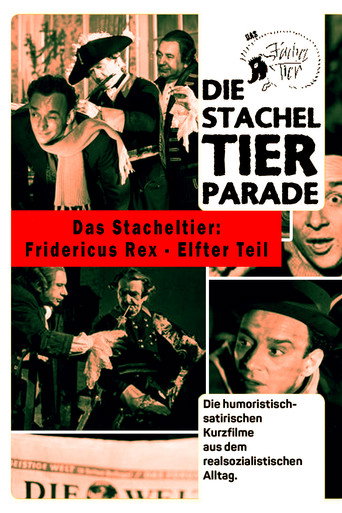
Two UFA employees travel by car from West Berlin to Potsdam's Sanssouci Palace together with Ministerial Director Schimmelpfennig to persuade Frederick II, who haunts the palace, to collaborate on a new film about himself. The daily newspaper Die Welt had already written about the fact that at the founding meeting of the new UFA, its director pointed out under the motto: "The old spirit lives" that the monumental film Fridericus Rex - Eleventh Part was a first contribution to the ideological armament of the Free World.
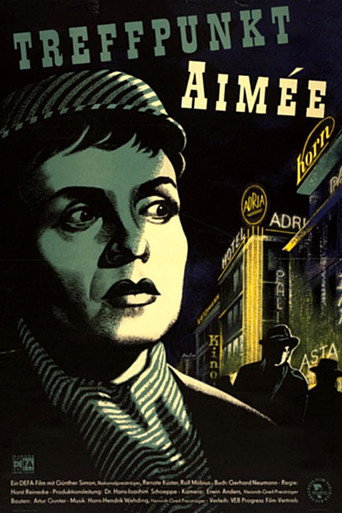
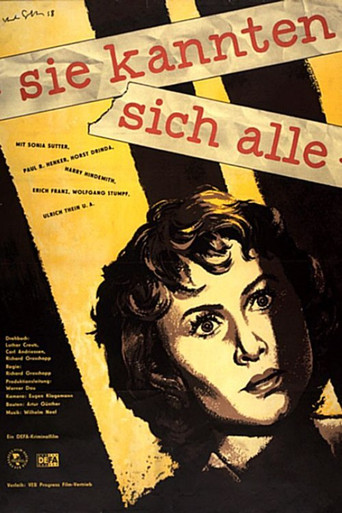
DEFA crime film about the smuggling of PVC across the (still open) border from East to West Berlin.
A car factory in the GDR. During a test ride there is a major accident. One driver is dead, another is seriously injured. The investigation reveals: sabotage.
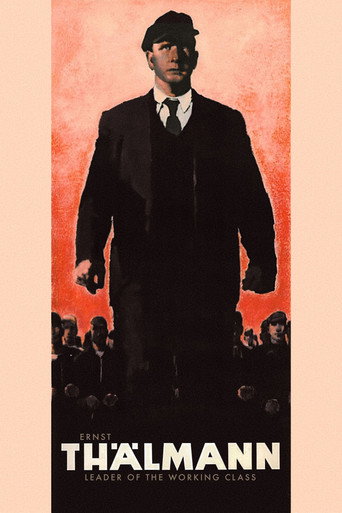
This film is the second of a two-part historical and biographical portrait of the communist politician and anti-fascist Ernst Thälmann. Autumn, 1918: Somewhere on Germany’s western front, Ernst Thälmann, age twenty-four, is calling on his fellow soldiers to put down their guns and join him in the communist struggle at home. When Hamburg’s Police Commissioner blocks a much-needed food shipment to the workers of Petrograd, Ernst battles to see it allowed through. Until his murder on August 18, 1944, Ernst remained true to his political convictions in the face of many setbacks.
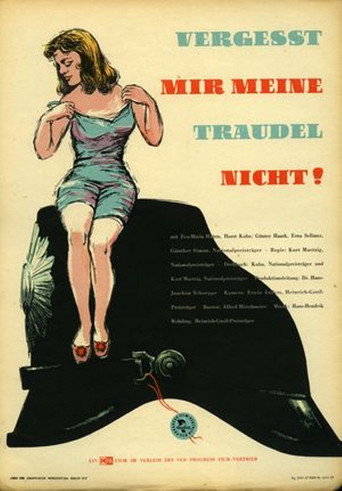
17-year-old Traudel flees the orphanage she has to live in, in order to venture to Berlin.
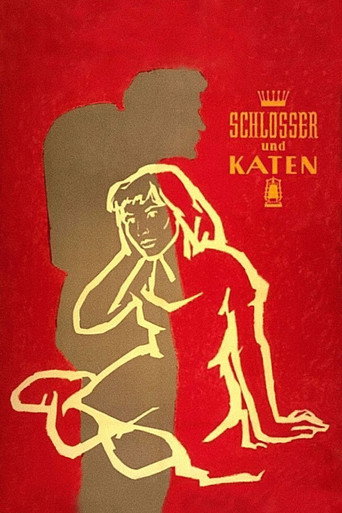
Lifelong hard work for the count makes the servant Anton a cripple. Everybody calls him Crooked Anton. When, after the end of the war, the land of the count gets divided amongst the farmers, Anton receives a piece and hopes to be able to work freely. But an old debt and intrigue keep Anton and his family from finding peace. The farmers of the village begin to discover their own power when Annegret, Anton's daughter, leaves. Is a new beginning possible for Anton? This film paints an impressive panorama of the development of a minor village in Mecklenburg from the end of the war to the uprising of 17 June 1953.
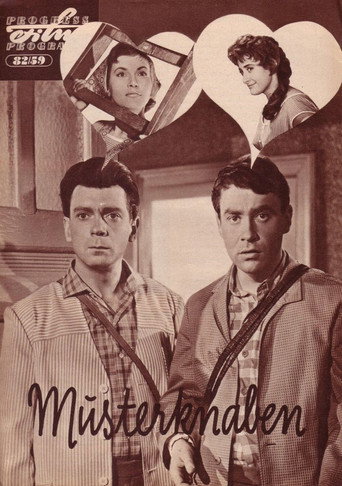
Two young building workers are more interested in girls than their work; complications ensue at home.
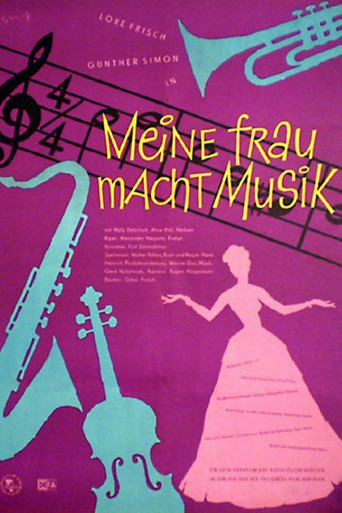
Having been happily married for ten years, Gerda Wagner, devoted mother and housewife, suddenly gets it into her head that she would like a career as a pop star. She had singing lessons in the past and her voice is still beautiful. A chance meeting with the idolized Italian singer Fabiani, revives her stage fever - much to the annoyance of her husband Gustl Wagner, head of the records section at a department store.
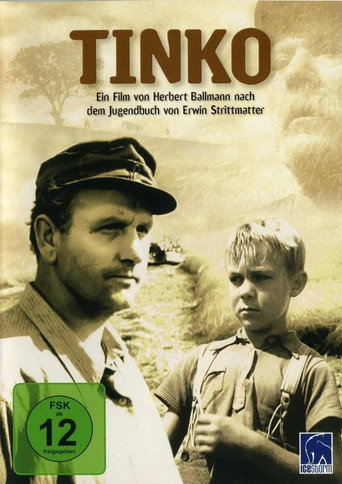
After 1945, land reform forces Old Kraske to become an agricultural worker, but he continues to work on his own, flatly refusing to join any collective farming activities. He desperately wants a large-scale farm like Kimpel's in order to pass it on to his adored grandson, Tinko. When Kraske's son Ernst returns from a POW camp and gives his support to the new communal project, tensions arise within the family and little Tinko is caught in the middle.