Acting
No biography available.
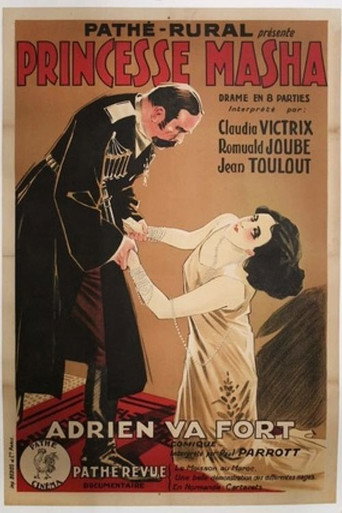
A baby is abandoned near the Neva in St. Petersburg 1890. A teacher picks it up and takes the little girl. 20 years pass, Masha (Claudia Victrix) flee Russia because her father conspired against the Tsarist regime and is in the attention of the dangerous General Bourgassoff (Jean Toulout) . She goes to study medicine in Paris....
Paulin Broquet, the great Parisian detective, has brought the notorious bandit, Zigomar, to justice. Determined not to let the law punish him, he had taken poison in the Hall of Justice. Then he was brought to a hospital where he lay motionless and was visited by hundreds of persons. Among the visitors was a slender woman, dressed in black, who secreted herself in the hospital, and, when all the others had gone, went to the bedside of Zigomar and administered an antidote for poisoning.
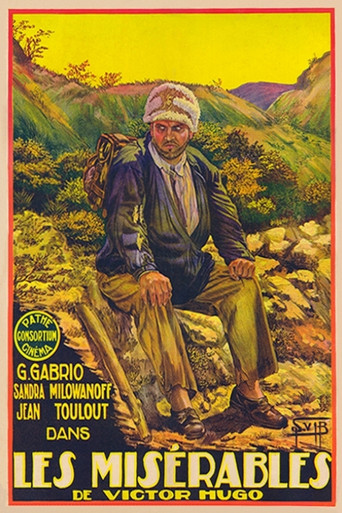
In 19th century France, Jean Valjean, a man imprisoned for stealing bread, must flee a relentless policeman named Javert. The pursuit consumes both men's lives, and soon Valjean finds himself in the midst of the student revolutions in France.
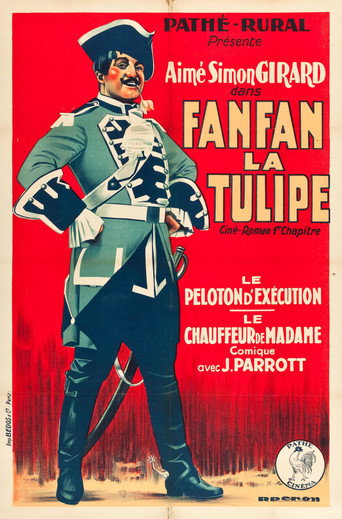
An earlier version of the 18th century swashbuckling story later made as a vehicle for Gerard Philipe, this one is in serial format.
The film based on the novel of the same name by Alexandre Duma, is concerned with fraternal royal strife at the court of Henri III. Tragically caught between the millstones of history are the gallant Count de Bussy and the woman he adores, la Dame de Monsoreau.
Adapted from a play by Romain Coolus, whose work Dulac had covered as a theater critic at the turn of the century, this atmospheric and socially inquisitive film tells the tale of an independent, sexually liberated woman (Eve Francis) who is torn between her husband (Gabriel Gabrio) and her lover (Paul Guide). Controversial at the time of its release, Antoinette Sabrier finds Dulac using her bold sense of visual rhythm to achieve a complex portrait of a woman trapped in an unhappy marriage and a nuanced investigation into human intimacy, with her characters’ emotions expressed through then-innovative cinematic techniques such as slow motion and associative montage.
Directed by Henri Fescourt.