Editing
No biography available.
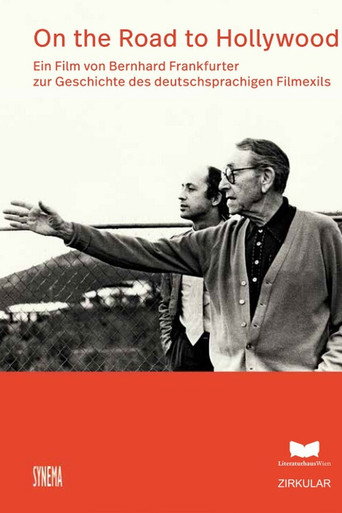
Bernhard Frankfurter, a young Austrian filmmaker, follows the trails and roots of several German-speaking filmmakers who had been forced into exil by Hitler faschism. He interviewed prominent and less well-known artists who were forced to leave their (artistic) heimat because they were politically or racially no longer "acceptable"... A documentary film in which the personal commitment of the filmmaker is purposely brought to the attention of the viewer.
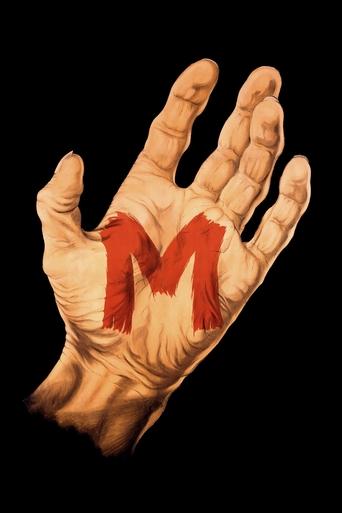
In this classic German thriller, Hans Beckert, a serial killer who preys on children, becomes the focus of a massive Berlin police manhunt. Beckert's heinous crimes are so repellant and disruptive to city life that he is even targeted by others in the seedy underworld network. With both cops and criminals in pursuit, the murderer soon realizes that people are on his trail, sending him into a tense, panicked attempt to escape justice.
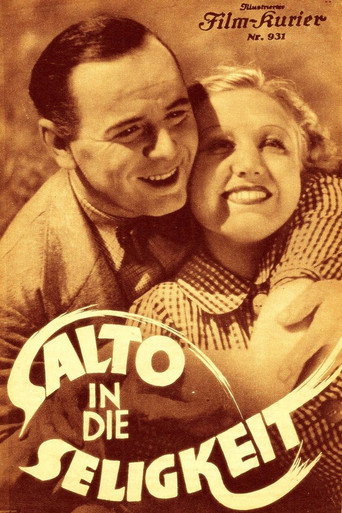
An unemployed artist must choose between a flower seller and a Hungarian dancer and defend himself against suspicion of shoplifting.
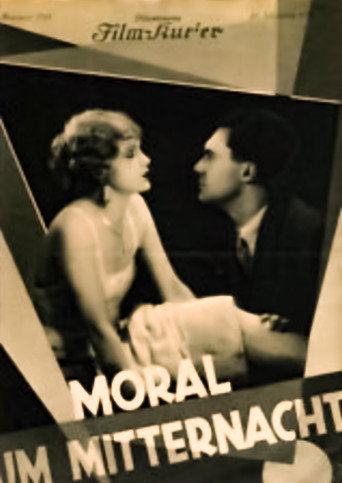
Berlin, the center of pleasures and kingdom of small virtues. From all over Germany, young night owls come to burn themselves cheerfully in its lights, to drown in its champagne and fill its boxes and restaurants until dawn.
Bank robbers take a woman hostage in the course of a botched getaway. After discovering she's a nudist, they decide to hide out at her nudist camp.
A young model and her friends vacation at a horse ranch. The owner of the ranch is a nudist and takes the girls to a nudist camp to show them the wonders of nudism.
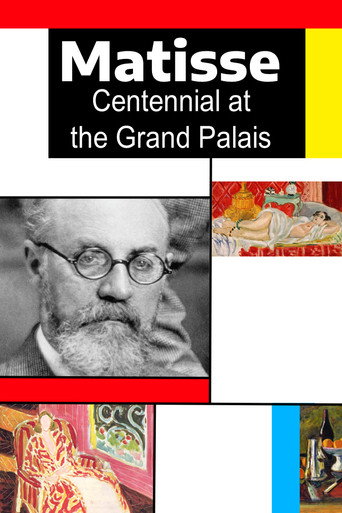
The styles of Henri Matisse's works range from impressionism to fauvism to an almost abstract technique. He, along with Picasso, are regarded as two of the giants of 20th century art. This installment of the Museum of Modern Art series depicts the works of Matisse, and is the only film record of the landmark exhibition in Paris in 1970. All of his works, including the seldom-seen paintings from the Russian collections are shown here. Rare footage of the master painter at work is also offered. Matisse scholar Pierre Schnieder narrates.
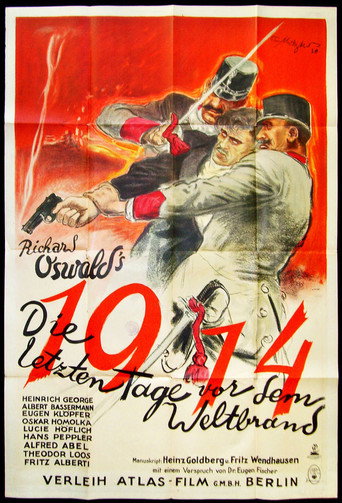
The film focuses on the leadership of the Great Powers of Europe in the days leading up to the outbreak of the First World War.
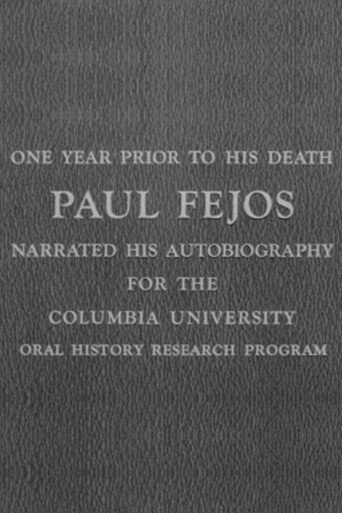
At first, the demolition of a biography. Shortly before his death, Fejos tells his life story. His voice, the melody of his Hungarian-accented English, his humour and his ability to tell stories lead us through the short documentation. Then it becomes an ethno-drama. The film travels from Sweden to Siam and poetically and powerfully shows how much work it is for a young couple to produce a handful of rice.
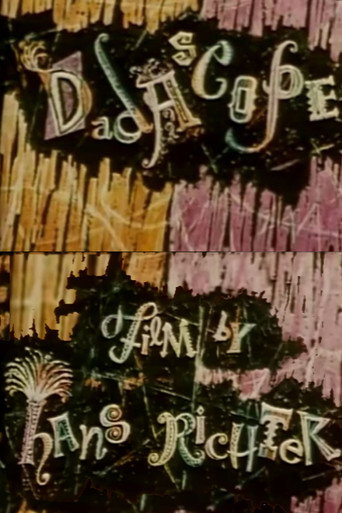
Free-associative images are juxtaposed with disorienting poetry in Richter's late work. The film is visual dynamite: Upside-down and reversed footage, play with shadows and light, billiards and dice and balloons-- suggestive and surreal images. Tenets of Dada writing, such as games of chance, punnery, wordplay and loud nonsense noise are foist upon the viewer as Dada poems are read / performed by their orignal authors.