Patrick Poivre d'Arvor Movies, TV Shows, and Filmography
Patrick Poivre d'Arvor
Acting
Biography
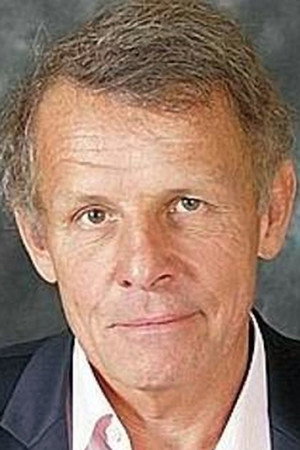
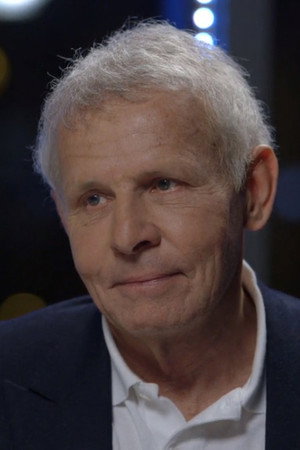
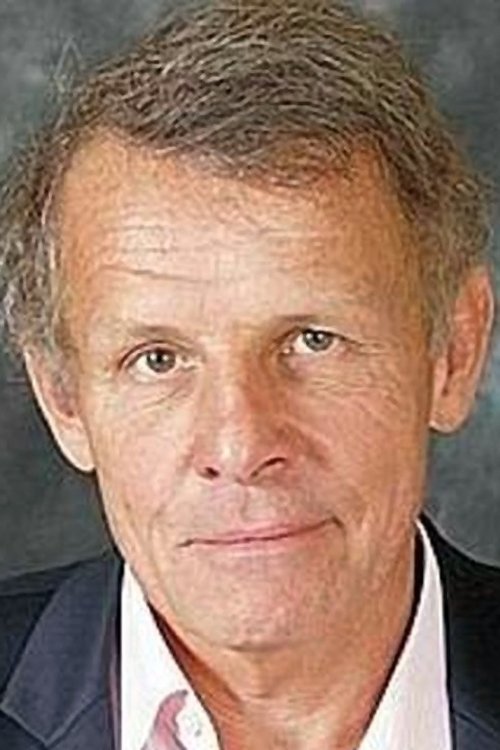
Patrick Poivre d'Arvor (PPDA; né Patrick Jean Marcel Poivre; born 20 September 1947) is a French TV journalist and writer. He is a household name in France, and nicknamed "PPDA". With over 30 years and in excess of 4,500 editions of television news to his credit, he was one of the longest serving newsreaders in the world until he was fired in 2008. He presented his last newscast on TF1 on 10 July 2008. Since 2021, a total of 27 women have accused Patrick Poivre d'Arvor of sexual assault or rape that would have allegedly happened during decades prior. Seventeen women filed a formal complaint. Among them, eight did so for alleged rape. Patrick Poivre was born in Reims, France. He obtained his Baccalauréat at 15, the year he became a father. He then studied Oriental Languages at the Institut national des langues et civilisations orientales and Law. Poivre claims to be descended in the male line from Jacques Poivre, brother of Pierre Poivre, an 18th-century nobleman in the time of Louis XV, "d'Arvor" being Jacques Poivre's pseudonym. Poivre, his siblings and his three surviving children legally changed their surname to Poivre d'Arvor in 1994. Poivre started training as a journalist at the Centre de formation des journalistes (CFJ) at 22. He obtained his first job in 1971 on France Inter as morning newsreader. In 1974, at the time of Valéry Giscard d'Estaing's accession to the Presidency, Poivre joined Antenne 2. He made his first TV appearance there in 1975, and was presenter for news bulletins from 16 February 1976 to 28 July 1983. After a brief stint with Canal+, he joined TF1 in 1986 for the Sunday program A la folie pas du tout and Ex Libris, from Frederic Lepage. On 31 August 1987, he became presenter for the weekday news of TF1 at 8 pm from Monday to Thursday. He is satirised in the French puppet show Les Guignols de l'info on Canal+, where his alter ego is the puppet PPD, the news presenter. In 2004, Poivre was cast in a minor voice-only role as a newscaster in the French version of the Pixar animated film The Incredibles (Les Indestructibles). On 9 June 2008, it was announced that by Laurence Ferrari would replace Poivre d'Arvor as presenter of the 8 pm news. He made his last broadcast on 10 July. In an interview, he said that there was "no objective" reason for his dismissal, but declined to comment on "rumours" of political interference. Since January 2009, Patrick Poivre d'Arvor presents La traversée du miroir on France 5. He also presented L'avis des autres on Arte. In July 2009, he was approached by the I-Télé channel to presentThe18h-20h. But he declined the invitation. In June 2010, he led a team in the French TV show Fort Boyard. His greatest controversy prior to his being accused of rape was the faked interview - actually footage of a press conference with added questions - he purported to have made with Cuban president Fidel Castro, broadcast on 16 December 1991. Télérama journalist Pierre Carles exposed this fraud, which Poivre blamed on his colleague and co-interviewer Régis Faucon, after the latter had departed TF1. ... Source: Article "Patrick Poivre d'Arvor" from Wikipedia in English, licensed under CC-BY-SA.
Filmography Movies
Acting

The Troubles We've Seen
We follow Marcel Ophuls' two journeys to Sarajevo in 1993. He is starting a documentary about war correspondants. But this also becomes a reflexion about truth and life. The form consists in many interviews of mostly French and American journalists and reporters of television or newspapers.

The Case of the Grinning Cat
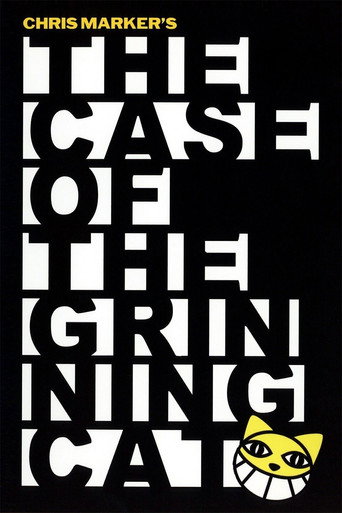
Chris Marker’s The Case of the Grinning Cat (Chats perchés) follows the appearance of the yellow M. Chat graffiti across Paris in the early 2000s, using it as a lens to reflect on art, protest, and politics in the post-9/11 era. Blending street imagery with footage of global and local unrest, the film serves as a playful yet pointed companion to Marker’s earlier A Grin Without a Cat.
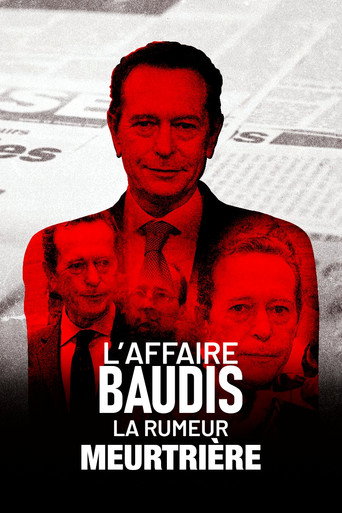
The Baudis affair, the murderous rumor
In 2002, serial killer Patrice Alègre was sentenced to life imprisonment for five murders. Gendarme Roussel, the main investigator of this case, believes that he will make him confess to other unsolved crimes in Toulouse. Two ex-prostitutes give a series of names of presumed accomplices of the killer, among them Dominique Baudis, then president of the CSA. He decides to face the case alone. Around him, it is silence: not an official support of his political family. Almost twenty years later, we return to the Baudis affair to try to understand it, with the testimonies of Pierre and Benjamin Baudis, his sons, François Hollande, Camille Pascal and the main protagonists.

Pas vu, pas pris
"Pas vu, pas pris" starts with a subject filmed 2 years ago ; ordered then forbidden to broadcasting by Canal + : it was "Pas vu à la télé". Bernard Benyamin, Henri de Virieux, Patrick de Carolis, Anne Sinclair, Charles Villeneuve (amongst others) appear before the candid camera of Pierre Carles, for once subjected to an investigation that concerns their profession. After proclaiming that there is no taboo subject on television, they discover a pirate document showing Étienne Moujeotte and François Léotard in a business discussion about the destinies of TF1. Question asked : would they have agreed to broadcast this document and if not, why not ? The investigation itself is objectively searching : anything can be said on TV except one thing, the more or less close collusion of journalists and the political powers. Pierre Carles gives us a sharp reflection on the scope of this "fourth power" that the media have become, and on the compromises of those who are its masters.
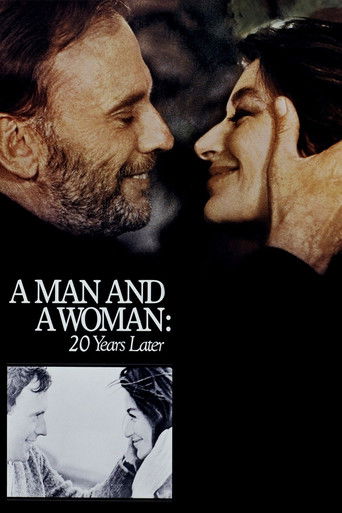
A Man and a Woman: 20 Years Later
Jean-Louis and Anne have had their fling and separated. Now 20 years have passed. He is still dating various women. She is now a big-time director whose most recent film was a very expensive bomb. She comes up with the idea of making a romance based upon her fling with Jean-Louis. She contacts him to gain his permission. Jean-Louis is still in racing and goes away for a desert rally while she begins filming. She finds the mood of their romance difficult to recapture in her film.
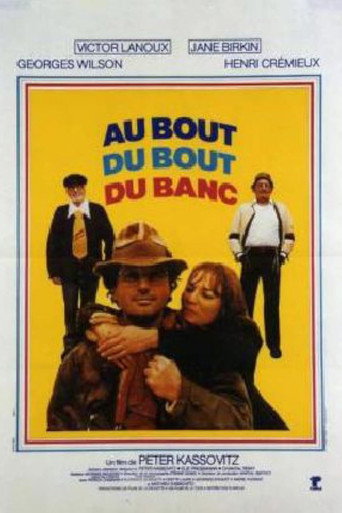
Make Room for Tomorrow
Four generations of Oppenheim men gather in Paris for Isaac's 90th birthday. He's "Romeo," still a lady's man, waiting to hear from a woman to whom he has proposed, threatening suicide if she says no. They gather at Isaac's grandson's, Ben, who lives with Peggy and their son Mathias who's 10. Joining them, from Israel, is Isaac's son Elie. Against a backdrop of Elie's attempts to call his ex-wife, Ben and Peggy's marital difficulties, Mathias's budding sexuality, everyone's love of chess and practical jokes, Ben's house (shifting dangerously on its foundation), and the twentieth-century struggles of the Jews, the film explores their relationships and Isaac's aging.
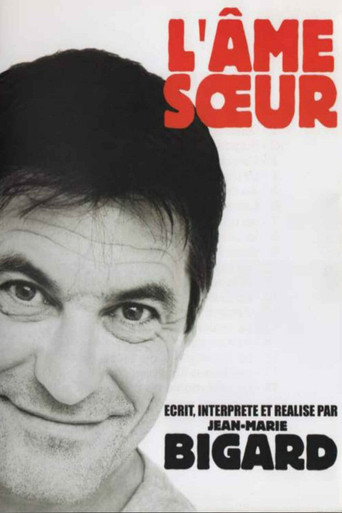
L'Âme sœur
Remi and Valentina are two angels who love each other for 2000 years. Old Balthazar does not let them meet in Paradise, so they meet in Paris. She is a Spanish rock star who gets assassinated. He works in the funeral home to which she is brought. One touch of Remi and she comes back to life, only to die again because she can't live in his absence.
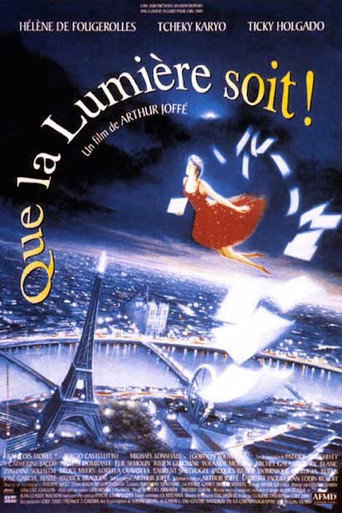
Let There Be Light!
God comes to Earth in order to make a film.
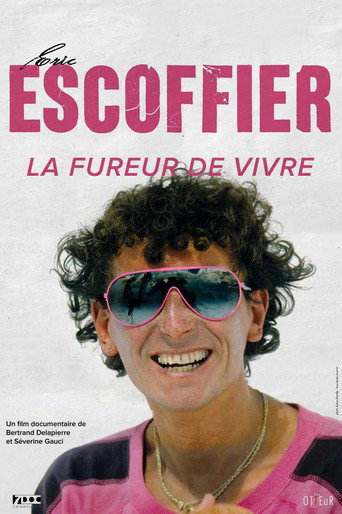
Eric Escoffier, la Fureur de Vivre
Gallery