Patrick Dewaere Movies, TV Shows, and Filmography
Patrick Dewaere
Acting
Biography
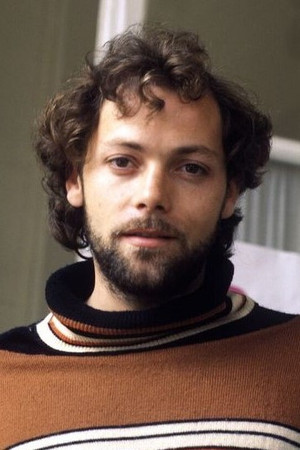
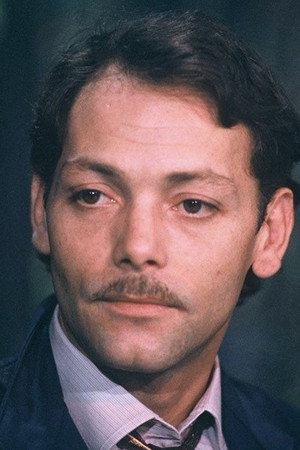
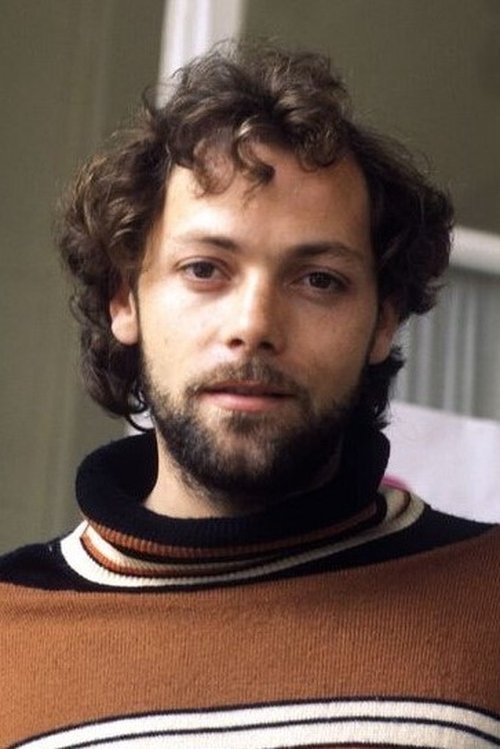
Patrick Dewaere (26 January 1947 – 16 July 1982) was a French film actor. Born in Saint-Brieuc, Côtes-d'Armor, he was the son of French actress Mado Maurin. An actor from a young age, his career lasted more than 21 years until his suicide in Paris, in 1982. Patrick Dewaere was the third child of an actor's family. His biological father, Michel Têtard, was a lyricist who had an affair with Dewaere's mother, Mado Maurin, who was married to Pierre-Marie Bourdeaux. Dewaere grew up believing Bourdeaux was his biological father. After Dewaere's parents divorced, his mother remarried Georges Collignon, who sexually abused Dewaere as a child. Under the direction of his mother, Dewaere, his four brothers and his sister performed in movies and television series. The family lived in Paris. Dewaere attended the Cours Hattemer, a private school. One of his first TV appearances was in 1961, when he was 14 years old. He appeared in a video for the song "Nuits d'Espagne" by Dalida. Later, he was a promising and popular French actor in the late 1960s and 1970s. At the age of 17, Dewaere learned that he was not the biological child of his mother’s ex-husband, Pierre-Marie Bourdeaux, but that of conductor and singer Michel Têtard. In 1968, he took the name of "Dewaere" which his maternal great-grandmother inspired him. A year earlier, he had met his first wife, Sotha, an actress who co-founded the Café de la Gare, an experimental theatre. They separated in 1970 but remained married for eleven years. From 1968, he collaborated with the Café de la Gare, where he met Miou-Miou and Gérard Depardieu, with whom he made a breakthrough after many secondary roles in various films, in the scandalous comedy Going Places. Miou-Miou became Dewaere’s companion and the mother of his daughter Angèle (1974). She left Dewaere for singer Julien Clerc, shortly before the shooting of F...like Fairbanks, in which both play a couple in separation. Patrick Dewaere became one of the most popular actors in French cinema in the 1970s. Between 1977 and 1982, he was nominated five times to the Césars in the "Best Actor" category, the most important award in France. In his work, Dewaere was restless and very conscientious, which may have caused his depressed mood. He also had serious drug problems, and it is known that he had been sexually abused as a child. He consolidated his status as a savage and ruthless actor in Alain Corneau’s cult film Série noire (1979). In his roles, Dewaere was long attached to the kind of young rebel. Only in his later films did his comic and dramatic diversity manifest itself. He often worked with director Bertrand Blier. In 1980, Dewaere hit a journalist who had announced against his will his union with Elsa Chalier. Subsequently, the actor was ignored by the French press, his name was even abbreviated with his initials (P.D). For eleven years Dewaere was married to French actress Sotha. In the early 1970s, he became the companion of French actress Miou-Miou, until they separated in 1976. They had one daughter. Shortly before the release of Paradis Pour Tous (1982), a black comedy where his character tries to commit suicide, the actor shot himself in his house in Paris. He was 35 years old. ... Source: Article "Patrick Dewaere" from Wikipedia in English, licensed under CC-BY-SA.
Filmography Movies
Acting
A Thousand Billion Dollars
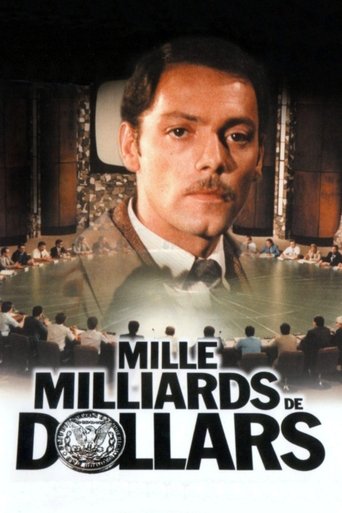
A young journalist uncovers an assassination disguised as a suicide, linked to an American multinational seeking to dominate French industries. Determined to expose the truth, he races against time to gather evidence before more lives—and his own—are at stake.

Going Places
Two whimsical, aimless thugs harass and assault women, steal, murder, and alternately charm, fight, or sprint their way out of trouble. They take whatever the bourgeoisie holds dear, whether it’s cars, peace of mind, or daughters. Marie-Ange, a jaded, passive hairdresser, joins them as lover, cook, and mother confessor. She’s on her own search for seemingly unattainable sexual pleasure.

Catherine & Co.
Catherine, a young British prostitute living in Paris, decides to start her own "company" after learning the basics of big businesscom from her clients. She encounters both interest and setbacks in her search for investors.
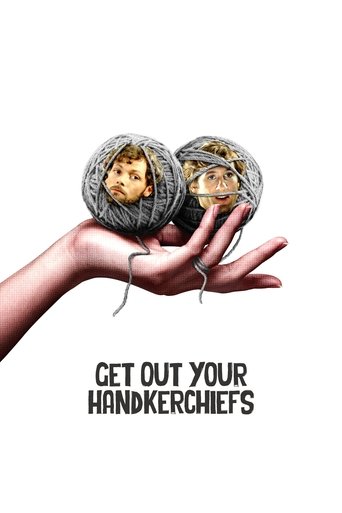
Get Out Your Handkerchiefs
Solange is seriously depressed, and her kindhearted husband, Raoul, makes it his mission to cure her doldrums. After many failed attempts to cheer her up, Raoul hits upon a possible solution: find his wife a lover. Unfortunately, his choice, Stéphane, proves to be just as ineffectual in restoring her flagging spirits. In the end, the gorgeous Solange finds her own, highly problematic tonic to her troubles in the form of a 13-year-old boy.
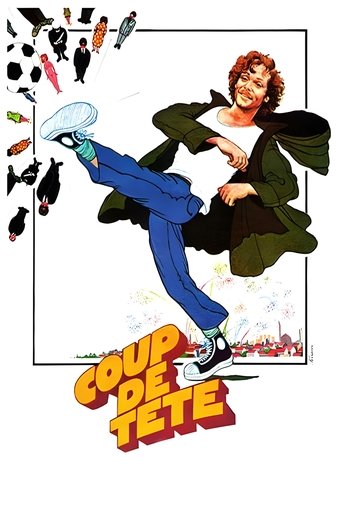
Hothead
François, a miserable football player, becomes a town hero after bringing victory in an extremely important game. He uses his fame for revenge on the team star for the previous mockeries.

The Married Couple of the Year Two
Nicolas Philibert goes to America after killing a French aristocrat. On his return he tries to divorce his wife, Charlotte, but when he sees others trying to woo her his own interest is rekindled.

Is Paris Burning?
Near the end of World War II, Gen. Dietrich von Choltitz receives orders to burn down Paris if it becomes clear the Allies are going to invade, or if he cannot maintain control of the city. After much contemplation Choltitz decides to ignore his orders, enraging the Germans and giving hope to various resistance factions that the city will be liberated. Choltitz, along with Swedish diplomat Raoul Nordling, helps a resistance leader organize his forces.

Beau Pere
Rémi is a man trapped in a deteriorating marriage. When his wife is unexpectedly killed in a car accident, Rémi is left with his stepdaughter, Marion, who chooses to stay with him rather than live with her birth father. After the initial shock passes, Rémi is caught off-guard when Marion begins expressing her attraction to him. Initially repulsed, Marion's mature beauty wears him down as he finally caves to her seductions.
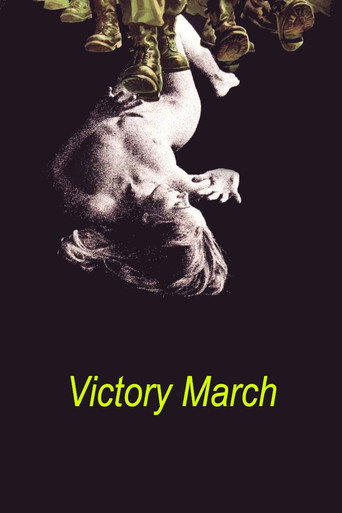
Victory March
The drawbacks and difficulties of military life are explored in this film. Paolo Passeri is a college graduate, somewhat spoiled, somewhat effete, who finds himself in an officer training program under the stern martinet, Captain Asciutto. He gradually becomes acclimated to the military mind-set, and when the Captain's wife decides to take a romantic interest in him, he does not report her dangerous peculiarities to anyone.
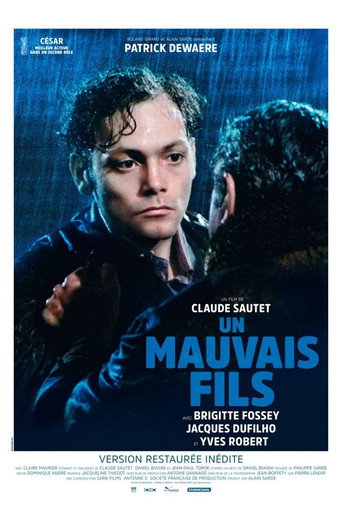
A Bad Son
Bruno is released from prison. He looks for a job and tries to start a new life. His first stop is at his father's apartment.
Production
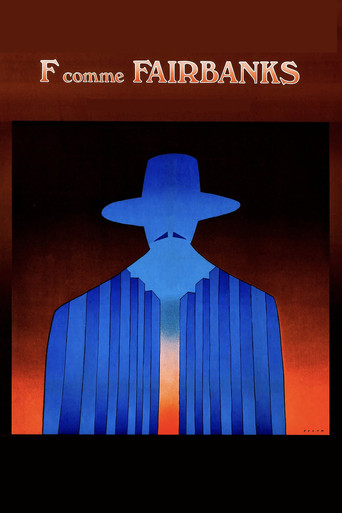
F as in Fairbanks
André Fragman, nicknamed "Fairbanks" after his childhood idol by his film projectionist father, returns home from military service. He meets and falls in love with Marie, an aspiring actress who is rehearsing for a stage production of 'Alice in Wonderland'. All his attempts to find a job and a way out end up in failure, his friends Étienne and Jean-Pierre are powerless to help him, and the dreamy yet desperate hero loses his mind.
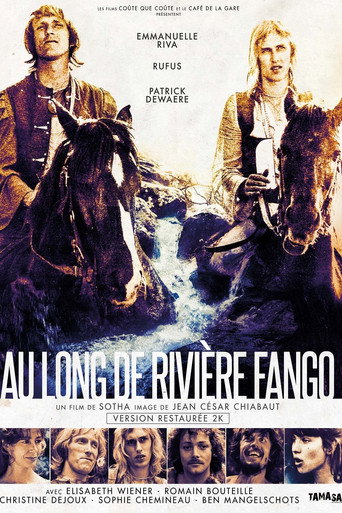
Au long de rivière Fango
Jérémie and Bild, two riders, arrive in a community that lives along the river Fango. It was Mathilde who founded her, a woman who left husband and baby to flee urban society. All live in happiness away from the world, without thinking either of work or money. Bild believes he is the child abandoned by Mathilde, while Jeremiah is attracted to his daughter, Maurine. When Bild dies, Jeremiah learns that he is the son of Matilda and that consequently Maurine is his sister. He takes to flight ...
Gallery