Patrícia Saramago Movies, TV Shows, and Filmography
Patrícia Saramago
Editing
Biography
No biography available.
Filmography Movies
Acting
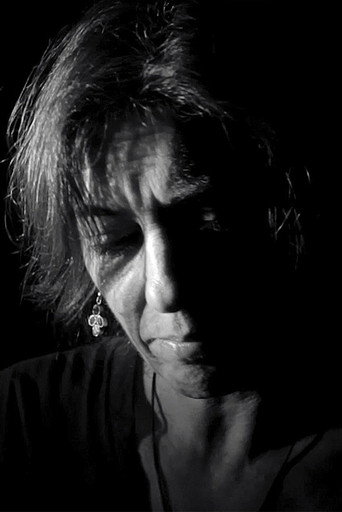
Boa Alma
Luís Mário Lopes wrote the solo A Boa Alma for Mónica Calle in 2015, based on the works of Bertolt Brecht marking the departure of Casa Conveniente from Cais do Sodré and their arrival in the new venue in zona J, Chelas. The original score is by JP Simões.
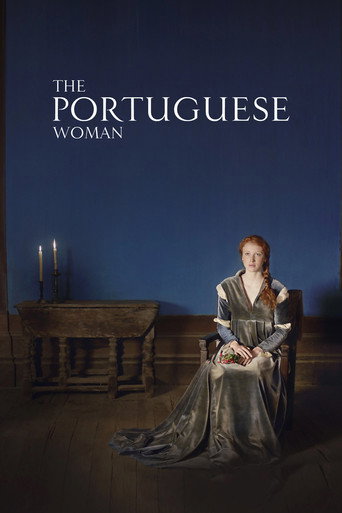
The Portuguese Woman
North of Italy, the von Kettens dispute the forces of the Episcopate of Trent. Herr Ketten seeks marriage in a distant country, Portugal. After their honeymoon journey back home, Ketten leaves again for the war. Eleven years elapsed… Rumours are running about the presence of that 'foreigner' in the castle. Some say she's a heretic. Until one day, the Bishop of Trento ends up dying and, with the signature of peace, falls the background of von Ketten's life. Will the Portuguese win, where death seems to be moving in?
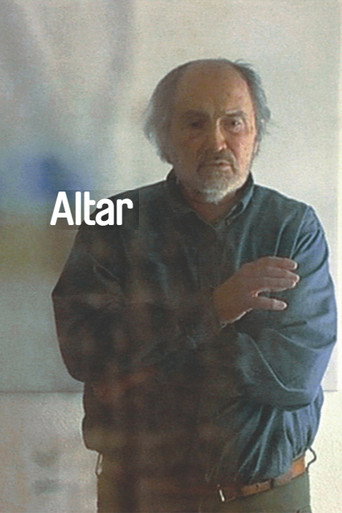
Altar
A widowed theater actor relives his memory of a young love.
Production
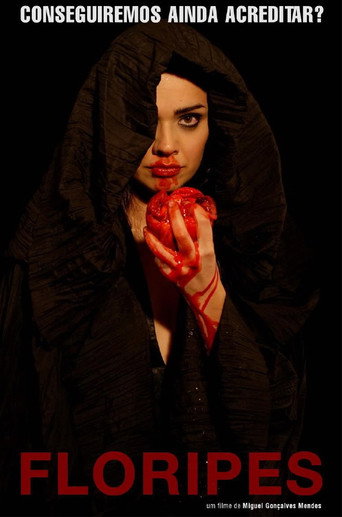
Floripes
The legend of Floripes, is about an enchanted moor of Olhão, in the Algarve. Enchanted moors are one of the cornerstones of Portuguese mythology. They are often seductive and being temptresses, they can offer a powerful reward, but also a terrible curse. Left in Portugal during the Reconquista while her family went back to North Africa, beautiful Floripes was condemned to roam her ancient kingdom in the Algarve until a man could undo her curse. Then she would marry him and give him her fabulous treasure. But if the man fails, she must eat his heart.
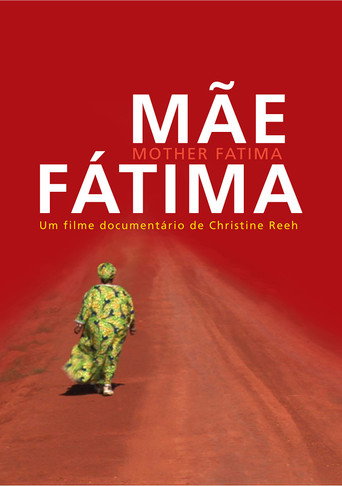
Mãe Fátima
This documentary follows a 70 years old, Angolan nurse on a nearly impossible humanitarian mission into her home country. In a southern region that was specially affected by the long lasting, recent civil war, the local hospital has to be restructured. At this place where accidental death, poverty and lack of hygiene continue to be a part of people's daily life, the subversive presence of mystical forces seem to reinvent the meaning of life.
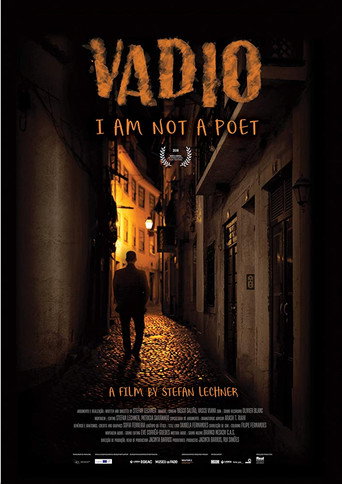
Vadio - I Am Not A Poet
Abandoning a life of petty crime, David strives to fulfill his life-long ambition to become a professional singer of Fado, Portugal's popular folk-song. Together with his best friend Adriano, he starts performing on Lisbon's Fado Vadio circuit to perfect his craft, but whilst Adriano's strong voice swiftly brings him paid gigs, David struggles. Vadio is a human portrait of redemption, perhaps unattainable through music but possible with poetry. Unfortunately, David doesn't want to be a poet. It is a love story for a bygone Lisbon and Fado, where people still find catharsis singing songs about their sorrows.
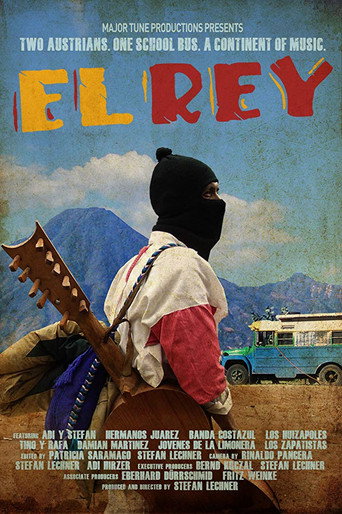
El Rey
Adi and Stefan go on an adventure through Latin America with only their guitars and an old school bus. Exposed to hardship and injustice they discover that music transcends all.
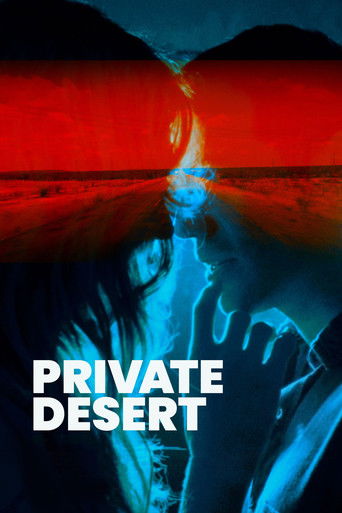
Private Desert
40-year-old Daniel has been suspended from active police work and is under internal investigation for violence. When Sara, his internet love affair, stops answering his texts he decides to drive north in search of her, starting on what is apparently a fool's errand. He shows Sara's picture around, but nobody seems to recognize the woman. Until eventually one guy pops up, saying he can put the two in touch under very specific conditions.
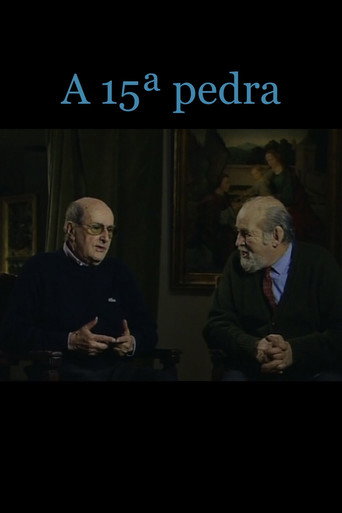
The 15th Stone
Joáo Bénard da Costa, director of the Portuguese National Film Archives [deceased in 2009], interviews the dean of contemporaneous film directors [96-years-old then]. Two humanists of different philosophical backgrounds, both with their long, entire lives dedicated to culture in general (music, painting, literature) and to film in particular, discuss freely, sometimes haltingly, the director's power as a creator or a magician, the philosophy beyond particular scenes in classic movies, film technique, the importance of color, sound and music to films, art versus entertainment, and much more. Their talk takes place in a museum room, seating in front of "The Annunciation" (a 1510 oil painting by João Vaz, a Portuguese artist), which eventually leads to a discussion of 'Leonardo da Vinci', and the relationship between a trend-setter master and his disciples.
6 Bagatelas
Six unused scenes from Where Does Your Hidden Smile Lie? One of the more priceless of the “bagatelles” in this collection features a lounging Jean-Marie Straub who gives a non-stop disquisition on liberty and filmmaking while Danièle Huillet busies herself with laundry, and their dog Melchior frisks in and out of frame. —Cinematheque Ontario
I Was in Lisbon and Remembered You
"In the beginning of this project, I wanted to do a documentary film based on this book by Luiz Ruffato. However, I ended up doing a feature film with many links to documentary. I wanted to know what made Brazilians want to emigrate to Portugal. I chose working with amateur actors and non-actors in both cities, so their own life stories and experiences could be in the film. I did the other way round from the writer. He found these people and made them characters of his book. I looked for people who had similar stories to those described in the book, and made them characters of my film. When I read the book, I was seduced by its "false documentary" characteristic. The book was all written as if it was the transcription of an oral interview the writer had done in Lisbon. I decided to keep this narrative in the film, by a narration with the main character talking to the camera. It's a film about emigration. About dreams and disappointments," says Barahona
In Vanda's Room
An unflinching, fragmentary look at a handful of self-destructive, marginalized people, but taking as main focus the heroin-addicted Vanda Duarte.
A Casa Esquecida
Ivo and Tomás, two volunteered vagabonds who feed their souls of ways and great winds. From time to time they make a stop, renting their arms, the necessary time to be able to, provisions made, get on the road again. Once, with the sun at its peak and a burning heat, the desert that they are crossing seems to be endless. They run out of water… in the end of the day, without any strength left, they let themselves fall near to a dried bush. Ivo stares at the moon rising, as is saying farewell and whispering verses of a poem of a lawyer they’ve met before. It is then that he sees a far light. They set their way to that house…