Pascale Audret Movies, TV Shows, and Filmography

Pascale Audret
Acting
Biography
Pascale Audret (12 October 1935, Neuilly-sur-Seine – 17 July 2000) was a French actress who was most active during the 1950s through the 1960s. While she starred in over 25 films between 1955 and 1968, her success never crossed over internationally. Her career in film, television, stage and music stayed in France. One of her most high-profile films came when she starred opposite Orson Welles in the 1961 film La Fayette. The following year she starred in Give Me Ten Desperate Men, which was entered into the 12th Berlin International Film Festival. Audret was born as Pascale Aiguionne Louise Jacqueline Marie Auffray to Henry Auffray, an industrialist, and Amyelle de Caubios d'Andiran, a musician, second cousin of the French author François Mauriac (respectively by their maternal grandfather and maternal grandmother). Her brother is singer Hugues Aufray. Audret was married twice, first to actor Roger Coggio and later to music producer Francis Dreyfus. It was her second marriage that produced her daughter Julie Dreyfus, an actress who co-starred in Quentin Tarantino's Kill Bill & Inglourious Basterds. Audret put her career on the back burner after the birth of her daughter Julie in 1966. Audret died in a road accident in 2000, aged 64. She was in the passenger seat of a car being driven by her companion. Source: Article "Pascale Audret" from Wikipedia in English, licensed under CC-BY-SA 3.0.
Filmography Movies
Acting
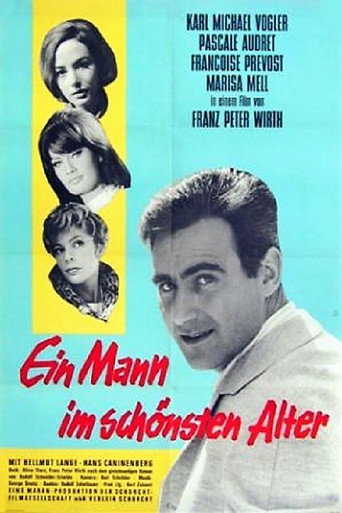
Ein Mann im schönsten Alter
Richard Mertens, a successful magazine editor with a cold, empty marriage to Lucy, seeks excitement through an affair with younger colleague Eva. Yet his need for status traps him in superficiality, undermining genuine connection. A legal battle with old friend Ferrow, won through perjury, reveals Mertens’s moral emptiness, shattering his relationship with Eva. Alone, he finds solace only in listening to bartender Brigitte.
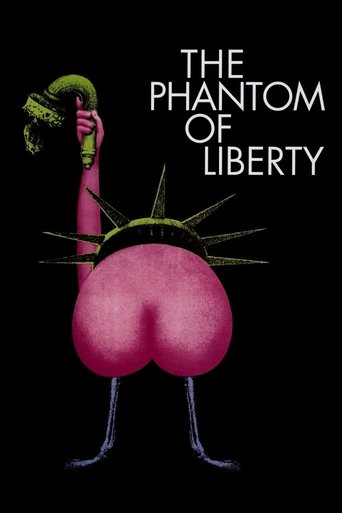
The Phantom of Liberty
This Surrealist film, with a title referencing the Communist Manifesto, strings together short incidents based on the life of director Luis Buñuel. Presented as chance encounters, these loosely related, intersecting situations, all without a consistent protagonist, reach from the 19th century to the 1970s. Touching briefly on subjects such as execution, pedophilia, incest, and sex, the film features an array of characters, including a sick father and incompetent police officers.
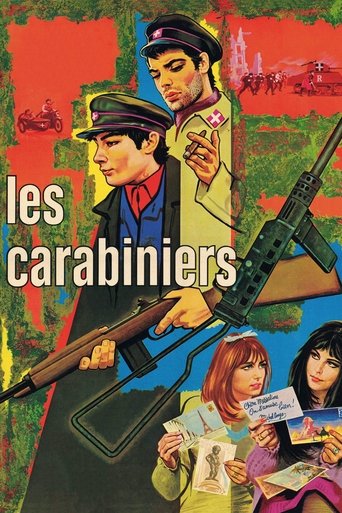
The Carabineers
During a war in an imaginary country, unscrupulous soldiers recruit poor farmers with promises of an easy and happy life. Two of these farmers write to their wives of their exploits.
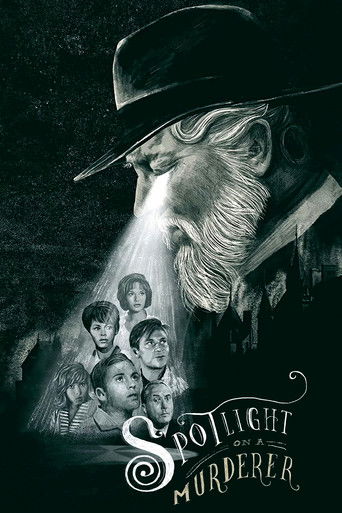
Spotlight on a Murderer
An old count hides just before he dies to annoy his heirs. The heirs search a manor for the count's body and are killed off one by one. Jean-Marie, his fiancée Micheline, and Edwige investigate the deaths and search for the count's body.

Lafayette
The story of Lafayette, the 19 year old pacifist who takes the side of the Colonials during the American war of Independence.
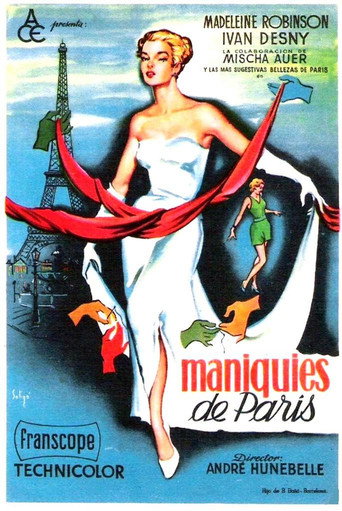
Mannequins of Paris
Véronique Lanier runs one of the most highly rated haute couture houses in Paris. Her first partner is her husband Pierre, who has left aside a promising artist career to design the styles which make their firm a success. The trouble is that Véronique lives only for her job and does not allow herself -and her husband for that matter - a moment's respite. In Cannes, Pierre meets Wanda, a young singer with strange, fascinating eyes. The frustrated husband falls for her but gradually realizes that the light mercurial creature cannot possibly fulfill him. Véronique, feeling miserable, understands she is on the wrong track. She promises Pierre that she will make efforts to reconcile work and married life. Véronique and Pierre will live and work together again, each one forgiving the other for their faults.

Cinq-Mars
In the 17th century, under Louis XIII, the policy of Cardinal de Richelieu aimed at the definitive establishment of a monarchic power, and gave rise to a struggle against the great feudal lords, who favored a weak central power. Numerous conspiracies against the Cardinal were led by the high nobility. The one led by Henri Coiffier de Ruzé d'Effiat, marquis de Cinq-Mars, was the last and most famous of them.
Simone
The love affair involving the beautiful Simone and the younger Françoise, coming from a frustrated suicide attempt.
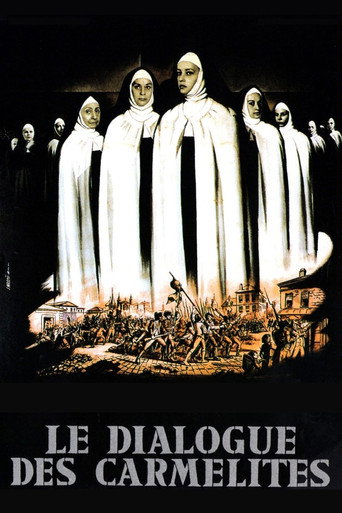
The Dialogue of the Carmelites
This drama about the Carmelite order of nuns is set during the French Revolution. A young woman seeks refuge with the Carmelites because she is terrified of dying during the upheaval. The longer she associates with the nuns the more she is transformed by their faith and devotion.
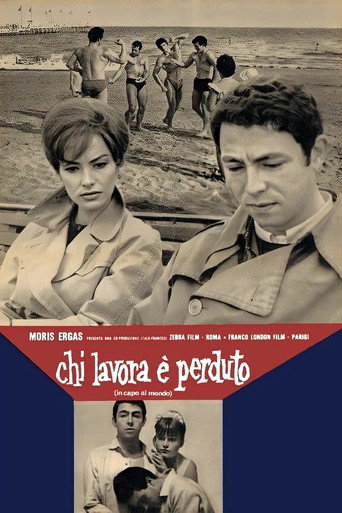
Who Works Is Lost
Bonifacio is 27 years old and he is roaming about Venice. He is trying to decide whether to accept a job or not. In so doing, he recalls all his past life: his love story with Gabriella, his old friend Claudio, who had always regarded working as a worthwhile thing, the war, the partisans.
Gallery