Directing
No biography available.
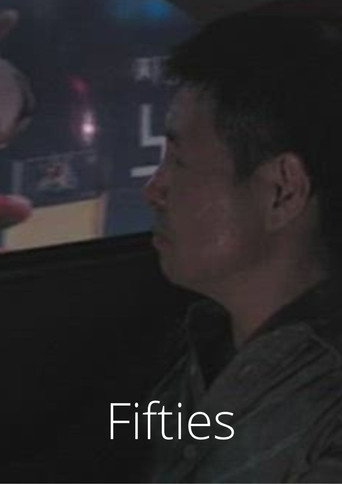
I am in my fifties. One day, I ask me a fundamental question, "Who am I?". To find an answer, I go to see my friends.
Prominent film critic Tony Rayns has long been a supporter of Korean cinema. This film illustrates Rayns’ affection for Korean cinema through interviews of Korean cineastes that have a special affinity for him, including JANG Sun-woo, LEE Chang-dong and HONG Sang-soo among others.
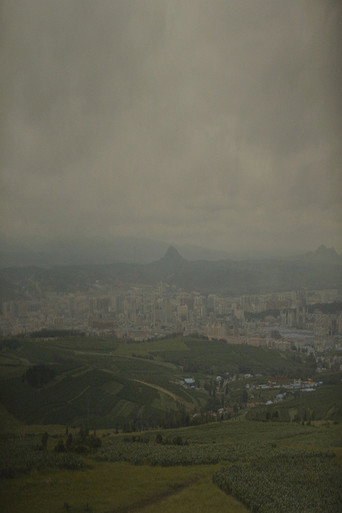
Yeongil is the main city for China's two million Korean population. A documentary depicts a dark side of capitalism amongst the mixed up Koreans, North Korean defectors and Korean Mongolians.
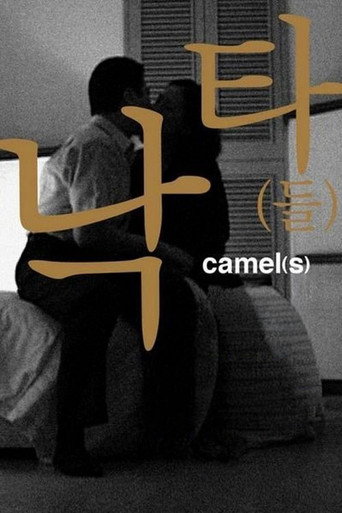
A man in a borrowed SUV picks up a woman outside Seoul’s domestic airport and drives her to a small enclave of restaurants, nightclubs and motels on the west coast. Both are middle-aged and married to other people, and know little about each other’s lives. After a seafood dinner and a visit to a karaoke lounge, they go to bed together for the first (and maybe last) time.
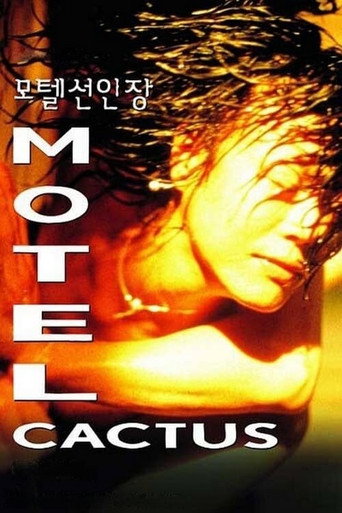
The film consists of four episodes, all of which take place in Room 407 of Motel Cactus, a love hotel in Seoul.
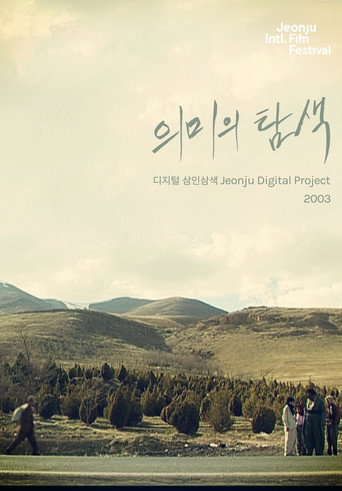
Akihiro, who lives in an old apartment building in Tokyo, makes songs and sings on the streets; Fei, a street musician who makes a living making a living by making the Iranian traditional instrument 'Daf', but does not neglect to play every night; A film director who travels around Seoul with a digital camera .
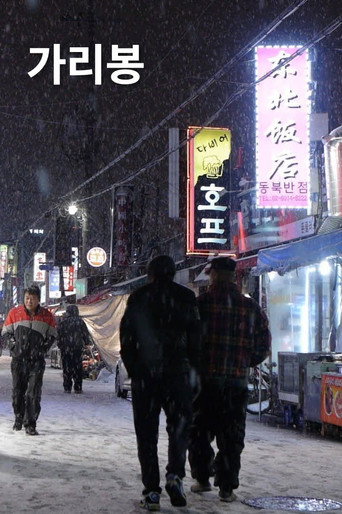
This documentary film is about immigrant workers who live in Garibong-dong. The place is packed with desire, frustration and silence drawn by them. The camera lingers on them closely, but indifferently.
A college student trudges to the home of a student she tutors. When she arrives, the home is empty and the family tells her over the phone that they’re on vacation. Filmed in real time, the film lets us experience everything just as she does. And something horrible awaits.
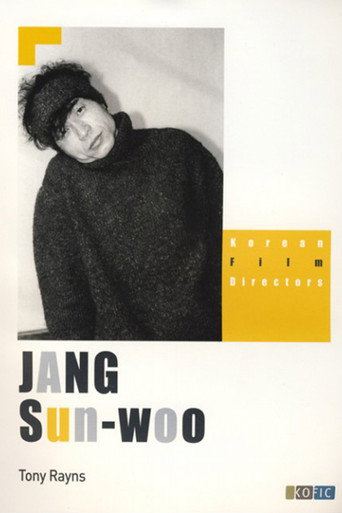
Divided into chapters, the documentary examines Jang's career and films from many different angles and includes the voices not only of those who have worked with Jang but also of numerous ordinary Koreans who have been affected by his work. Individual chapters are devoted to such topics as Jang's idiosyncratic hairstyle and the controversy surrounding his previous feature Lies. The documentary tries to place Jang and his work in the widest possible social context, not only in the context of Korean cinema. At its heart is a series of remarkably candid and revealing interviews with Jang himself.