Acting
No biography available.
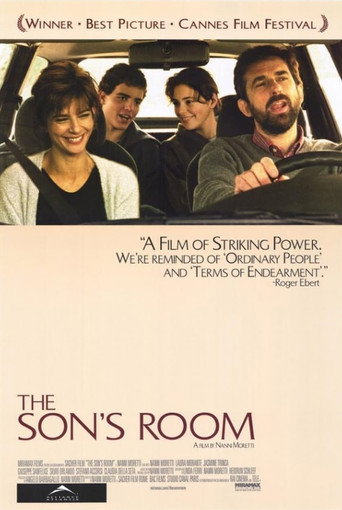
A psychoanalyst and his family go through profound emotional trauma when their son dies in a scuba diving accident.
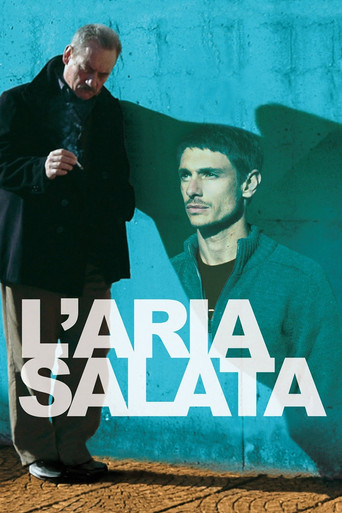
An embittered penitentiary social worker receives an unwelcome blast from the past when the case file of his father, a convicted murderer who has been emotionally broken by prison life, lands on his desk.
When Jan decides to marry his girl-friend Sara, he is not aware of his opponent: her father, who is an Italian.
In a not so fictional Italy trying to solve the N.Ε.Ε.Τ. problem, the government decides to reintroduce compulsory conscription for one million young people under 30 who are not studying, working or looking for work, who will have only one month to find real employment and thus avoid the entire year of conscription. Facing this doom four guys try to cheat the system by growing hemp and meanwhile really discovering themselves.
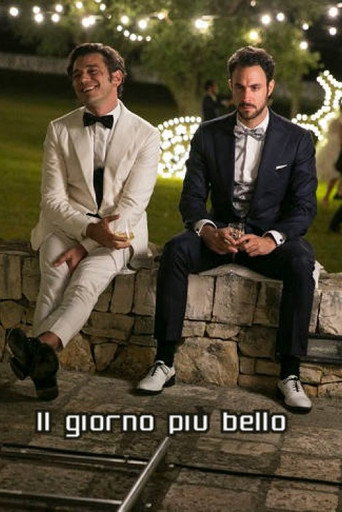
Andrea and Filippo love each other and have been together for many years, which is why Andrea thinks the time has come to get married and registers a request with the municipality with his own name, as if it were that of a woman: Mrs. Andrea Viglione. Being civilly united with Filippo is not enough for him, he wants marriage. He doesn't know, however, that many issues will have to be resolved before that day. First of all, Filippo doesn't find the courage to tell his father and grandfather that he is gay. But Filippo isn't the only one who doesn't have the courage to tell the truth in his family. Also Anna, Andrea's mother, who has rebuilt her life in the United States is unable to tell her husband Anthony and her son Jimmy that Andrea is gay. Especially since Anthony is running for governor of Kansas for the conservatives and his son Jimmy, while still a child, is already a talented evangelical preacher of strict principles.
Set against the backdrop of the succession of Queen Elizabeth I, and the Essex Rebellion against her, the story advances the theory that it was in fact Edward De Vere, Earl of Oxford who penned Shakespeare's plays.
Plagued by financial problems, ne'er-do-well Guido ends up in jail after faking an armed robbery at his workplace. A year later, just a few days before his release, he's forced by two dangerous inmates to take part in their jailbreak. On the run, Guido sets out to find his partner Antonella, who helped him with the robbery and still has the money.
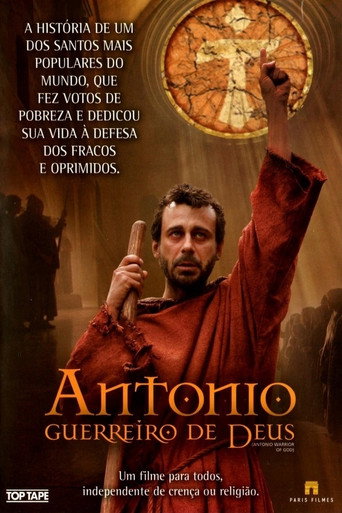
The life of Anthony of Padua (1195-1231) from his arrival on Sicily's shores via shipwreck in 1221 to his death. He's a Portuguese monk who, once in Italy, seeks out St. Francis. Anthony's gift as a great preacher is discovered by happenstance. He spends much of his life in and near Padua, a city run by usurers. Anthony offers protection and friendship to Folco, at one time a petty criminal and acolyte to the usurers, later falsely accused of murder. Anthony's teaching and his spiritual strength lead to changes in the character of Padua and an end to usury. He became its patron Saint soon after his death, and 32 years later, his casket is opened and his tongue remains intact.
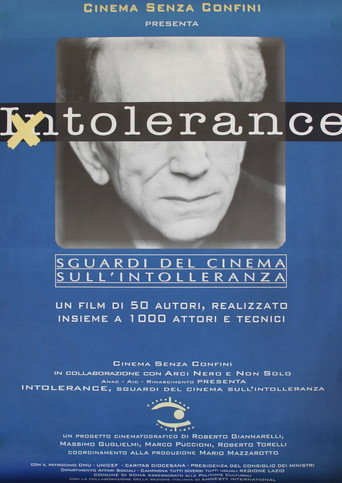
A collective cinematic project to promote tolerance and the value of diversity.
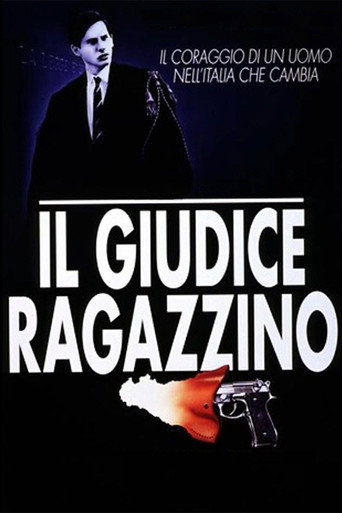
The true story of Rosario Livatino, a young judge in Sicily in the early 1980s, who have been nicknamed 'The Boy Judge' from the President of the Republic. He's strictly incorruptible, working hard and refusing even to shake hands with suspects. He then starts a number of investigations that lead him to touch the mafia power in the area, and then to personal war with the hidden organization.
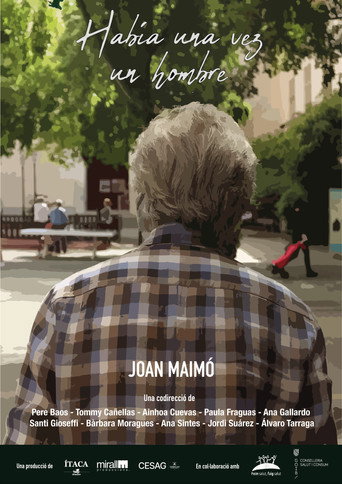
Joan is a middle-aged man who, after a series of symptoms, discovers he has Parkinson's disease. Tremors in his hands and a sense of loss of control take over the protagonist. Over time, the tremors become more frequent and intense. In “Había una vez un hombre” we follow Joan on an emotional journey as he struggles to come to terms with her new reality and faces the physical and emotional challenges that the disease brings.