Directing
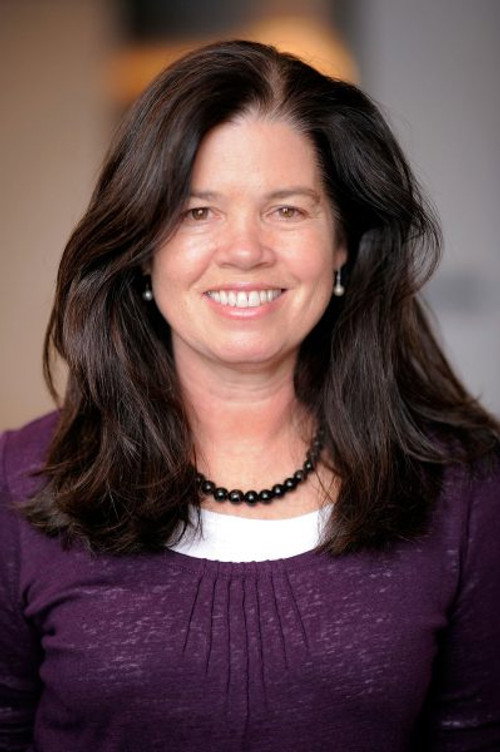
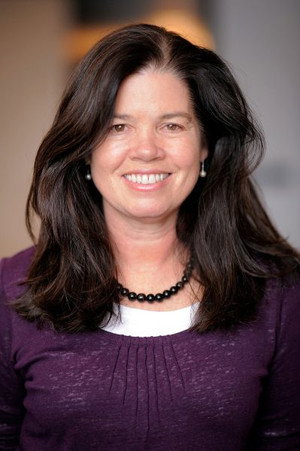
Pamela Yates is an American documentary filmmaker and human rights activist. She has directed films about war crimes, racism, and genocide in the United States and Latin America, often with emphasis on the legal responses.
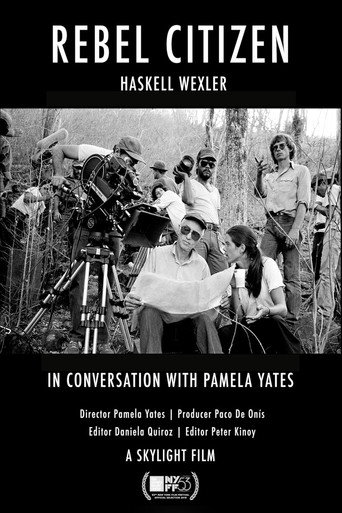
What began as a video master class evolved into a film about the political documentaries of Oscar-winning cinematographer Haskell Wexler. Comprised of footage from his films as well as interviews, the film is an intimate portrait of the genius behind the camera.
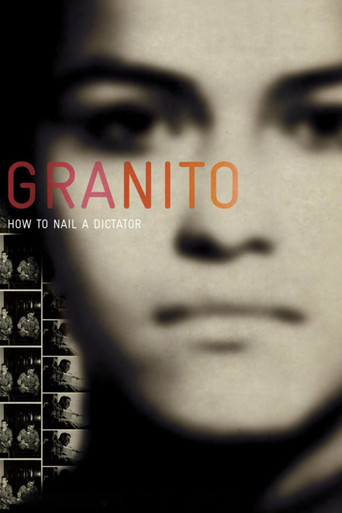
A story of destinies joined by Guatemala's past, and how a documentary film intertwined with a nation's turbulent history emerges as an active player in the present.
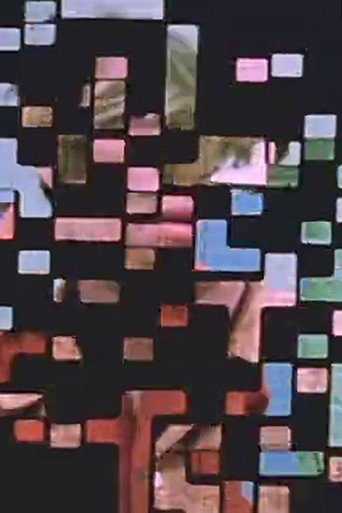
This film is a scrambled narrative that illustrates, in soap opera fashion, life of artists in Lower Manhattan and at the same time dramatizes questions about the nature of filmic representation. Split decision is a boxing term used when the judges divide their votes in finding a winner. In this case the fight is between the two heroes of the film who are seen intermittently in a bar, negotiating a pick-up, and at home, breaking up in a domestic quarrel. The fight is also in the telling, between modes of conventional representation and modes of radical representation - between conventional continuity editing, and abstraction created through computer generated grids. The film features an appearance by Carolee Schneemann and digital imaging from before the era of personal computers.
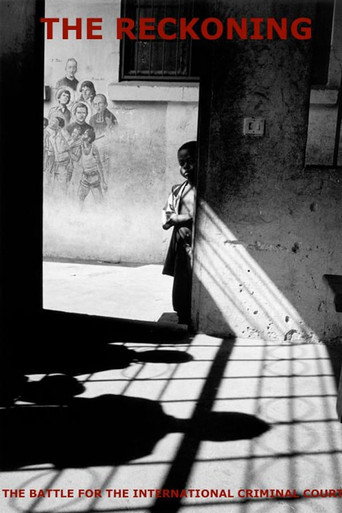
Late in the 20th century, in response to repeated mass atrocities around the world, more than 120 countries united to form the International Criminal Court (ICC)—the first permanent court created to prosecute perpetrators (no matter how powerful) of crimes against humanity, war crimes, and genocide. The Reckoning follows dynamic ICC Prosecutor Luis Moreno Ocampo and his team for 3 years across 4 continents as he issues arrest warrants for Lord’s Resistance Army leaders in Uganda, puts Congolese warlords on trial, shakes up the Colombian justice system, and charges Sudan’s President Omar al-Bashir with genocide in Darfur, challenging the UN Security Council to arrest him. Building cases against genocidal criminals presents huge challenges, and the Prosecutor has a mandate but no police force. At every turn, he must pressure the international community to muster political will for the cause.
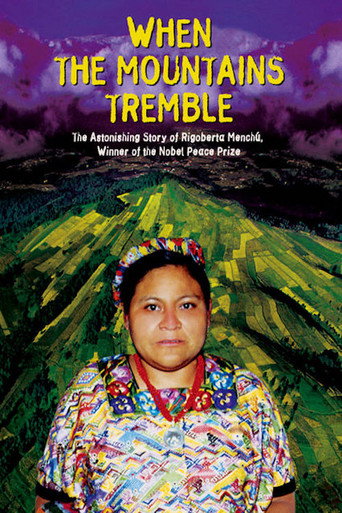
A documentary on the war between the Guatemalan military and the Mayan population, with first hand accounts by Nobel Peace Prize winner Rigoberta Menchú.
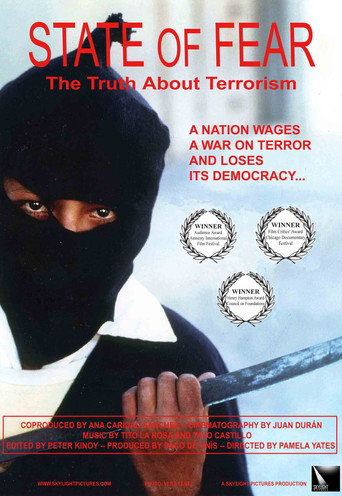
STATE OF FEAR takes place in Peru, yet serves as a cautionary tale for a world engaged in a "global war on terror." It dramatizes the human and societal costs a democracy faces when it embarks on a "war" against terror, a "war" potentially without end, all too easily exploited by unscrupulous leaders seeking personal political gain.
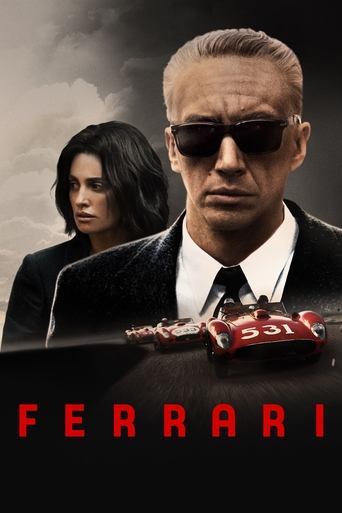
Set during the summer of 1957. Ex-racecar driver, Enzo Ferrari, is in crisis. Bankruptcy stalks the company he and his wife, Laura, built from nothing ten years earlier. Their tempestuous marriage struggles with the mourning for one son and the acknowledgement of another.
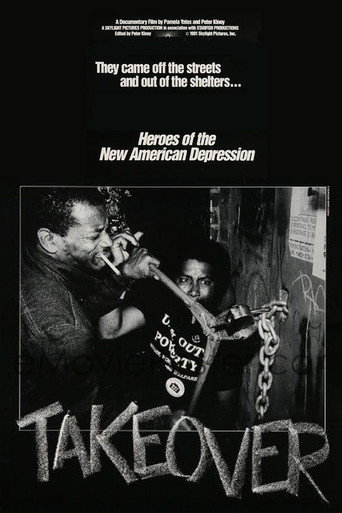
Filmed across eight U.S. cities on May 1, 1990, the documentary follows homeless activists who simultaneously occupy vacant federally owned houses to protest the lack of affordable housing. Organized with the National Union of the Homeless, the coordinated action challenges government housing policies while documenting the movement from the participants’ perspective.
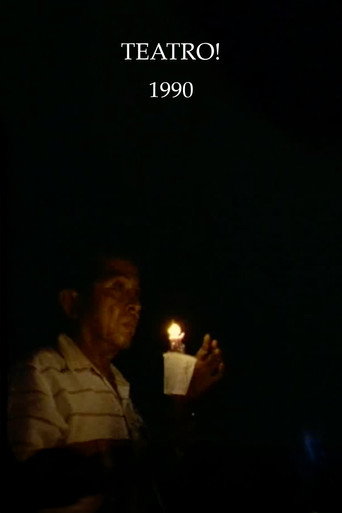
Founded by a Jesuit priest from St. Louis, a grassroots theatre company takes its shows on the unpaved roads of Honduras to enlighten and inspire villagers in the impoverished countryside.