Acting
No biography available.
An aging, decadent landlord’s passion for music becomes the undoing of his legacy as he sacrifices his wealth in order to compete with the opulent music room of his younger, richer neighbour.
Bou Thakuranir Haat is a Bengali drama film directed by Naresh Mitra based on a novel of Rabindranath Tagore in the same name, published in 1883. The film is based on the real-life story of Jessore Raj Pratapaditya. Pratapaditya is described as an antagonist more than a protagonist in this film.
The owner of Annapurna boarding house facing an upcoming trouble for let in a girl in the boys hostel.
A lonely girl faces several odds in society after her mother's death. Later, she gets attracted to a witty man, who decides to marry her.
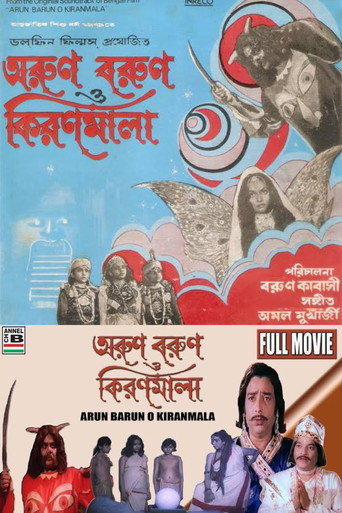
Three orphans Arun, Barun and Kiranmala set out to search for their parents. While doing so, they face many challenges but receive help from the fairy spirits.
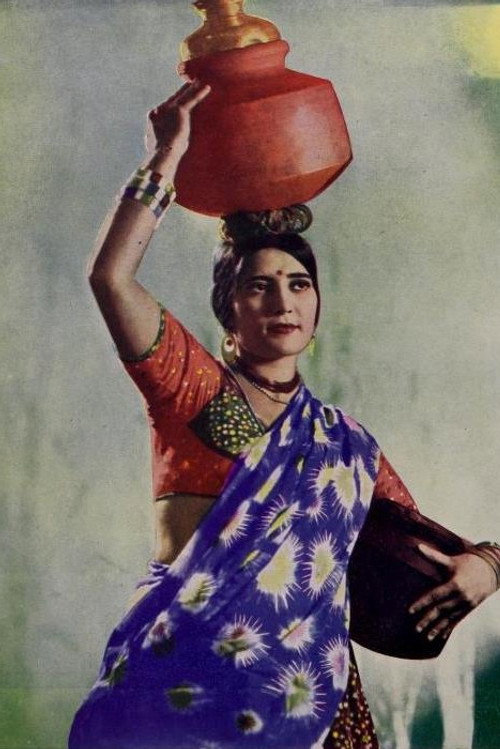
Kisan Kanya is a 1937 Indian Hindi-language film directed by Moti Gidwani and produced by Ardeshir Irani under the banner of Imperial Pictures. Made using Cinecolor, the film is based on a novel by Saadat Hasan Manto that highlights the struggles of poor farmers. The film is historically significant as India’s first indigenously made colour film. While V. Shantaram's Sairandhri (1933) featured scenes in colour, it was processed and printed in Germany, distinguishing Kisan Kanya as the first colour film entirely produced within India.
A married couple is overcoming social challenges and obstacles, with fate playing a pivotal role in their decisions.
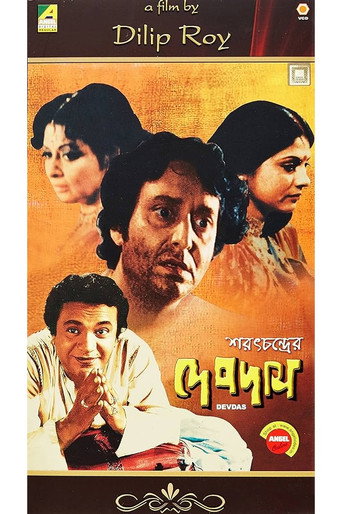
The scion of a wealthy landowner family turns to alcohol and self-pity and slowly self-destructs after class differences force him to break off his relationship with his childhood sweetheart.
Feeling lonely after his father's death, Chandranath meets and falls in love with a poor widow's daughter during his travels. Later, secrets from her past come to haunt him.
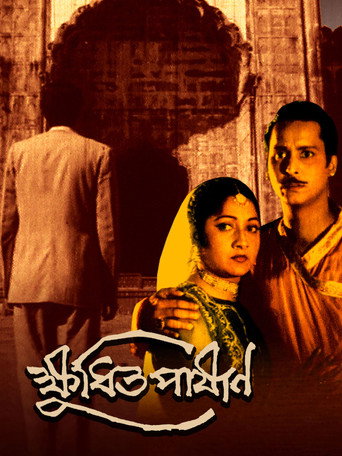
A tax collector posted to a small town puts up at a mansion feared by the locals because it is haunted. As time passes he grows more consumed by the mansion and its air of romance, and the spirits that haunt it, especially a beautiful woman. Adapted from a Rabindranath Tagore story.