Pablo Striano Movies, TV Shows, and Filmography
Pablo Striano
Acting
Biography
No biography available.
Filmography Movies
Acting
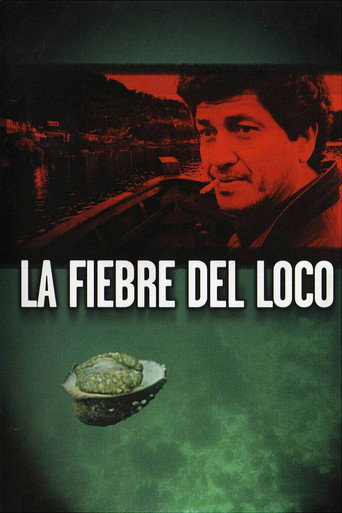
Loco Fever
When the Chilean officials lift the ban on harvesting the shellfish "el loco" (which purportedly is an aphrodisiac) in the seaside village of Puerto Gala greed and lust take hold. Greed is embodied by Carlos Maldonato, "El Canuto," who attempts to buy all of the shellfish for a Japanese company, and by a traveling band of prostitutes that accompany the influx of fishermen. El Canuto also wrangles to get into good stead with an old flame, Sonia, who is now the proprietor of "La Pincoya," a local restaurant. But "el loco" proves more effective, and more damaging, than anyone could have guessed.
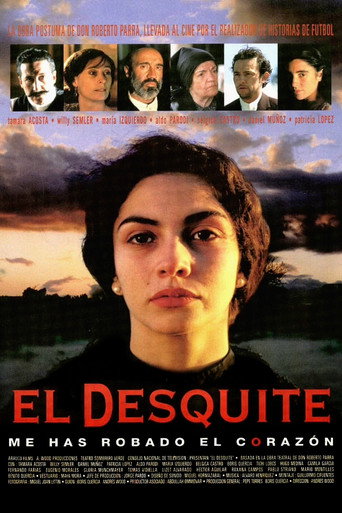
Revenge
A small house is devastated by the irrepressible force of the Ñuble river. Anita is rescued from the riverbank while her parents disappear into the water. She is given in adoption to her godparents, who can not keep her, they turn her over to a large hacienda in the area, where the little one will be the companion of the sickly patron, Lucia. When the owner of the hacienda dies, Anita, disregarding the advice of the other servants, stays to serve the boss, Don Pablo. She is already a woman and he is a single man. A strong attraction emerges between the two. This sad story of love and revenge as strong and uncontrollable as the overflowing waters of the Ñuble River.
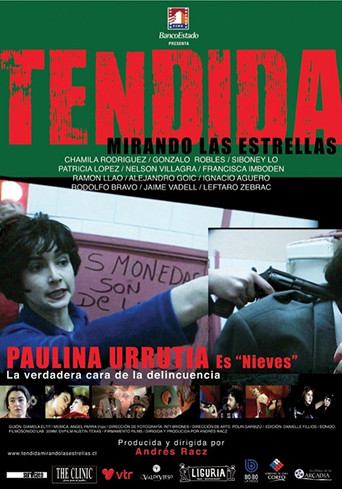
Tendida mirando las estrellas
Nieves has murdered the man who was tried to rape his younger brother. Sentenced to five years in prison, she is immersed in a hard and marginal world, she does yearns to one day being released and fulfill her lifelong dream: to know the flowery desert in northern Chile. When an oversight of her captors allows her to flee, her dreams will have to wait still. She dedicates herself to managing a nightclub where her former jailmates prostitute themselves.
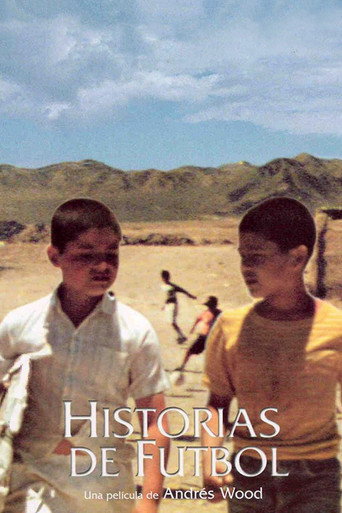
Soccer Stories
Three vignettes about the lives of young Chileans and their passions and frustrations over one of the century's most important rituals: football.

B-Happy
A determined teenager must rely on her own wits when her fractured family abandons her.
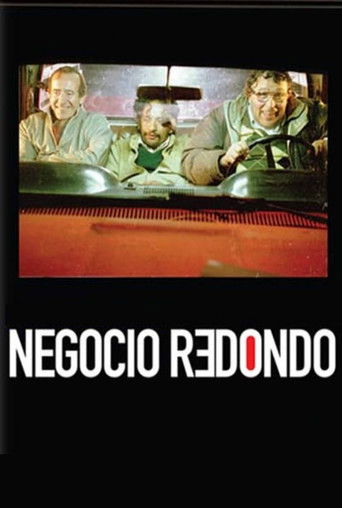
A Sure Deal
After a long absence, Negro Torres returns to his hometown, in Cunco, to attend his mother's funeral. There, his old cronies propose him to set up a business to buy seafood and then sell them. After improvising the preparations and returning to the town with the seafood, they face a big surprise
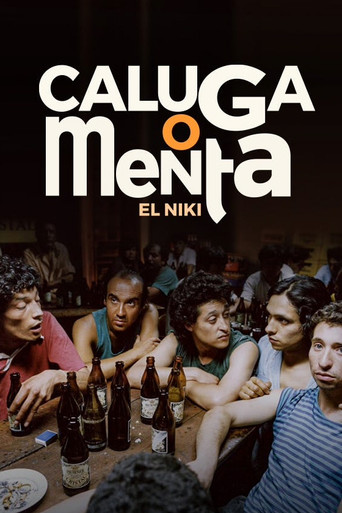
Caluga o Menta
Niki and his friends are members of the marginalised underclass living on the outskirts of Santiago. During Chile's transition from dictatorship to democracy (1988-1990), they forge a path from drug- and drink-fuelled nihilism and petty crime into the world of market-driven illegality and Niki begins a seemingly predestined relationship with the middle-class "loca", Manuela. Memorable episodes and characters, quotable dialogue and a mix of earthy national portrait and surrealistic flourish make this one of the key Chilean films of the Nineties.

The Summit
At a summit for Latin American presidents in Chile where the region's geopolitical strategies and alliances are in discussion, Argentine president Hernán Blanco endures political and family drama that will force him to face his own demons.
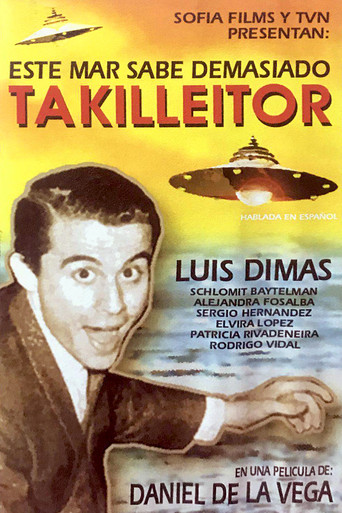
Este mar sabe demasiado, Takilleitor
The successful singer Luis Dimas goes along with his driver, known as Takilleitor, touring the cities of Chile. They are joined by two former agents of the Central Nacional de Informaciones (CNI), Chile's national intelligence service during the dictatorship of Augusto Pinochet, who are chasing a kind of wooden parrot containing a supposed political message.
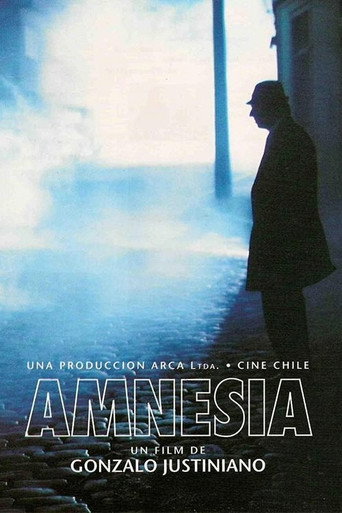
Amnesia
Dreaming of a better life, a young woman leaves her country home and moves to the city where she only finds trouble.