Pablo Ramos Movies, TV Shows, and Filmography
Pablo Ramos
Directing
Biography
No biography available.
Filmography Movies
Acting
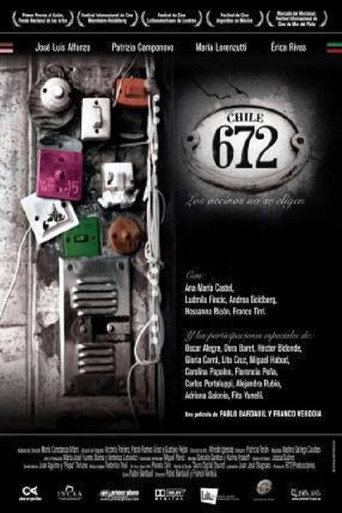
Chile 672
Tells the hectic life of four residents of the same building in a neighborhood of Buenos Aires.
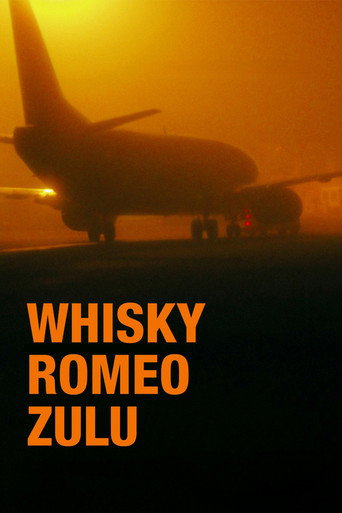
Whisky Romeo Zulú
Whisky Romeo Zulu tells the story prior to the crash of LAPA Boeing 737 that on August 31, 1999, caught fire after hitting an embankment in the center of Buenos Aires, killing 67 people. The disaster changed the history of civil and commercial aviation in Argentina, and the film recounts, from the standpoint of the director, a former airline pilot-how in some countries the safety of the flight is incredibly precarious.
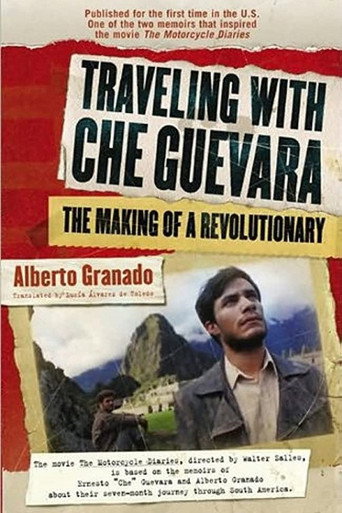
Traveling with Che Guevara
In 1952, Ernesto Guevara, then a medical student aged 23, and his friend Alberto Granado, a biologist of 29, began a long journey through the South American continent. During their tour, which began with an old motorcycle to continue after hitchhiking, they witnessed the harsh living conditions of the population of the countries they travelled. Guevara, soon to be known as Che, recorded his impressions in a diary. In 2002, the Brazilian director Walter Salles began shooting a film about that odyssey, "The Motorcycle Diaries". This documentary follows the making of that movie in detail, incorporating interviews with various participants.
Production
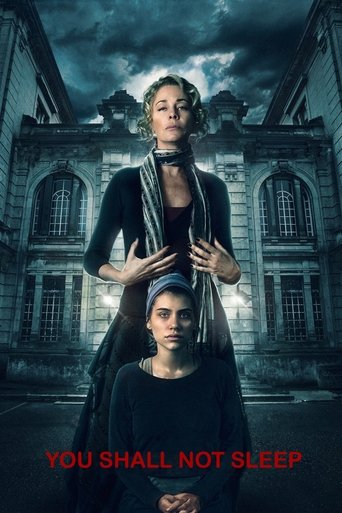
You Shall Not Sleep
In an abandoned psychiatric hospital, a theatre group experiments with insomnia for the preparation of a stage play. With the passage of days without sleep, they reach new thresholds of perception that expose them to the secrets of the place and the energies that inhabit it. When Bianca, a young, promising actress, joins the cast, competing for the lead role, she must survive not only the intensity of the work and her cast mates, but the unknown force that is pulling them towards a tragic outcome.
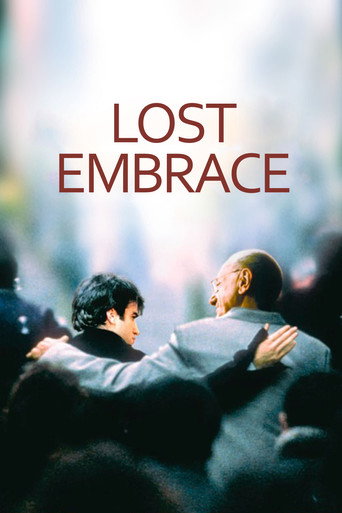
Lost Embrace
In Buenos Aires, the twenty-something Jewish-Argentinean Ariel Makaroff ditches the University of Architecture and spends his time wandering through the downtown gallery where his mother has a lingerie shop and his brother runs an importation business. Ariel has never understood why his father left him when he was a baby, but when his dad returns to Argentina, that will soon change.

Incident Light
In this poignant period drama set in 1960s Argentina, a young woman, struggling to raise her twin daughters alone after the tragic death of her husband, accepts the courtship of a charming but mysterious older suitor.
Historias Breves I: La Ausencia
An old man seems to direct the lives of the people who pass by on the street, under his balcony.
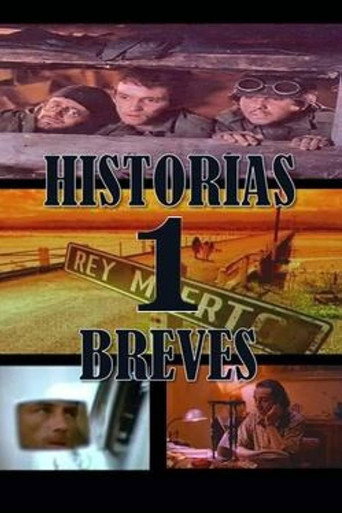
Historias Breves 1
The film brings together the winners of the first edition of the Argentine National Film Board's (INCAA) annual public script competition, the grand prize of which is the budget to produce a short film. Eventually screened in national theaters, the omnibus film gave rise and recognition to a new generation of Argentine filmmakers known collectively as the New Argentine Cinema—a wave of contemporary filmmaking that began in the mid-1990s in reaction to decades of political and economic crises in the country.
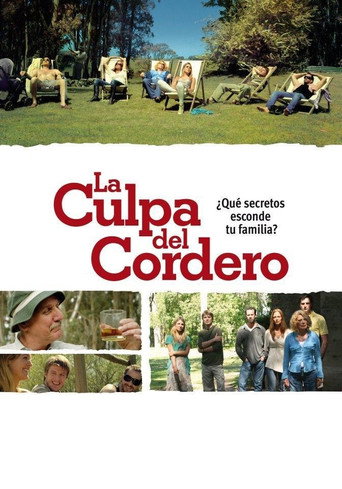
The Guilt Of The Lamb
A couple invites their 4 children for a barbecue back at their farm by the seaside. A Sunday barbecue; endless toasts; a family like any other, yet a family like none other.
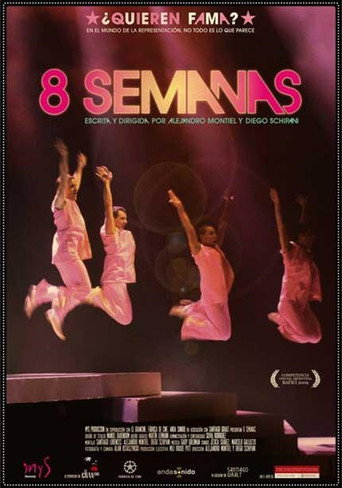
8 Weeks
This film is a combination of genres (docu-fiction, comedy-musical, mockumentary and drama-ponele) endowed with grace. It is a culebronizado backstage of the rehearsals of the musical Ella, homage to Rafaella Carrá, where Christopher Guest entrenches a group of dancers and choreographers, following them closely in their problems of love and of makeup. It shows situations of contagious pop vitality, and music and dance set the stage for a shocking ending, which kindly suggests rethinking various representation problems: Schipani and Montiel seem to have known in advance that it is dangerous to always tell the truth
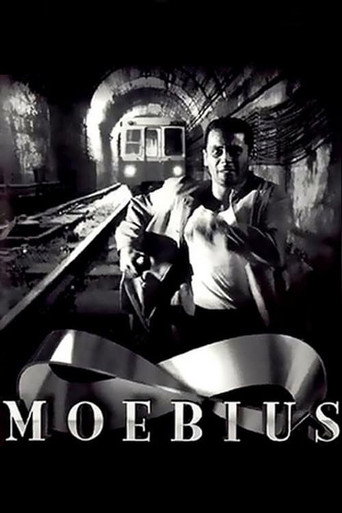
Moebius
Deep within Buenos Aires's labyrinthine subway system, a train mysteriously disappears along with it's 30 passengers. The subway officials are greatly troubled and call in topographer Daniel Pratt to help them find it. Unfortunately, the tunnels are so vast and complex, that Pratt needs his mentor Hugo Mistein to help him. Unfortunately, he too has vanished.
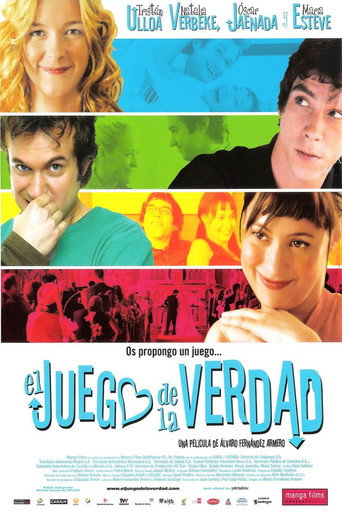
The Game of Truth
Four friends (two couples) play a game of truth on the evening after one of them, Ernesto, is mistakenly told by a doctor he has only three months to live. Ernesto's a sad sack, living with Lea at his parents', about to lose a job he got through his best friend, Alberto. Ernesto is also hopelessly in love with Alberto's fiancée, Susana - who, for her part, has gotten Lea a job as the sign-language interpreter on a local TV news show Susana anchors, a job Lea is about to lose. The truths that come out during the game, especially Ernesto's desire for Susana, create havoc. Alberto and Susana's wedding and Ernesto's new test results are coming soon.
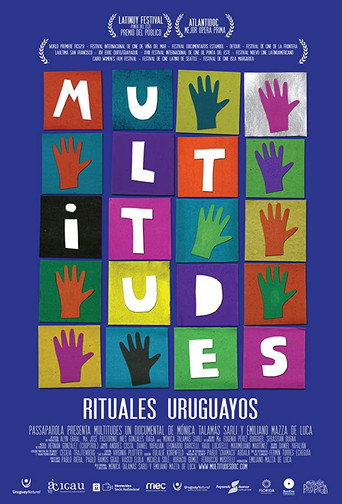
Crowds
Crowds is a feature documentary that records popular events of Uruguay where thousands of people gather spontaneously, called by faith, passion, celebration and memory. What happens when we set aside our individuality to act collectively? This documentary observes the passions that draw thousands of people close in order to join in a choral character. It discovers the crowd while it transgresses and experiences catharsis, while it seeks miracles and hopes; in continuous movement it splits and rejoins... until they dissipate and individuals re-emerge in their own solitude.
Gallery