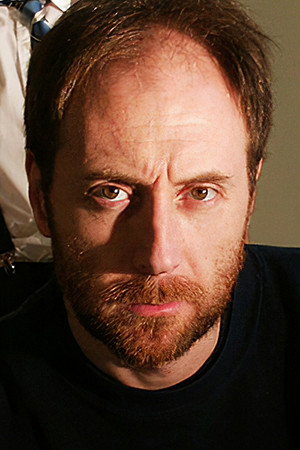
Pablo Krögh Movies, TV Shows, and Filmography
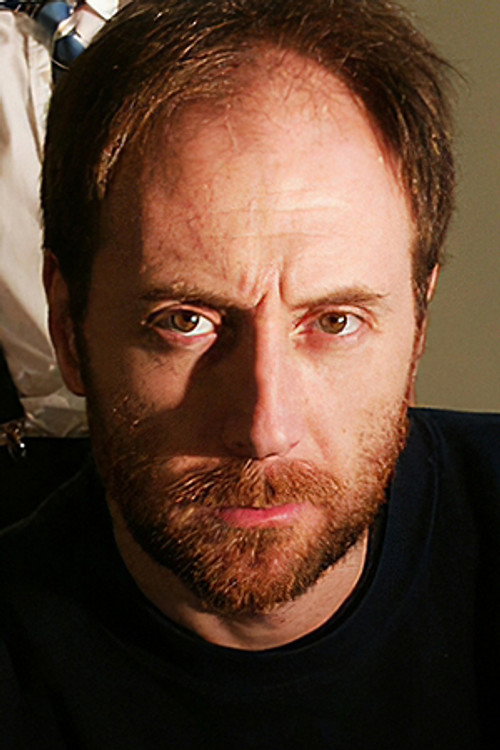
Pablo Krögh
Acting
Biography
Pablo Willy Krögh Baraona (born Santiago, February 21, 1963) was a Chilean voice actor for film, theater and television. After 23 years of career, he rose to fame in 2009 for his work in the film Dawson. Island 10 and in the play The Red Plane Description above from the Wikipedia article Pablo Krögh, licensed under CC-BY-SA, full list of contributors on Wikipedia.
Filmography Movies
Acting
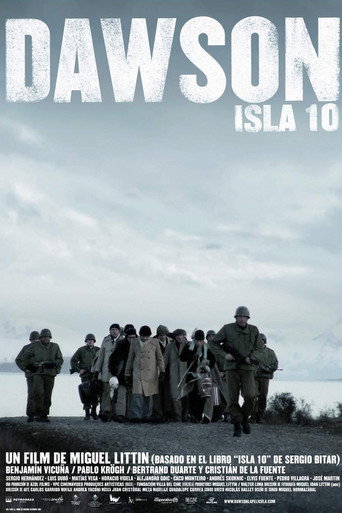
Dawson Isla 10
After the 1973 coup that deposed Allende and brought Pinochet to power in Chile, the former members of his cabinet are imprisoned on Dawson Island, the world's southernmost concentration camp. Here these men are determined to survive and provide history with their testimony.

Young and Wild
Daniela, raised in the bosom of a strict Evangelical family and recently unmasked as a fornicator by her shocked parents, struggles to find her own path to spiritual harmony.

El brindis
In Chile, Mexican photographer Emilia falls in love with a rabbi and gets the news that her father is terminally ill.
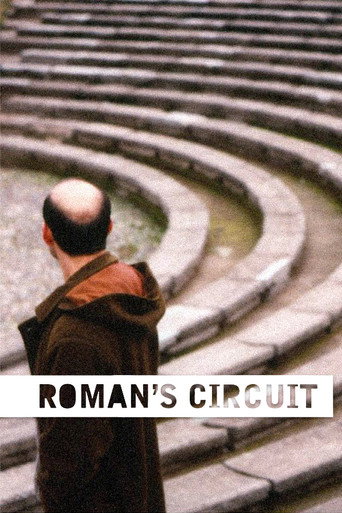
Roman's Circuit
When a prominent researcher in the field of human memory returns home, he stumbles upon the fact that a man's past, as he remembers and tells it, is often nothing but fiction.
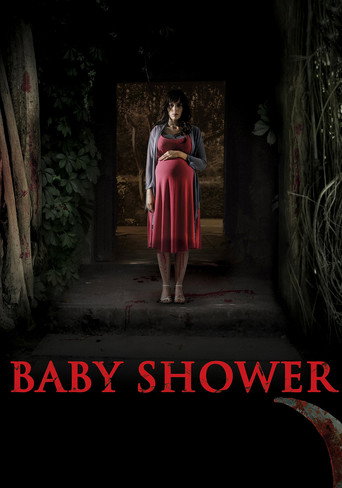
Baby Shower
Four women who used to be classmates, reunite years after for a Baby Shower party, in which several murders will unfold.
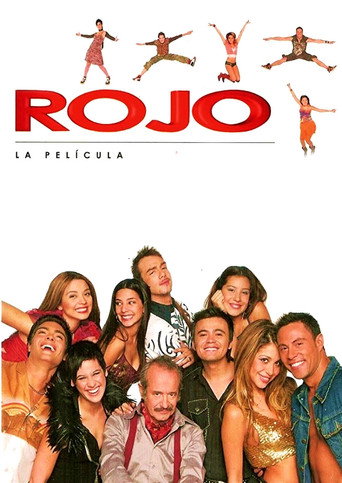
Rojo: La película
A Chilean talent show in the mold of "American Idol," "Rojo" became a huge hit the moment it hit the airwaves. This comic series puts a fictional spin on all the backstage drama: the backstabbing, the ruthless competition and the passionate abandon. Further blurring the line between fantasy and reality, several of the show's big stars -- including Monserrat Bustamante, Mario Guerrero and Yamna Lobos -- appear as pseudo versions of themselves.

No
In 1988, Chilean military dictator Augusto Pinochet, due to international pressure, is forced to call a plebiscite on his presidency. The country will vote ‘Yes’ or ‘No’ to Pinochet extending his rule for another eight years. Opposition leaders for the ‘No’ vote persuade a brash young advertising executive, René Saavedra, to spearhead their campaign. Against all odds, with scant resources and while under scrutiny by the despot’s minions, Saavedra and his team devise an audacious plan to win the election and set Chile free.
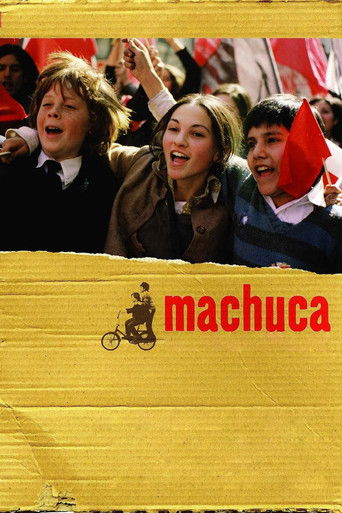
Machuca
Santiago, capital of Chile during the Marxist government of elected, highly controversial president Salvador Allende. Father McEnroe supports his leftist views by introducing a program at the prestigious "collegio" (Catholic prep school) St. Patrick to allow free admission of some proletarian kids. One of them is Pedro Machuca, slum-raised son of the cleaning lady in Gonzalo Infante's liberal-bourgeois home. Yet the new classmates become buddies, paradoxically protesting together as Gonzalo gets adopted by Pedro's slum family and gang. But the adults spoil that too, not in the least when general Pinochet's coup ousts Allende, and supporters such as McEnroe.

Gloria
Gloria is a 58-year-old divorcée. Her children have all left home but she has no desire to spend her days and nights alone. Determined to defy old age and loneliness, she rushes headlong into a whirl of singles’ parties on the hunt for instant gratification – which only leads to repeated disappointment and enduring emptiness. But when Gloria meets Rodolfo, an ex-naval officer seven years her senior, she begins to imagine the possibility of a permanent relationship.
The Sky, the Earth and the Rain
Ana, Verónica, Marta, and Toro are four lonely people who live an unadventurous and quiet existence in southern Chile. They are with each other without the need of using words, trying to save themselves in a stealthy and extreme way. In order not only of getting away of the loneliness that constitutes their innermost core, but also of finding themselves, they reach for each other to get brotherly and sexual love, affection, and a space and time of their own.
Production
Coronation
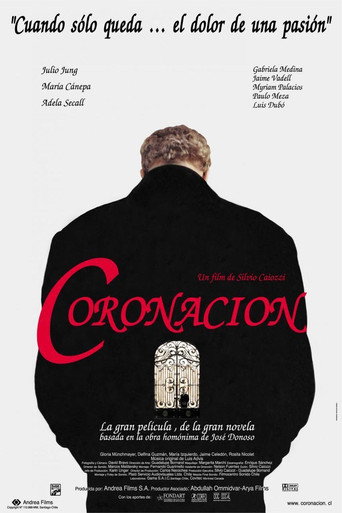
The elderly heir of a formerly wealthy and respected Chilean family, Andres, suffers from decadence and solitude. He hires young Estela in order to look after his tiranic and almost crazy grandmother. The differences in class and age don't stop Andres from courting Estela, whose fiancé Mario tries to make some money with the passions of his well-off rival. The suffocating atmosphere of the run-down mansion in the outskirts of Santiago represents the deterioration of the bourgeoisie, and sets the scene for the total collapse of Andres.
Coronation
The elderly heir of a formerly wealthy and respected Chilean family, Andres, suffers from decadence and solitude. He hires young Estela in order to look after his tiranic and almost crazy grandmother. The differences in class and age don't stop Andres from courting Estela, whose fiancé Mario tries to make some money with the passions of his well-off rival. The suffocating atmosphere of the run-down mansion in the outskirts of Santiago represents the deterioration of the bourgeoisie, and sets the scene for the total collapse of Andres.
Gallery