Directing
No biography available.
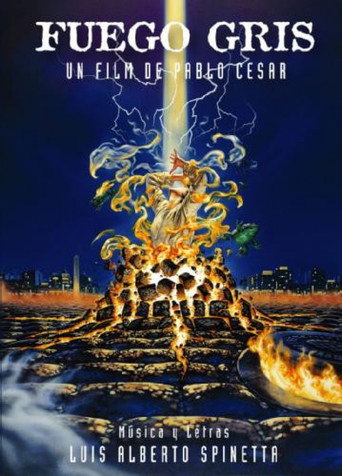
A young woman, alienated by her work and confronted to her surroundings, falls into a depression that leads her to live in a sewer to find her identity. In there, life is no better; reality appears in images and alegoric figures that change its form and vanishes, without letting the woman communicate with anyone. It's a film with zero dialog in witch the songs takes us through the states of emotion.
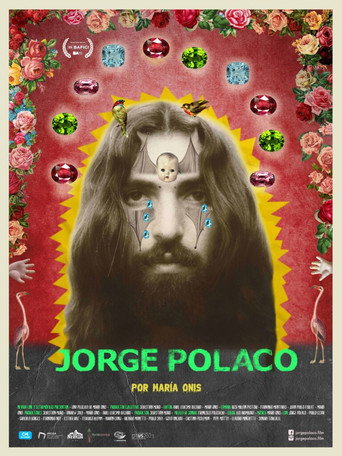
Life and work of the controversial Argentine film director Jorge Polaco who questioned all moral institutions, exposing himself to the most scandalous media ridicule and risking his vulnerability. Is it possible to evade legitimation? Does the era of the algorithm allow that gap through which these singularities were previously filtered?
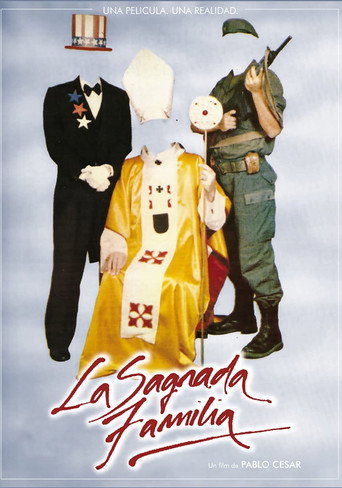
A group of people seeking shelter from a flood find a small farm whose owner takes advantage of their situation
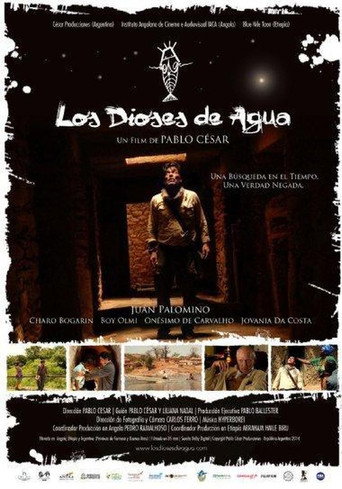
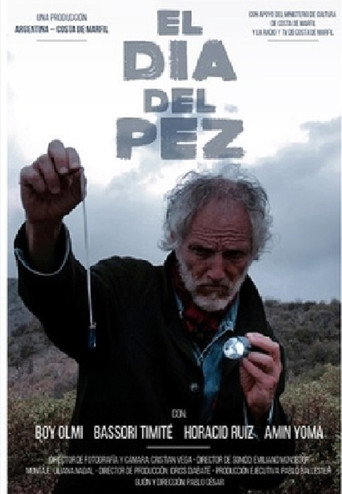
Stimulated by the studies of a French ethnologist, his Argentine colleague, Hermes, travels through his country, Angola and Ethiopia to determine with the help of the young Angolan Oko, Ayelen and the Egyptologist Esteban if humanity is the creation of extraterrestrial amphibian beings.
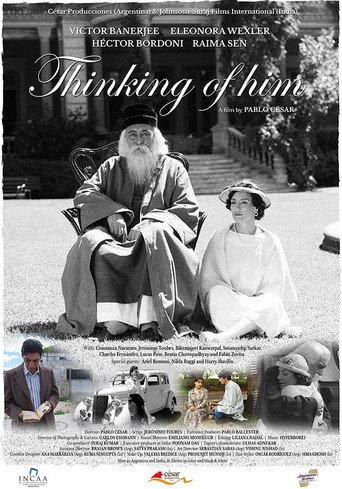
Two stories intertwine over the time. In the present, Felix, pessimistic and lazy teacher encounters a book that dazzles him, while he teaches geography in a detention center for minors. In the past, Rabindranath Tagore, Bengali poet, author of the book that has come to Felix, arrives in Argentina and is hosted by Victoria Ocampo, who lives a brief and innocent romance. Felix becomes more and more obsessed with the story of the poet.
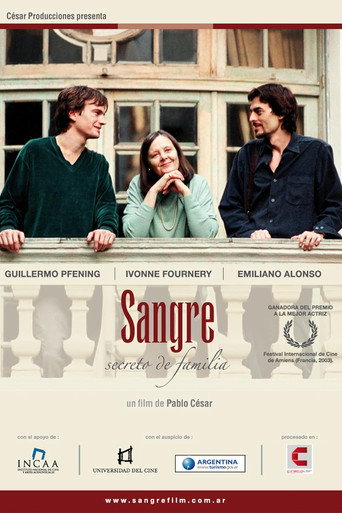
Blood is a family portrait. A mother, her two children and the shadow of her husband who died 25 years ago under strange circumstances.
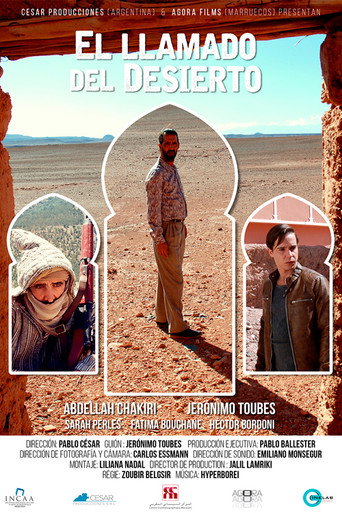
Omar, a Moroccan haunted by a dark past, lives in Argentina with his grandson Rahmi, who loses himself in gambling games. Omar confesses to his grandson that he will soon die and that his last wish is to die in his homeland.
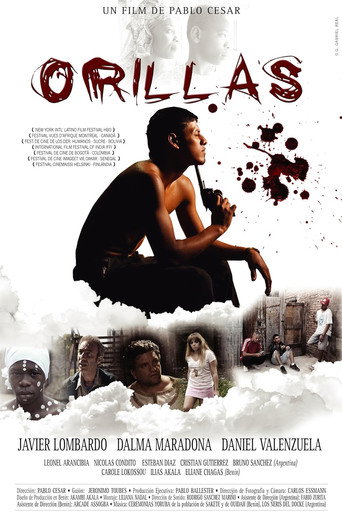
The film tells two stories apparently very distant are slowly approaching each other. On the one hand is Babarimisa, a young man from Benin who suffers from a relentless disease for which seems to have no remedy. Desperate to save his mother, Morenike, a Yoruba priestess goes to invoke the power of the Orishas gods. Meanwhile in Argentina, Shantas is a young offender living in a marginal area tainted by the practices of Umbanda, a cult derived from African religions. None of us can even imagine the surprises that come in the destination.