Paľo Bielik Movies, TV Shows, and Filmography
Paľo Bielik
Directing
Biography
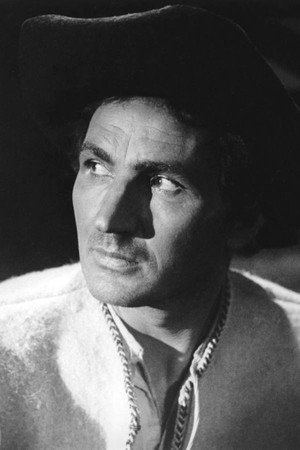
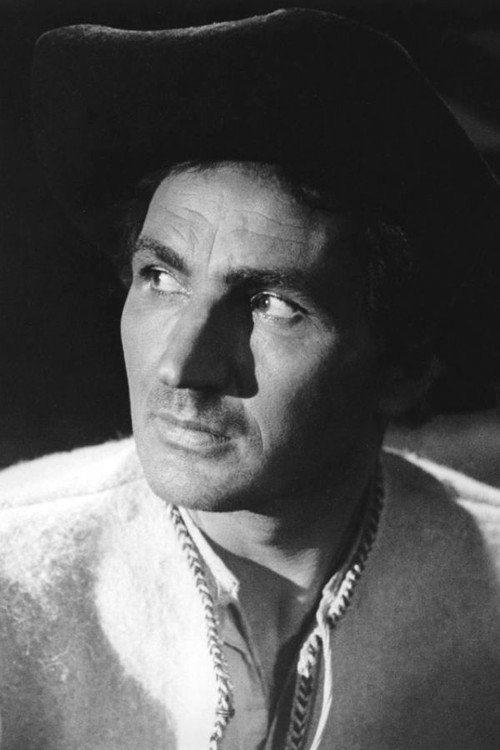
Paľo Bielik, also known as Ján Bukva, was a Slovak film director, screenwriter and actor. He was one of many notable personalities in the beginnings of Slovak cinematography.
Filmography Movies
Acting
Jánošík
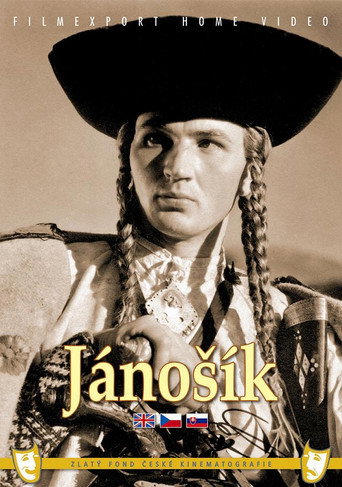
Jánošík has been topic of many Slovak and Polish legends, books and films. According to the legend, he robbed nobles and gave the loot to the poor. The legend were also known in neighboring Silesia, the Margraviate of Moravia and later spread to the Kingdom of Bohemia. The actual robber had little to do with the modern legend, whose content partly reflects the ubiquitous folk myths of a hero taking from the rich and giving to the poor. However, the legend was also shaped in important ways by the activists and writers in the 19th century when Jánošík became the key highwayman character in stories that spread in the north counties of the Kingdom of Hungary (present Slovakia) and among the local Gorals and Polish tourists in the Podhale region north of the Tatras.
Beware!
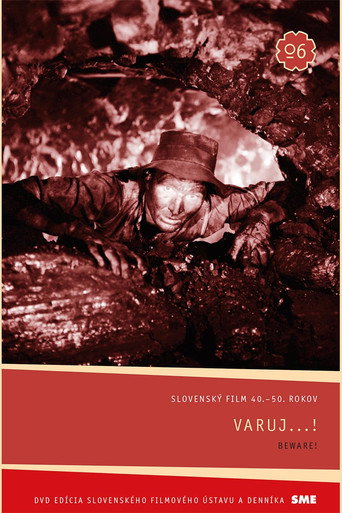
A drama about Slovaks who emigrated before WW I. It is focused on the life of Ondrej Muranica. He emigrates to America because of the hard life that is partly caused by Hungarian landowners. His dreams and hopes for a happier life are destroyed by a disaster in the mines where he works. Ondrej is declared missing.Years later he returns to his home country and finds out his wife married his best friend.
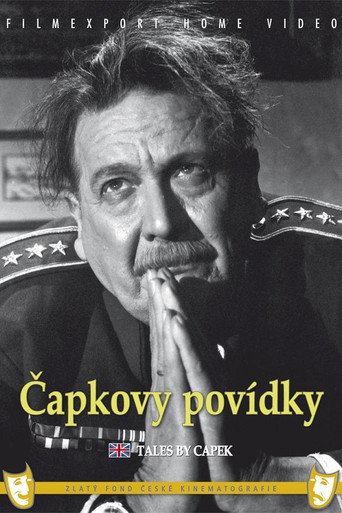
Capek's Tales
Five crime stories connected by the narration of police superintendent Bartosek.
The Hordubals
Juraj Hordubal returns from America after eight years, where he has earned enough money to improve his farm. However, his daughter Hafia does not recognize him and his wife Polana does not show any joy at his return. Štěpán Manya has been a farmhand on the farm all these years, and people claim that he has become Polana's lover. Juraj denies the accusations and believes that his wife's distance from him is only due to the long separation...
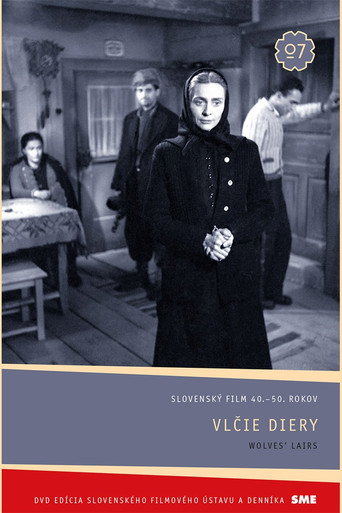
Wolves' Lairs
This drama from the times of Slovak National Uprising is situated in a small Slovak village. It is the tragical story of a widow and her four sons who fight alongside the partisans against the German occupants.
Production
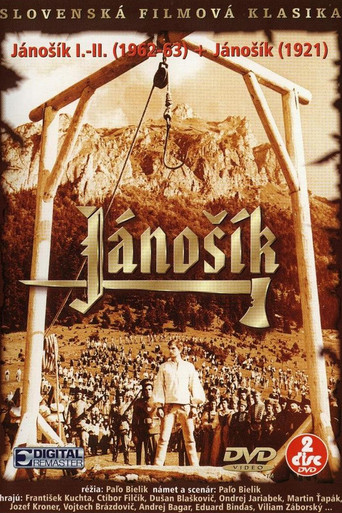
Jánošík
This film is one of the most popular pictures of Slovak cinema and relates the story about the legendary folk hero and brigand Juro Jánošík [1688-1713] and the social situation in Slovakia of the late 17th and early 18th centuries. The first part talks about Jánošík's childhood, studies and return to his native village. In the second part Jánošík leaves for the hills, where he organizes his band of brigands and starts an anti-feudal resistance. The film concludes with Jánošík's execution.
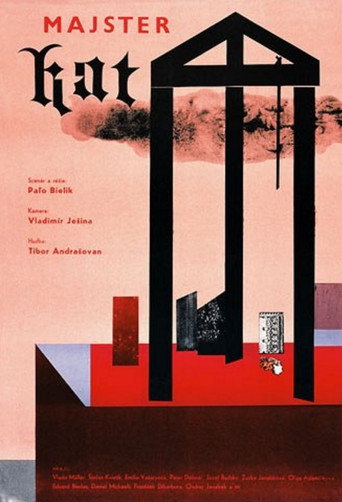
Master Executioner
A dramatic story about two friends - fisherman Richardus and municipal executioner Emil Targo takes place at the river Danube, in places that used to be targets of Ottoman raids. But their attraction to the same woman and Emil’s betrayal change their indissoluble friendship to an equally strong hatred. And as it usually goes - after twenty years by a trick of fate Richardus’ daughter Agajka becomes the wife ofthe sun of his sworn enemy.
Jánošík
This film is one of the most popular pictures of Slovak cinema and relates the story about the legendary folk hero and brigand Juro Jánošík [1688-1713] and the social situation in Slovakia of the late 17th and early 18th centuries. The first part talks about Jánošík's childhood, studies and return to his native village. In the second part Jánošík leaves for the hills, where he organizes his band of brigands and starts an anti-feudal resistance. The film concludes with Jánošík's execution.
Na ostrove kormoránov
Wolves' Lairs
This drama from the times of Slovak National Uprising is situated in a small Slovak village. It is the tragical story of a widow and her four sons who fight alongside the partisans against the German occupants.
Wolves' Lairs
This drama from the times of Slovak National Uprising is situated in a small Slovak village. It is the tragical story of a widow and her four sons who fight alongside the partisans against the German occupants.
Wolves' Lairs
This drama from the times of Slovak National Uprising is situated in a small Slovak village. It is the tragical story of a widow and her four sons who fight alongside the partisans against the German occupants.
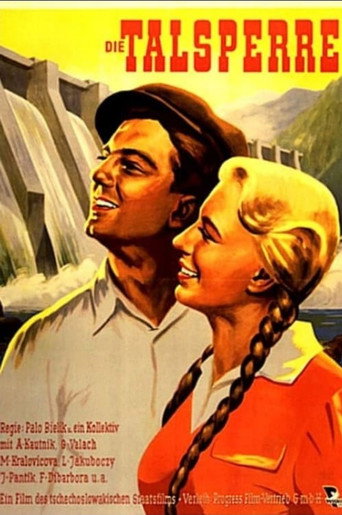
Priehrada
The construction of a large dam in Slovakia is hindered by the influence of small farmers on the landowner Bujna, on whom they depend for help with the harvest and for monetary loans.
Priehrada
The construction of a large dam in Slovakia is hindered by the influence of small farmers on the landowner Bujna, on whom they depend for help with the harvest and for monetary loans.
Gallery