Directing
No biography available.
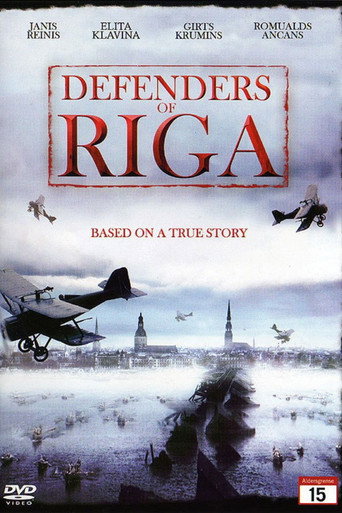
The film dramatizes November 11, 1919- a crucial date in the battle for Latvian independence. A year after the end of the official hostilities of WWI, a renegade German general and troops remain outside the Latvian capital. Latvian riflemen, most of them inexperienced volunteers, somehow managed to defeat a larger, better-armed force of German and Russian mercenaries.
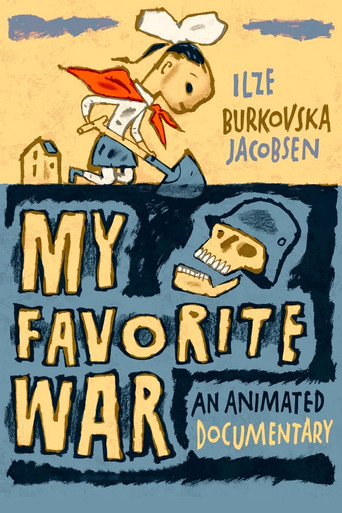
Ilze Burkovska, a little girl who is obsessed with stories of World War II and will be a filmmaker in a distant future, lives in Latvia under the totalitarian boot of the Soviets and the ominous shadow of the many menaces and horrors of the Cold War.
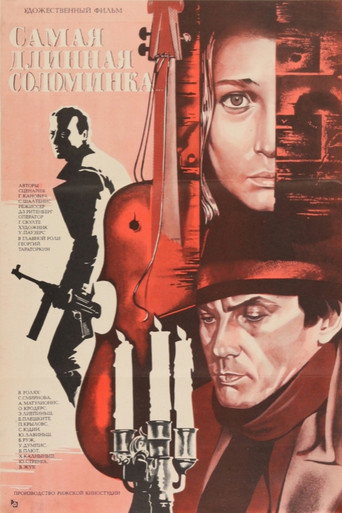
Post-war Latvia. Francis' gang operates in a small town and the new KGB agent Juris Vilks has been asked to infiltrate his gang and gain his confidence.
A bureaucrat who has just declared himself as a new political force has disappeared… in a canteen; police are investigating. Combining the absurd and black humour, a harsh and ironic reflection on civil servants, cops, and contemporary art.
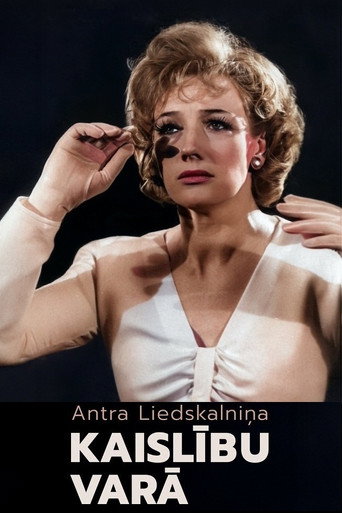
The story of one of the most vivid legends of Latvian theater – actress Antra Liedskalniņa. She is the only female actress included in the Latvian Cultural Canon in the field of performing arts.
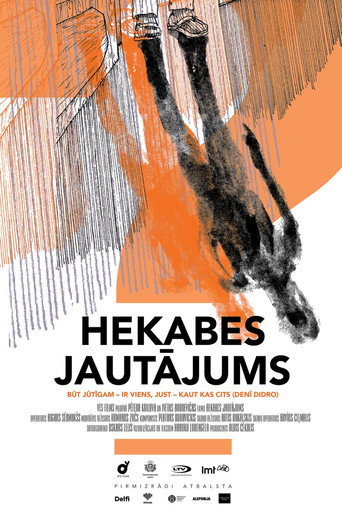
Direct and meticulous observation of interpersonal relations is a classic subject in documentary films. In this film the title of which alludes to “Hamlet”, we will observe the birth of compassion in people. Compassion is something that has to be dealt with in very rigorous terms, something that needs to be stripped of the layers of clichés that this word has amassed over the years. Is it always a true feeling or just an imitation? How does a deep compassion spring forth? Who are the true “masters of compassion” and what are they like?
A short film based on motifs from Jānis Jaunsudrabiņš' book "Es stastu savai sievai" (I Tell My Wife).
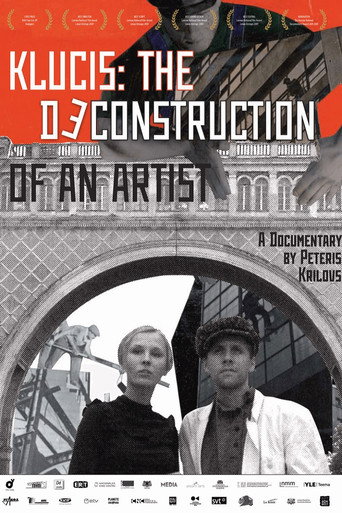
Latvian artist Gustavs Klucis embraced the technological revolution of the early 20th century and applied it to his art, becoming a classic of Russian constructivism. He created photo-montage and Lenin’s public image, and became the most important Soviet artist. Killed by Stalin’s regime, his artistic career poses many unanswered questions. This documentary reveals many secrets and intimate moments of his dramatic personality – the unequal duel between the Artist and the Power.
The code to unlocking this feature documentary is 1949, the year the director was born, and also the year of the return of Soviet repressions to Latvia. The film tells a very personal story against the background of less visited historic events – the death of director’s father due to the KGB repressions, which is closely linked to the devious game Soviet Latvia’s KGB played against Swedish-British-American spy agencies.
In the past, many people, including my grandparents, recorded the most significant events in various calendars or notebooks. The nicest thing is that in such notes, people did not touchingly divide events by scale or, as they would say now, globality. Our film about the Skrunda radar (Skrunda radio location station) reminds us of such records. It is a story about a long, patient process of negotiations and agreements in order to achieve the closing and blowing up of the Skrunda monster. It is a film about people who participated in this work, regardless of position or social status.
After his family was introduced on a national TV as a "perfect family", the son Robert has a hard time confronting all the lies related to this accidental fame.
After the train conductor Pētersons receives money transfer from an unknown source, he suspects foul play involving the cargo he's transporting. He decides to do his own investigation into the matter, not realizing that he's putting himself and those around him in danger.