Acting
No biography available.
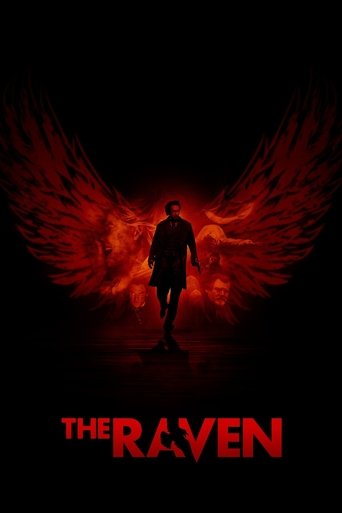
A fictionalized account of the last days of Edgar Allan Poe's life, in which the poet is in pursuit of a serial killer whose murders mirror those in the writer's stories.
No equal signs of justice can be drawn between those who are accused of a crime, those who are convicted of a crime and those who are the true offenders. That triangle always contains the accused who are not guilty and true offenders whose guilt cannot be ultimately proven. Throughout history, one of the greatest deviations in the strive towards equality has occurred in the triangle of guilt in sexual crimes, where guilt is largely proven on the basis of a woman’s will.
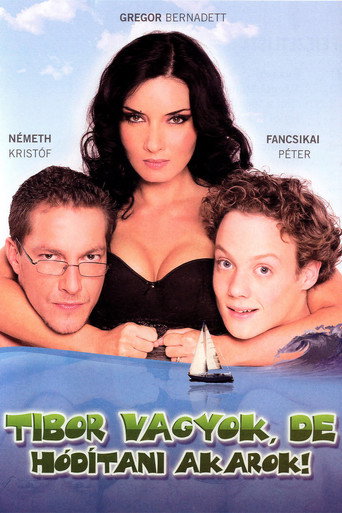
At the end‐of‐year assembly, Tibor and two friends are browsing Lady Sandra’s website on a computer when the school radio announces he’s flunked history, dashing his plans for a Croatian holiday, parties and picking up girls. Instead, he’s sent to his father’s Flamingó Hotel in Balatonfüred to cram for the makeup exam. The once‐Soviet-era resort is barely recognizable, save for familiar faces: childhood friend Józsi, caretaker Tunyogi’s daughter Kata and kind Aunt Rózsi. Just as everything seems hopeless, a mysterious beauty arrives, and Tibor is convinced she is Lady Sandra, the woman of his dreams.
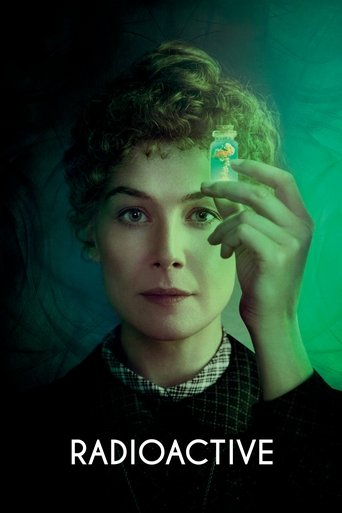
The story of Nobel Prize winner Maria Skłodowska-Curie and her extraordinary scientific discoveries—through the prism of her marriage to husband Pierre—and the seismic and transformative effects their discovery of radium had on the 20th century.
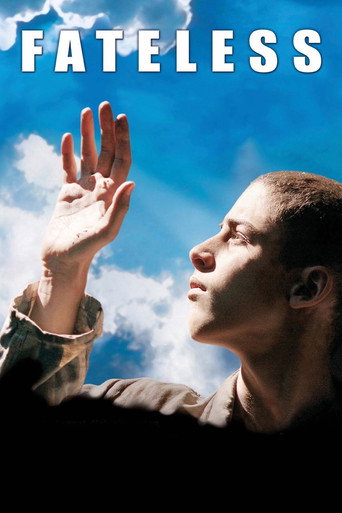
A Hungarian youth comes of age at Buchenwald during World War II. György Köves is 14, the son of a merchant who's sent to a forced labor camp. After his father's departure, György gets a job at a brickyard; his bus is stopped and its Jewish occupants sent to camps. There, György find camaraderie, suffering, cruelty, illness, and death. He hears advice on preserving one's dignity and self-esteem. He discovers hatred. If he does survive and returns to Budapest, what will he find? What is natural; what is it to be a Jew? Sepia, black and white, and color alternate to shade the mood.
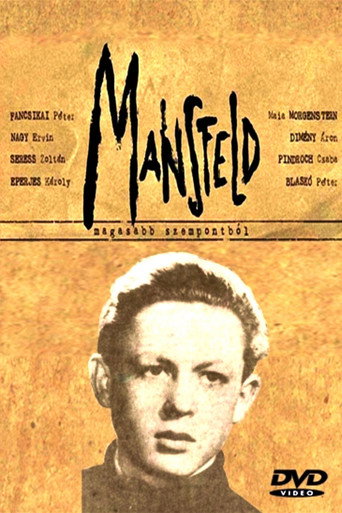
At 15 he and his family became victims of state terror. At 16 he became a freedom fighter to participate in the 1956 Revolution against Soviet oppression. At 17 he is betrayed and arrested by the dreaded Secret Police (AVH). Now he has to spend the remainder of his life in a political prison, called Hell's Hallway, to reach the legal age of 18 before his death penalty can be carried out. Peter Mansfeld was 18 when he was unjustly executed by the totalitarian regime of Hungary. Today he is remembered as one of the national heroes of Hungary.
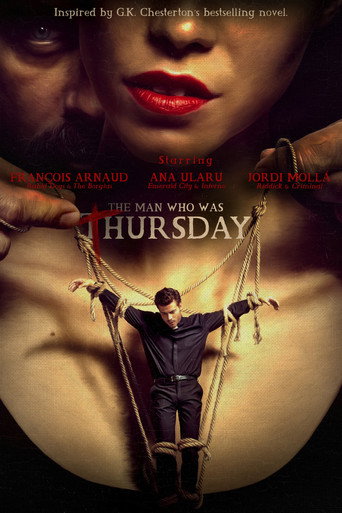
THE MAN WHO WAS THURSDAY is inspired by the existentialist novel of the same name by G.K. Chesterton (1908). The novel is considered a metaphysical thriller, and our film could be considered the same, though it also can be thought of in more classical cinematic terms a psychological and supernatural thriller.
Two dancers at an elite ballet academy in Paris must compete for a contract to join the highly coveted Opéra National de Paris as they confront their competitive nature, sexual awakenings and how far they would go to win.
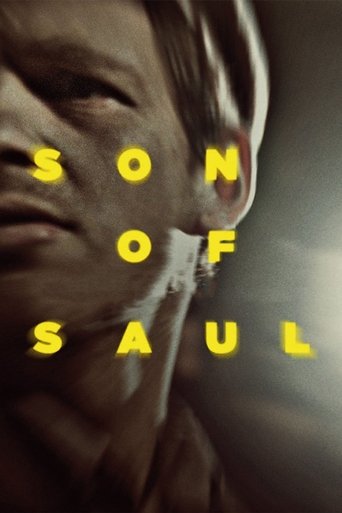
In the horror of 1944 Auschwitz, a prisoner forced to burn the corpses of his own people finds moral survival trying to save from the flames the body of a boy he takes for his son, seeking to give him a proper Jewish burial.