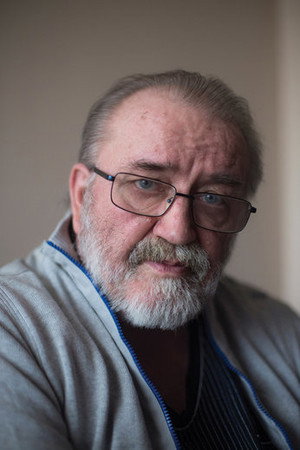
Péter Andorai Movies, TV Shows, and Filmography

Péter Andorai
Acting
Biography
No biography available.
Filmography Movies
Acting
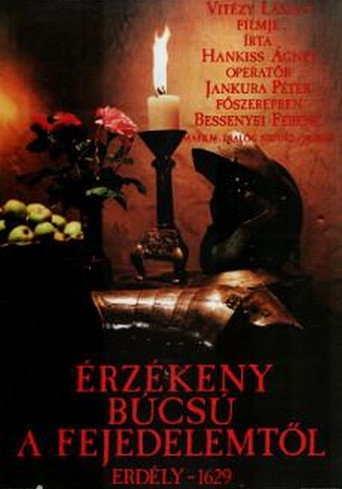
A Fond Farewell to the Prince
1629, Transylvania: Reigning prince Bethlen Gábor has Don Diego, the Spanish chronicle knight be brought to his court in order to make him record his life and deeds for posterity.
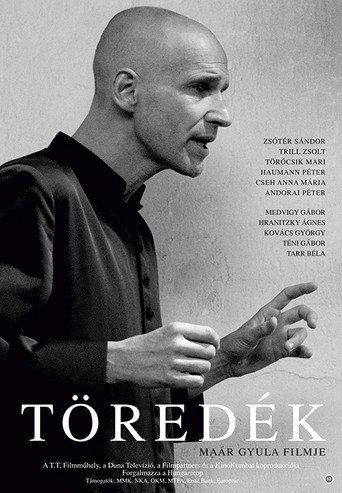
Fragment
In the closed world of a Catholic monastery shortly after World War II the post-war insecurity exacerbates the walls. A new world order has arrived. The monastic life begins to break down as some of the monks start to morally decline.
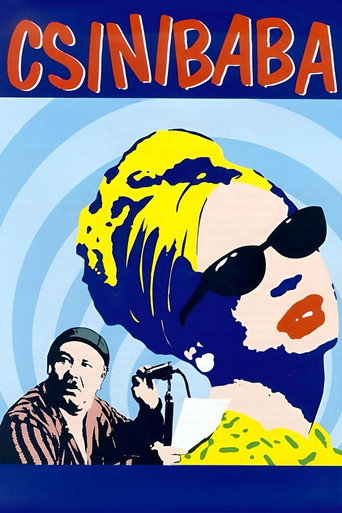
Dollybirds
The movie is set in the actual "Ki Mit Tud?" talent contest in 1962. In reality the contest in dance music category was won by an army brass band. "Omega" which later became one of the most successful Hungarian rock bands came out in the second place.
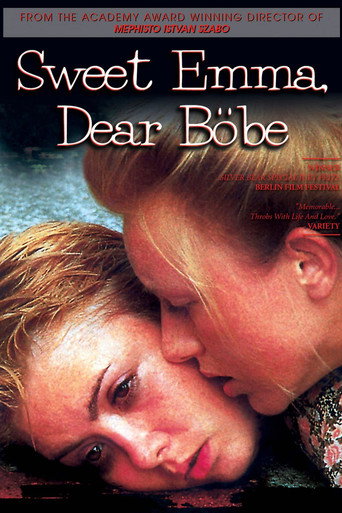
Sweet Emma, Dear Böbe
The story shows Emma's and Böbe's fight for survival, for keeping their position in society which they achieved with hard work in the previous regime. They don't want to lose their place and become village girls again.
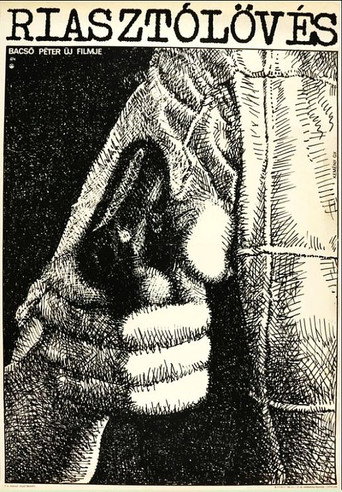
Alarm Shot
The film discusses generational and adaptational problems. The child of a cadre revolts against the omnipotent paternal authority and his own generations' nihilist members.
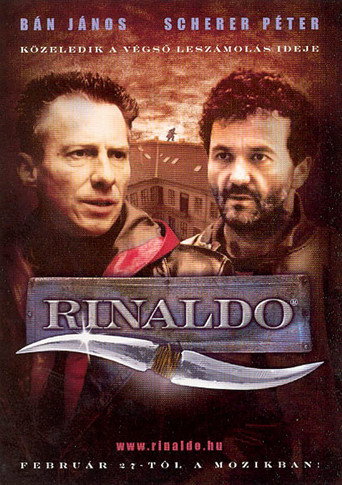
Rinaldó
The Hungarian version of the "The Seven Samurai" and "The Magnificent Seven". A ruthless bandit gang terrorizes the residents of a crumbling Budapest tenement until a group of unemployed steelworkers, rather than samurai or gunmen, steps in to defend them. Amid fierce battles, intrigue and blossoming friendships and romances, a wandering circus knife‐thrower ensures that, unlike the originals, none of the heroes need be buried at the end.
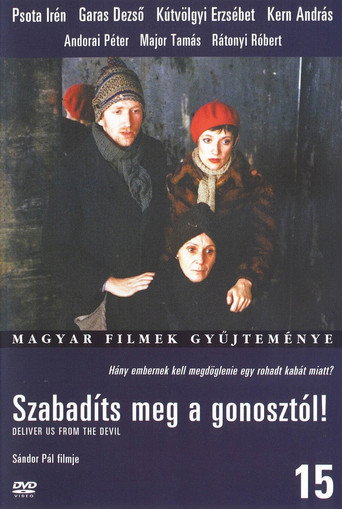
Deliver Us from Evil
Winter of 1944, the last days of the war. When the roads and houses ceased to exist and the bottom of the cellars become filled with life, when fortunes were lost and countries burned up, her used coat was only important to Mama, the cloak-room servant of a local dance-school. Her son stole it to sell it for twenty pengő. He did it because Aranka Fussbaum's love cost money. There is no honour left in such a destroyed world. Yet still they start looking for that coat... (Elemér Ragályi won Best camera with this movie in Montreal, 1979, and in Budapest, 1980.)
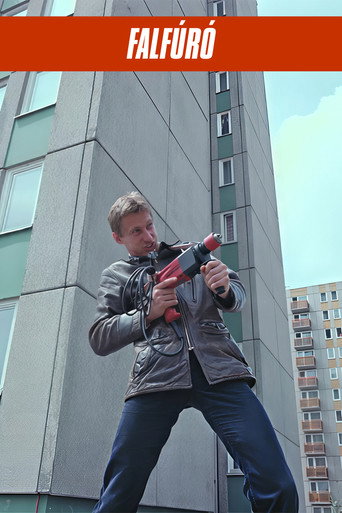
Wall Driller
The sad tale of a proletarian malcontent ensconced in a monstrously depressing housing project who—even less effectually than the heroes of Bald-Dog Rock—attempts to change his life. Purchasing a power drill and slinging it across his shoulder like the anti-hero of a spaghetti western, he turns entrepreneur, boring holes in his neighbors’ walls so that they can hang mirrors or pictures.
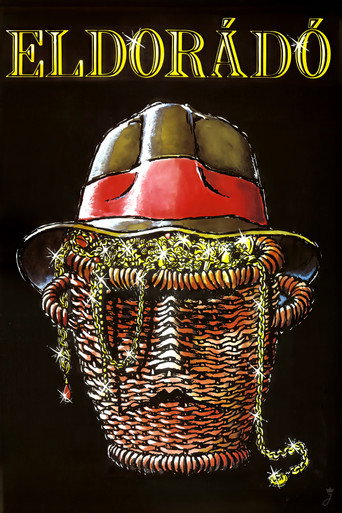
The Midas Touch
A deep drama about life in Hungary after the WW2 until the revolt against Russians in '56. The main character is the head of the black market in Budapest. He thinks he can buy everyone and everything but at the end he must face that he can't buy life. A must-see for everyone. Casting involves some of the greatest Hungarian actors. The story takes place in the eighth district of Budapest focusing on the market place on Teleki square which is still working. The movie contains some archive footage of real fight during the revolution.
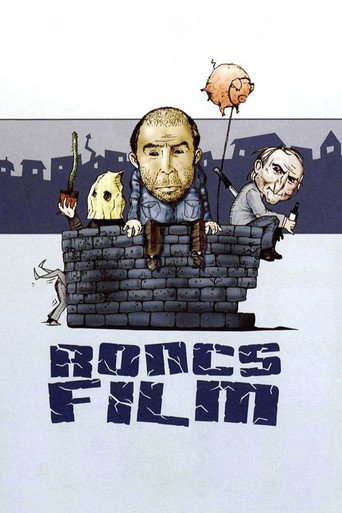
Junk Movie
It is 1989, the year of the demise of socialism in eastern Europe. Nevertheless, the one theme of Junk Movie does not refer to this historical moment of high ideals, quite the contrary, the wild, burlesque of a motif-mozaic seems merely to stick it’s tongue out at the arrogant players of politics who have their heads stuck in the clouds. The film rudely points out the mystery and unapproachability surrounding the every-day existence of politics. The scene is a greasy, falling-down block of a pub called the Gólya and its immediate surroundings.
Gallery