Directing
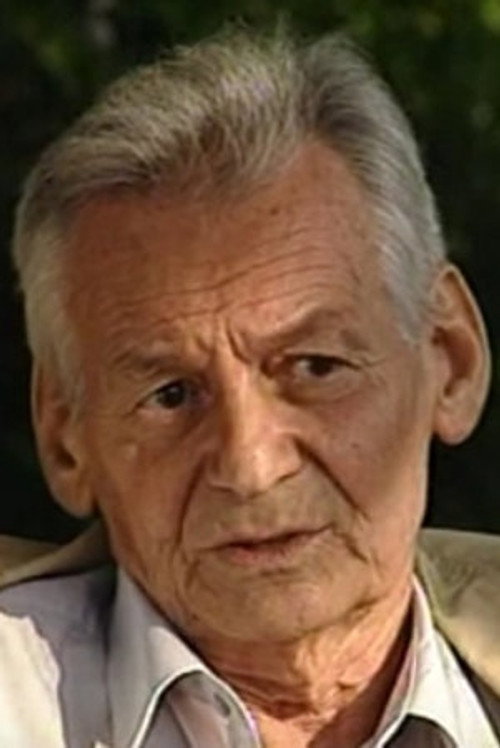
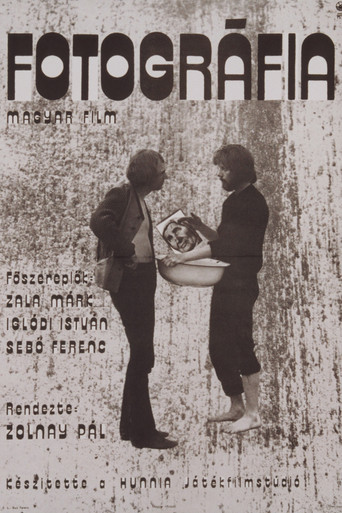
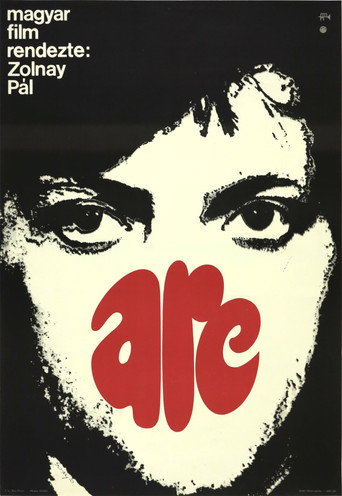
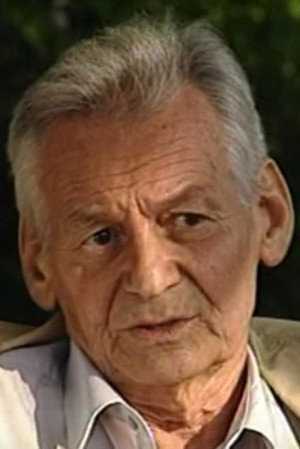
Pál Zolnay was a Hungarian film director, screenwriter and actor. He directed eleven films between 1962 and 1995. His 1973 film Photography was entered into the 8th Moscow International Film Festival where it won the Silver Prize.
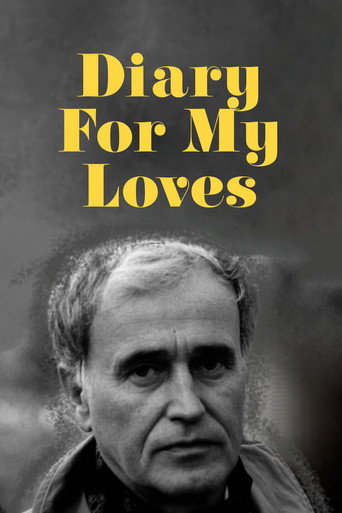
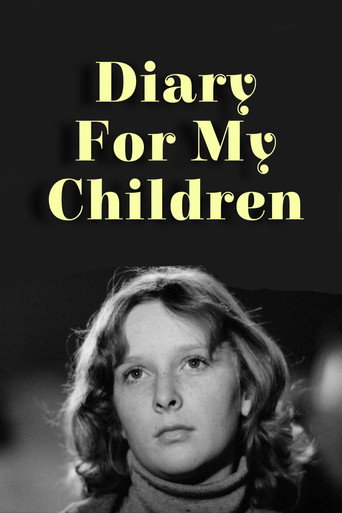
A continuation of "Diary for My Children," the film picks up in 1950, when Juli, the diarist, is 18 and determined to become a movie director.
After having lost her parents, young Juli returns from the Soviet Union to her native Budapest. Scarred by the wounds of the past, the ghost of Stalin’s oppression haunts her as she reunites with her aunt and adoptive mother Magda.
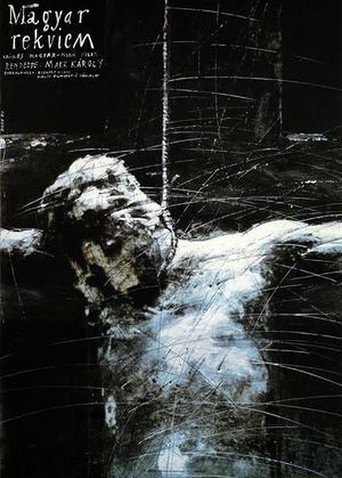
1958. In the cell of the condemned, seven men await the signs of an approaching execution. All of them recall their pasts and envision their wish-dreams.
Two actors wandered from house to house in the countryside in the roles of the photographer and the retoucher business man offering their photographic services to the people.
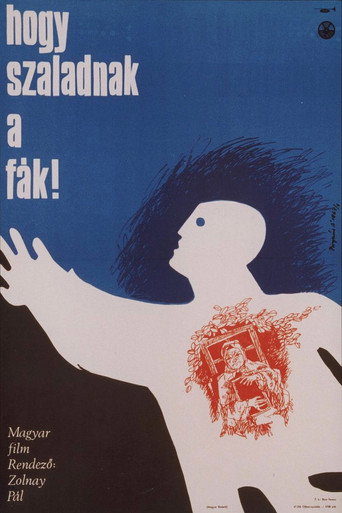
For the first time after 11 years, Simon, a young historian visits the village of his childhood at Balaton and Aunt Lina, his foster-mother. He gets upset by what he experiences there: the old woman's troublesome and vexing everydays, her quiet sadness. He is overwhelmed by his own memories, the death of his foster-father and by everything he was not aware of before, or he simply wanted to forget.
The film is a lyrical series of associations compiled from documentaries. Márkus, the actor is shut in his own flat by his wife by accident. While learning his part, on the wings of poetic intuition his imagination tours the great landscapes of the soul, the mystery of human existence.
Elderly patients are lying in a Budapest hospital. Most have no hope of recovery, even their families have given up on them. All day long they observe as the world goes by, or they simply turn inwards. And yet hope still burns within them: from time to time they gather strength and clench their fists, or even stand up again. Instead of a simple report, director Pál Zolnay and cinematographer Elemér Ragályi recompose images of despair, illness and death, inner fortitude, playfulness and hope into lyrical film poetry.
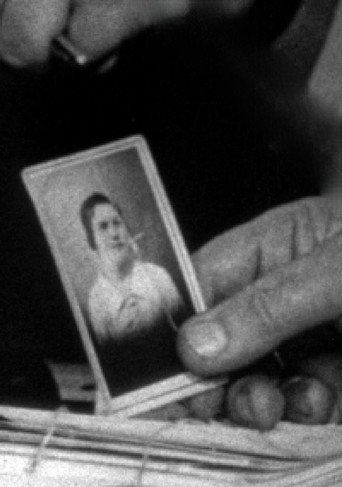
Journeying photographers criss-cross the country. The apparatus in their hands creates a reality that never existed: group pictures of those who never faced a camera together, soldier and civilian, clean shaven and moustached. A mother of three is far from satisfied with her photo, this is not how she imagines herself at all. Time for the retoucher to get to work. Pál Zolnay made this affectionately ironic short as a study for his feature film Photography (Fotográfia).
The film take place in Budapest, in the end of The World War II, telling the story of a young Communist who escaped from prison. The boy tries to revitalise his contact with the movement, but he is told to be quiet and wait.