Acting
No biography available.
A young, revolutionary couple aboard the last train leaving Budapest after the Russian invasion of 1956. Based on a novel by the Austrian writer Stefan Zweig.
At a dusty crossroads in the Soviet Union villagers surrender their possessions - a horse, a samovar, a goat - to the state. The train which takes them away brings to the village a physically and mentally handicapped woman, barely able to speak. She makes herself bracelets of burrs and studies herself in a cracked and cloudy mirror. Befriended by very few, teased and tormented by many she seeks protection at a huge portrait of Stalin.
1939: Rome stands on the brink of World War II. In the midst of this political and social tension famed producer Davide Rieta is making a major film. The two lead actors, the German woman Kristina Baumgarten and the English man James Clavel ace each others' initial antagonism and eventually fall in love. Meanwhile the fascist police are looking for an excuse to arrest the Jewish filmmaker and any other potential "troublemakers." The producer and his crew decide to make one final extraordinary effort to complete the film - against all odds.
I am not good enough. My results so far are simply due to luck. Everyone will laugh at me." - repines the well-known astronomy professor by his impostor syndrome. Meanwhile, an unprecedented overall power outage is about to take place in the city of Budapest. The astronomer, on the verge of a challenging discovery, plans to spend the hours of darkness in his observatory, benefiting from the absence of light pollution. He is getting disturbed by an unexpected visitor though, who - while being vibratingly annoying - may be of the professor's help to shed new light on the real subject of his exploration: his own self.
Experimental short movie adaptation of István Örkény's one-minute story "Information" by director Annabella Schnabel.
David Berman and his friends, all Holocaust survivors, have only one purpose: to go to America as soon as possible. For this they need money. Close to his aim, David is not only deprived of his savings but also overtaken by his shady past.
A collage crime movie from the first novel of Agatha Christie.
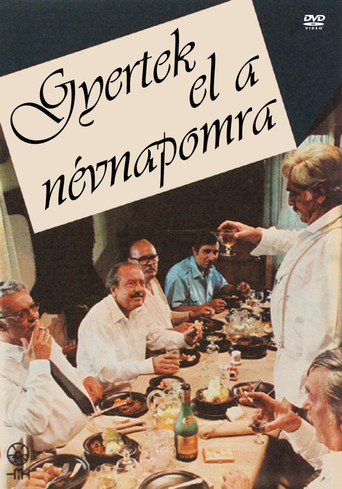
The elite of political and business life of the country town gather to celebrate the namesday of László in the luxury villa. Everything begins just as usual, but now an incident disturbs the stag party.
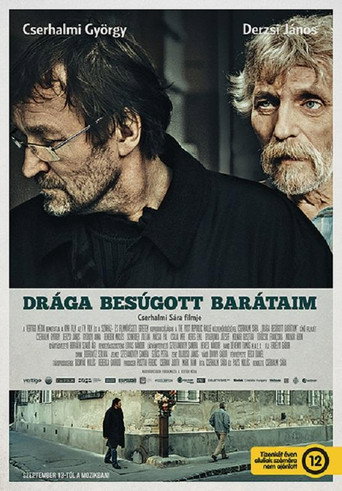
Andor Czettl, in his early sixties, visits the secret service archives one day to read into the reports about himself and discovers a shocking fact. His very best friend János Pásztor was an informer, spying on him and writing reports about him for decades. Sára Cserhalmi's first feature focuses not so much on the actual problem of informing and betrayal as on the contradictory relationship of the two protagonists. It avoids any final judgments. First and foremost, it seeks answers to questions like how an informer can live in our present times and how the one being reported on can cope with this state. Can a close friendship that began decades ago last if such betrayal comes to light? How can someone live and cope with this fact?