Otto-Erich Edenharter Movies, TV Shows, and Filmography
Otto-Erich Edenharter
Acting
Biography
No biography available.
Filmography Movies
Acting
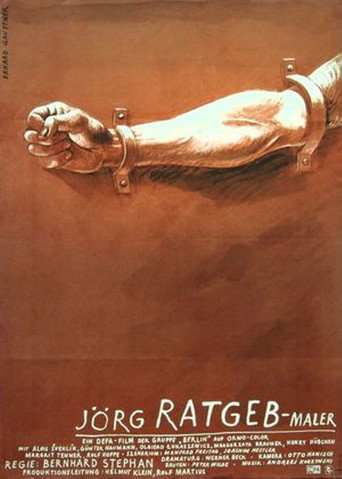
Jörg Ratgeb, Painter
On the eve of the German Peasants' Revolt, painter Joerg Ratgeb is occupied by a crisis of his own: finding a model for a Christ figure. He sets off on a journey to consult with his artistic role model, Albrecht Dürer. Although Ratgeb has always tried to stay out of the political conflict, his journey brings him face-to-face with peasant revolutionaries and the brutality and violence of their daily lives.

Der Mann mit der Maske
It's Saturday lunchtime in a small town near Munich and there's not much going on. The local bank is already closed, doors and windows are barred. The few passers-by in the main shopping street do not notice that a violent crime is being committed behind these windows. When the police later take up the investigation, a young bank employee becomes the only witness. His statements seem contradictory. And yet it is several other people who now have to struggle with conflicts of conscience. The more gaps in the police's chain of evidence, the more serious the decision to tell the truth and risk their own happiness. It's Saturday lunchtime in a small town near Munich and there's not much going on. The local bank is already closed, doors and windows are barred.

Maria und der Paragraph
Maria is a record saleswoman by profession. She is lucky to have a job, because the year is 1930 and a major economic crisis has hit the world, accompanied by an army of unemployed people, especially in Germany. Maria is aware of her good fortune; in order to secure it, she has to do without many things. What business owner would employ an unmarried woman with a child in times like these? When Maria became pregnant, she, like many other women, had to become "active" and do something about this "misfortune". So she seeks "help" from a female doctor, trusting in her youth and hoping for better times when family happiness could come true for her.
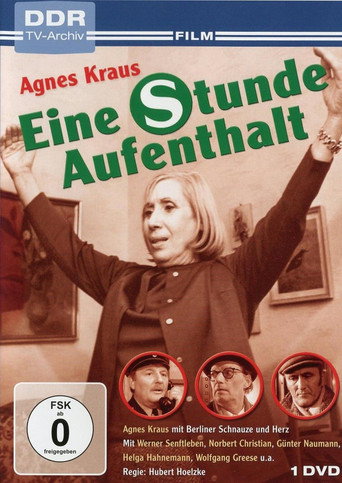
Eine Stunde Aufenthalt
A disruption on the Berlin S-Bahn: passengers have an involuntary one-hour layover at Frankfurter Allee S-Bahn station and use the time to take a closer look at their fellow passengers. Alice Räppel, a native Berliner with a heart and a snout, meets Egon Ziesemaus, who is usually plagued by bad luck. Klaus Fiedler, who wants to leave his family, gets to know the actress Inge, and other passengers also quickly make friends.

Mir nach, Canaillen
A wild story set in eighteenth-century Prussia. Alexander can do everything that a real devil of a fellow must be able to do: ride, shoot, love and devise clever plots. As a result, he is able to climb the ladder from herder to chamber master, where he makes a fool of the feudal lords.
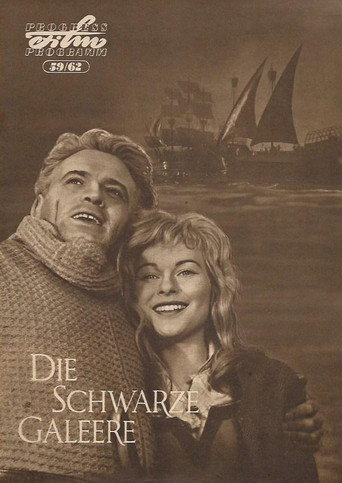
The Black Galley
Antwerp at the end of the 16th century. For the second time, the city falls into the hands of the plundering and murdering Spaniards. Jan and Myga are just ten years old. While Myga's father tries to come to terms with the Spaniards, Jan leaves the occupied country with his father. When Jan has grown into a young man, he joins the Geusen and is entrusted with the best ship as helmsman, the "Black Galley". He survives numerous battles and dangers, but one day he is captured by the Spanish. He frees not only himself but also his beloved Myga from the hands of the enemy. In 1609, the Spaniards are forced to finally recognize the independence of the northern provinces.
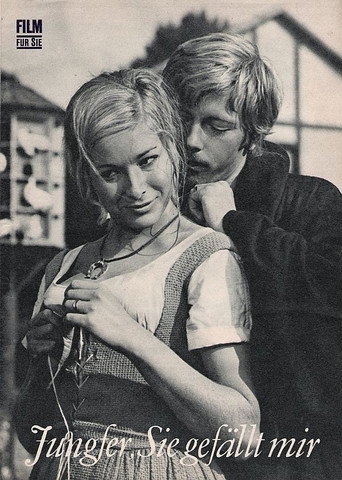
Maiden, You Please Me
A Saxon village in 1792: While the Prussians go against France, the haymaking takes place in the village and the resolute Marthe catches her daughter Ev with the village blacksmith Ruprecht in the hay.
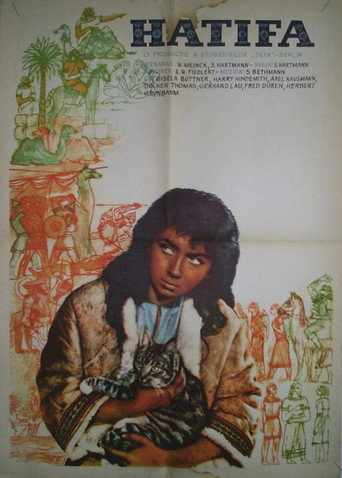
Hatifa
Hatifa is tired of her difficult fate and escapes from the place of her enslavement, a quarry in the desert. There she wanders around in freedom, but ultimately helpless, without water or food. Shortly before dying of thirst, she is saved by the sage Simsal, who is traveling with a caravan of the merchant Ganem. Hatifa quickly makes many friends, including the young servant Hodja. Only to him she confides her secret. The girl had to keep the fact that she was a slave to herself. After all, anyone who helps escaped slaves is mercilessly threatened with the death penalty. Out of consideration for the caravan, they both flee, but are soon picked up by Ganem. When he realizes that he can make a lot of money with Hatifa, he sells her again to a quarry.
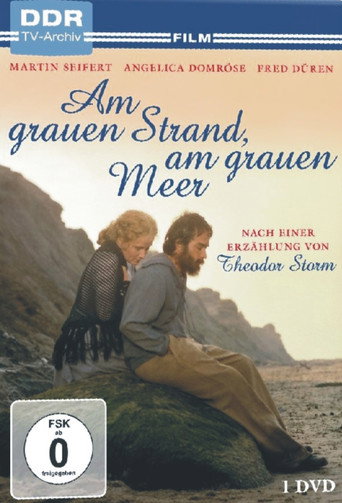
Am grauen Strand, am grauen Meer
An adaptation of Theodor Storm's novella "Hans and Heinz Kirch".
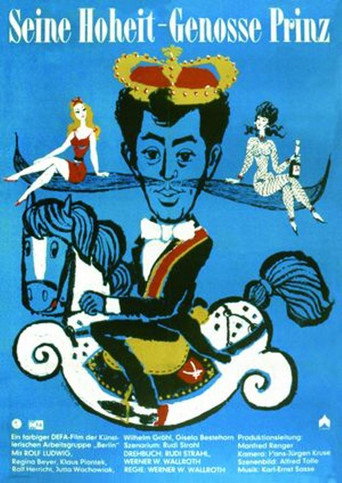
Seine Hoheit – Genosse Prinz
Kasper Mai, an export merchant and comrade with a “clean” record, discovers he is the prince of Hohenlohe-Liebenstein. His royal grandmother designates him as the heir to her estate. A private trip to her reveals that she does not want a NATO airbase built on her land. The GDR and his grandmother thus find a common interest, and a clever lawyer from the East works against other family members looking to settle their debts with the estate money.