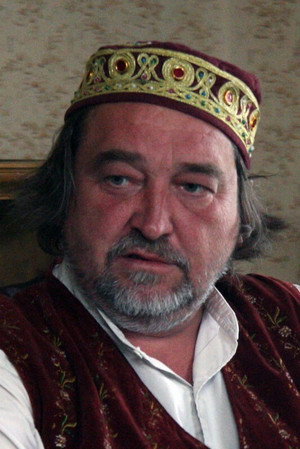
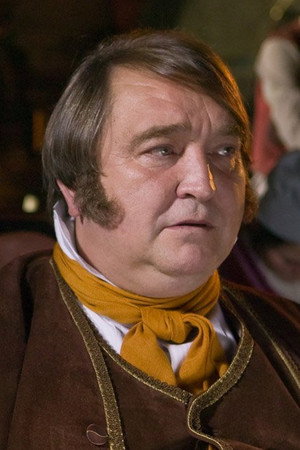
Otmar Brancuzský Movies, TV Shows, and Filmography

Otmar Brancuzský
Acting
Biography
No biography available.
Filmography Movies
Acting
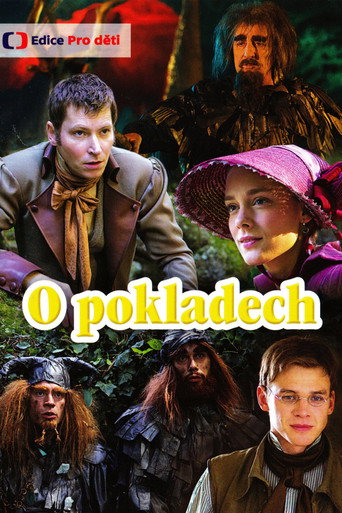
O pokladech
This fairy tale, full of humor and suspense, begins in a small town where preparations are underway for a theatrical performance. The play tells a local legend about enormous riches hidden deep underground. Many long to find them, but those who set out in search of them never return. The play features two sisters, Kačenka and Barborka, as well as Jakub, a musician and Barborka's jealous boyfriend. The theme of the play also attracts the miserly lord of the castle, Bořivoj Hájek z Hájku, who arrives with his brother Ignác, an eccentric inventor and researcher. And somewhere underground, near the real treasure, sit his three ghostly guards, passing the time by inventing all sorts of pastimes, which the Lord of the Underground does not enjoy at all. His patience will run out the moment the bored guards interfere with human destinies, because of a bet on how the love between Jakub and Barbora will turn out.
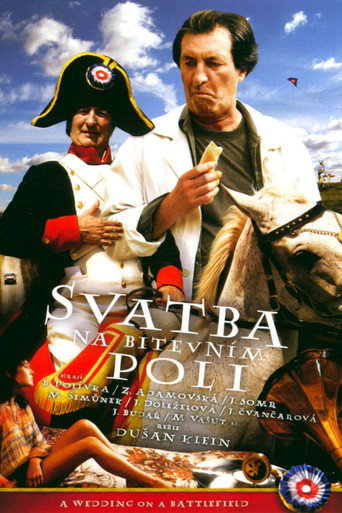
Svatba na bitevním poli
In the small Moravian town of Zvěstov, all the men live for historical battles. They represent the French army, led by their mayor Touchyn (Bolek Polívka), who has had a monopoly on the role of Napoleon for years. This time, they are preparing for a big event—the unveiling of a Napoleonic fountain in the neighboring town of Podolí, attended by television crews and journalists. However, the mayor of Podolí has bad news for Touchyn – this time he has hired a real foreign actor to play Napoleon, who looks more like him. Touchyn is offended and decides to ignore the ceremony. He convinces the people of Zvěstov to do the same, but they regret that they have rehearsed for nothing...
Tajemná truhla
In one town lived a bookseller named Bartoloměj. He loved his work and was content with his life, but there was one thing missing: a lovely wife. One day, a charming girl named Klárka entered his shop, and he fell in love with her at first sight. So when Klárka and her aunt, a confused witch, were driven out of their cottage by forest ghosts, Bartoloměj gladly took them in. But this did not please his servant Stanislav, who had planned to force his daughter on the bookseller as his wife. And so he conspired with the forest ghosts to commit a despicable betrayal...
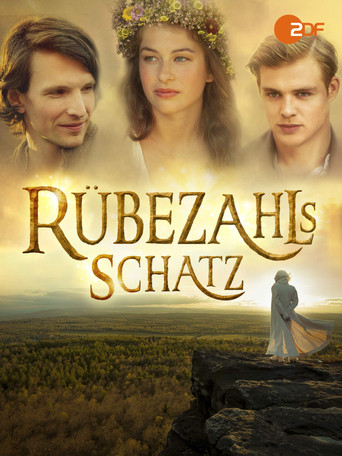
Rübezahls Schatz
The mountain spirit Rübezahl falls in love with the young maid Rosa. Blind with love, he does not notice that the Baroness of Harrant wants to plunder his gold treasures in order to build a sawmill in the Giant Mountains.
Small Town
Produced by Czech television, Mestecko (Small Town) is the directorial debut of theatrical veteran Jan Kraus. This episodic comedy is set in the small town of Mestecko (which literally translates to "small town") right before the Velvet Revolution of 1989. Tonda (Vlastimil Brabec) leads an ensemble cast of townsfolk who are eager to experience capitalism, but are unaware of how it's supposed to work. They set out to pull get-rich-quick schemes and end up creating their own version of free enterprise. For instance, a group of men run for office as a political party called the"Independent Eroticists" so they can hire a stripper to perform for the town. Individual business owners plot various schemes in order to participate in the new economy as the town heads into the '90s
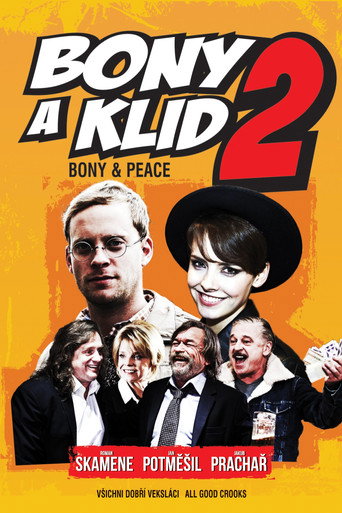
Bony a klid 2
Unemployed and in search of work, a young man gets roped into a series of shady schemes that unite a former band of money launderers.
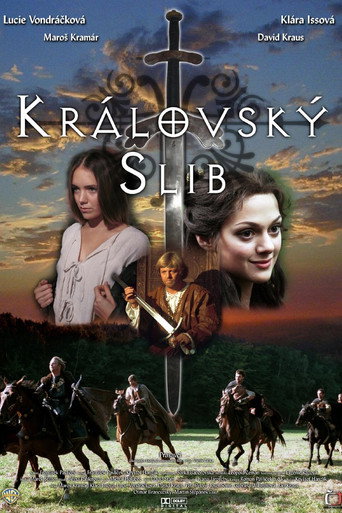
Královský slib
Our story begins years later. A grand engagement is being planned in the kingdom. The prince has come of age. The time has come for him to marry the daughter of a neighboring country. An ancient royal promise must be fulfilled! However, the prince has little desire to marry. He is more interested in the surrounding forests, the stream, the birds, and above all, freedom, than in court etiquette and his own wedding. The young man does not change his behavior even when the beautiful princess arrives at the king's invitation. However, she soon realizes that she and the prince are not suited to each other. They only agree on one thing—they both want to defy the king's promise. But how?
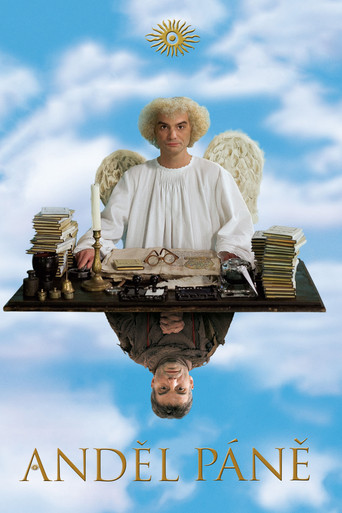
Angel
An angel who ruins everything he touches is sent to Earth to learn about love, forgiveness and selflessness -- and he has just one day to do it.
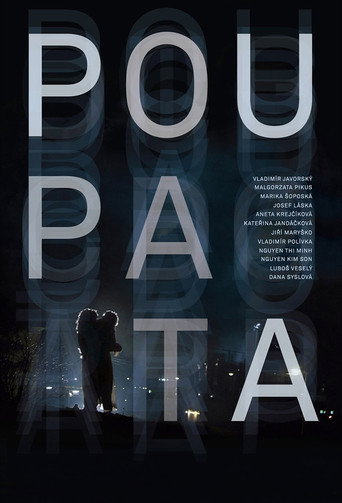
Flower Buds
Flower Buds tells the story of the gradual breakdown of a family living in a small town. Each character lives according to his or her own ideals. Agata wants a happy life far from home, fully aware that her only hope is to escape and therefore betray those close to her. Honza believes in the purity and power of love, regardless of the circumstances under which it is born. Kamila looks confidently to the future and does not intend to accept the misery of the present. The only Jarda knows that he will not change the world or himself. Aware of his weakness, he does not even try. In his mind, of course, his addiction to slot machines, which has led to a nearly impossible situation, is as certain as most gamblers' belief of an imminent win. The real and convincing attempt to rescue his family comes when it is too late. It is just a futile gesture, a desperate last ditch effort.
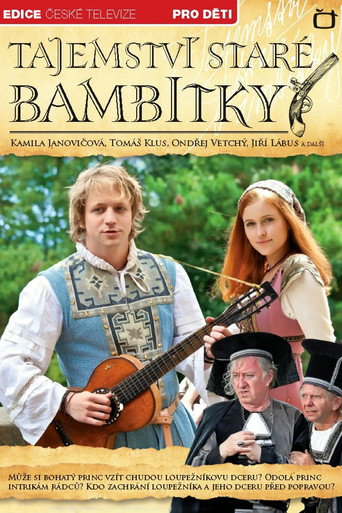
Tajemství staré bambitky
In a small kingdom where King William and Queen Olivia are perpetually away, corrupt councilors Ferenc and Lorenc exploit their power by piling on ever-higher taxes, only to have their unjust levies thwarted by the noble robber Karaba, who ambushes the tax collectors and returns the stolen money to the people. After the birth of his daughter Anička, Karaba retires his highwayman’s tools and resumes life as a humble potter, even as the royal couple welcomes a son, Jakub, and the ministers’ greed threatens to draw him back into defending the common folk.
Gallery