Directing
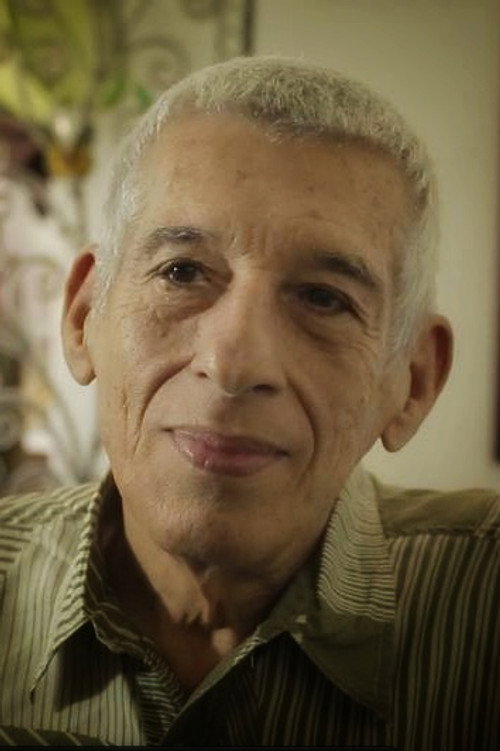
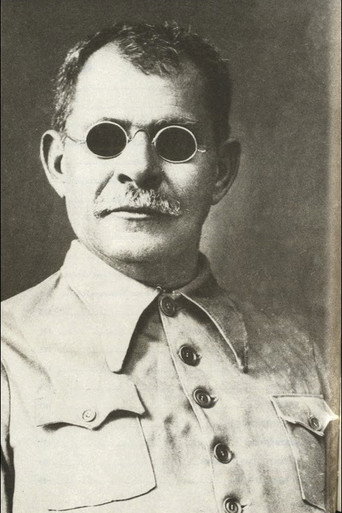
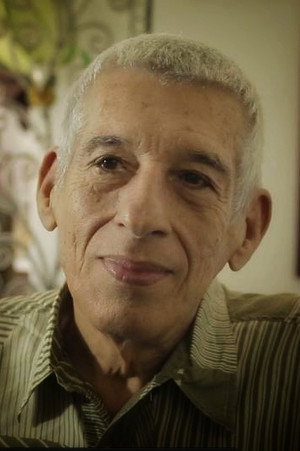
Orlando Sales de Senna (Lençóis, April 25, 1940) is a Brazilian filmmaker, writer and journalist.
A documentary short on Tempo Glauber, a foundation created by filmmaker Orlando Senna and Glauber Rocha's mother Lucia in order to celebrate and preservate her son's legacy.
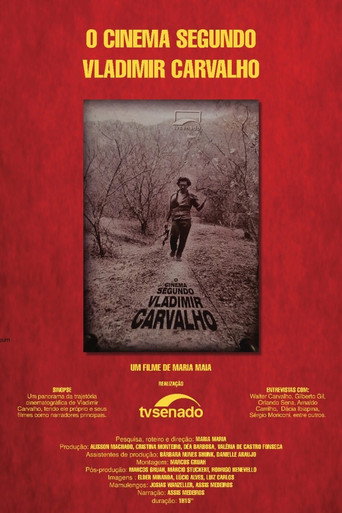
The documentary presents an overview of Vladimir Carvalho's cinematographic career, from the very beginning, as a co-writer of “Aruanda” (1960), directed by Linduarte Noronha, to the present day. With Vladimir himself as the main narrator and illustrated by scenes from his films, the documentary also features interviews with Gilberto Gil, Orlando Senna, Arnaldo Carillo, Dácia Ibiapina, Fernando Duarte, Sérgio Moriconi, among others.
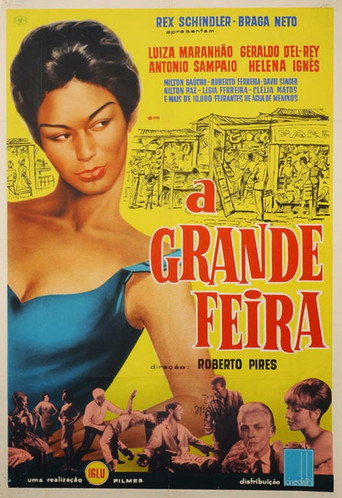
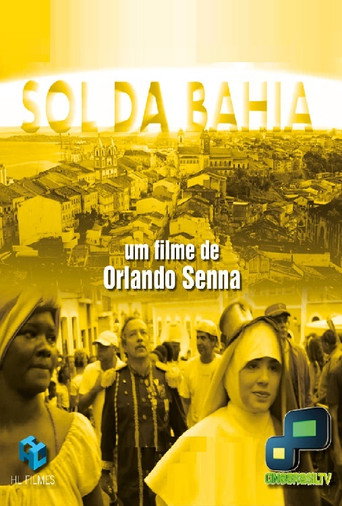
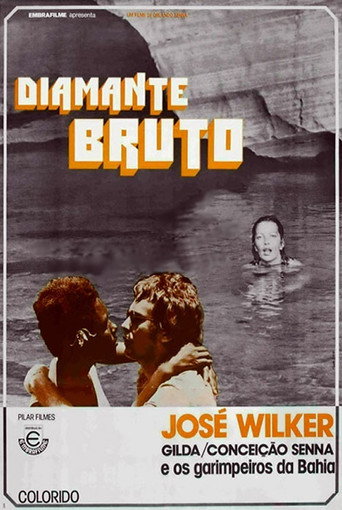
The naive sailor Ron arrives in Bahia to visit the famous Água dos Meninos street market. There, however, he is passed behind by the prostitute Maria, lover of the bandit Chico Diabo, who stabs him. He, however, can't forget her.
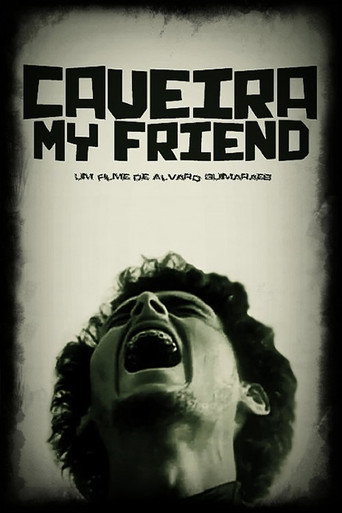
The adventures of a gang of thieves and murderers led by violent Caveirinha. A radical disruption proposal from the postulates of the Cinema Novo, a film with a loose narrative structure. Through the actions of a group of outlaws, the director sews in scenes that propose iconoclasm and elation as forms of opposition to the military dictatorship oppression.
32 renowned Brazilian screenwriters of the contemporary Brazilian cinema talk about their creative processes. From the concept of script to their agreements and disagreements, going through their experiences with filmmakers, their reaction to the finished film, critic, and even controversies on auteurism.
Documentary about Brazilian filmmaker Glauber Rocha, one of the most important names in the Cinema Novo, with interviews with some of his friends and colleagues.
A behind-the-scenes look at the making of Glauber Rocha's 1980 production "A Idade da Terra" (The Age of Earth), including unedited clips taken from the sixty hours of recovered raw footage.
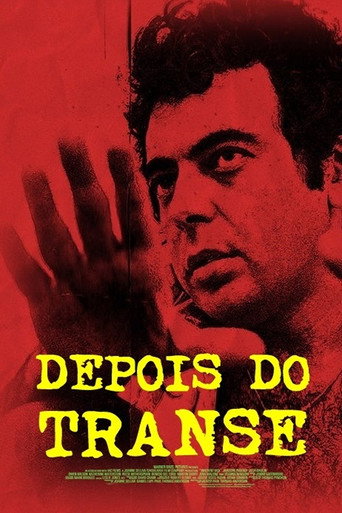
The documentary "Depois do Transe" covers the entire process of creating the masterpiece "Entranced Earth", which was released and awarded at the Cannes Film Festival in 1967. "Entranced Earth" charmed the world and won great admirers such as filmmaker Martin Scorsese and the writer Marguerite Duras, who at the time considered a "fabulous filmic opera."
Documentary-manifest in defense of the inclusion of the Brazilian short film in the national cinema circuit, accompanying each foreign feature film as a market reserve
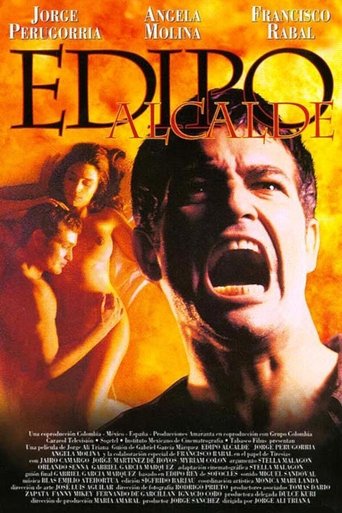
Edipo, is appointed mayor of a town plunged in misery and violence. His first mission is to discover and punish the murderers of Layo, a well-known potentate of the region. His investigation is directed towards all the armed factions that exist in Colombia.
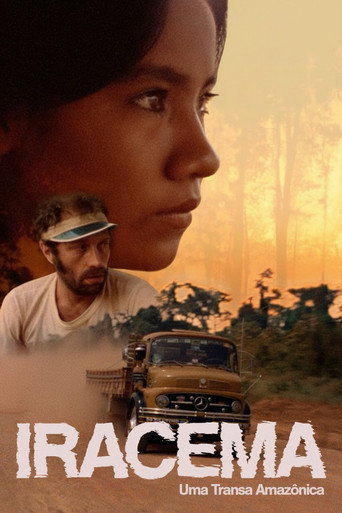
A girl from the countryside goes to the city of Belém to take part in the Círio de Nazaré celebrations. Led to prostitution, she wishes to move to the wealthiest Southeast region of Brazil. In a dance club, she meets a truck driver that transports wood. Dreaming with the big city, she asks for a ride, and the two begin a journey through the Trans-Amazon road. In tension with the Brazilian military authorities of the time, the film registers several aspects of the Amazon social tragedy – forest fires, slave work and child prostitution. Awarded in several international festivals, the film was forbidden by the Brazilian censorship. It was only released years later, winning the Brasília Film Festival in 1981.
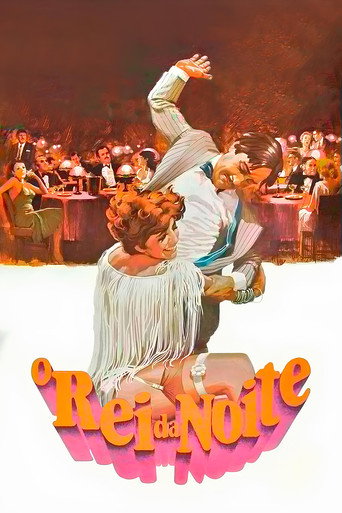
In Rio de Janeiro's bohemian district called Lapa, during the '40s, a stylish and popular scoundrel exploits a cabaret singer, and earns his living by means of petty swindles. But then he meets Ludmila, the cabaret owner's daughter, who wants to get rich smuggling goods in times of war.
In the 1940s, São Paulo nightlife is the setting for Tezinho's love affairs. In love with Aninha, he needs to get away from the girl and ends up getting involved with other women, including an obsessive relationship with a prostitute.
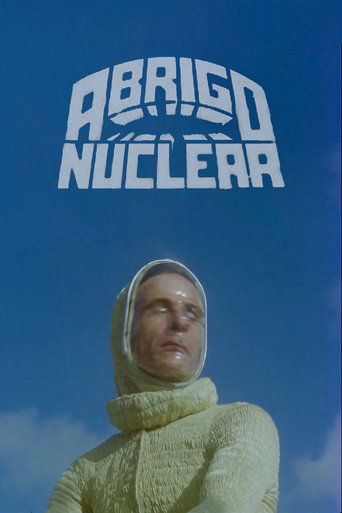
Our planet was contaminated by many nuclear explosions that left the soil and the air filled with radiation, and now the few survivors of those catastrophic events live under the ground on a shelter controlled by scientists. After an incident inside the shelter, a group of rebellious scientists defy their leadership when they find a good possibility of returning to the surface.