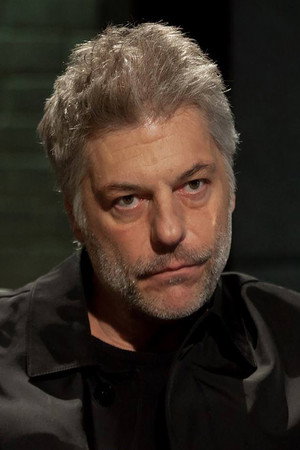
Orhan Edip Ertürk Movies, TV Shows, and Filmography
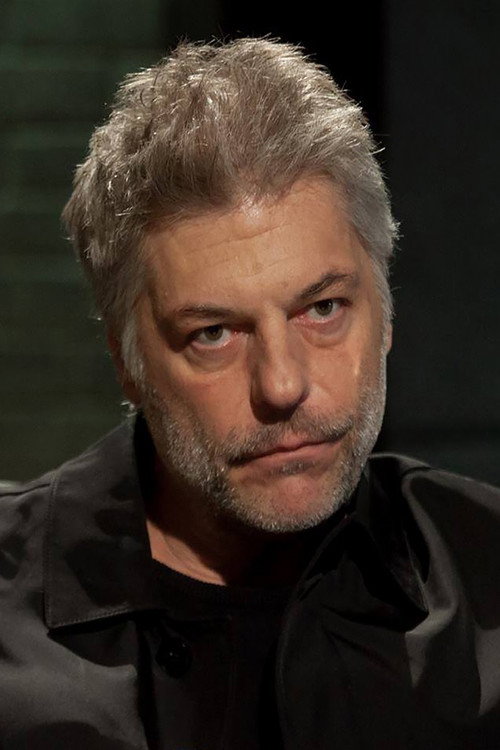
Orhan Edip Ertürk
Acting
Biography
No biography available.
Filmography Movies
Acting
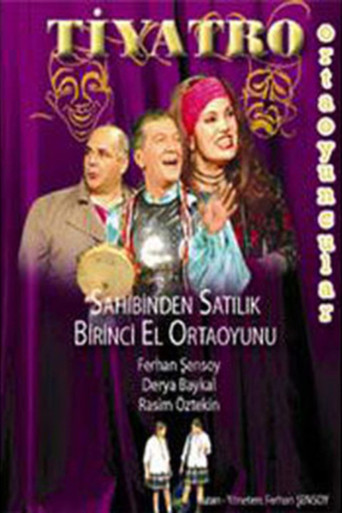
Sahibinden Satılık Birinci El Ortaoyunu
From Ferhan Şensoy, a humorous comedy with a high dose of laughter about today's technological revolution... With computerized communication entering every aspect of our lives, you will enjoy watching the play, which describes the alienation of society in a satirical language, and see what trouble the virtual world has brought upon us, accompanied by mischievous jokes... In the virtual realm, Şensoy satirizes digital emotions, declaring, "We are in the highly electronic F-type Internet world."
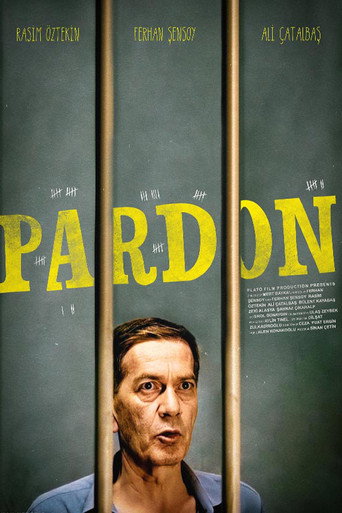
Pardon
Based on a true event, Pardon tells the tragicomic story of three friends who end up in prison when they are mistaken as members of a terrorist organization. Ibrahim's fear of uniforms makes him runaway whenever he sees one. Because of this, police mistakes him with a terrorist and takes him and his friend Muzo into custody. Fooled by the police during the interrogation they name another friend, Aydin, in hope of saving themselves. As they all end up in prison, they remember the families and lovers they left behind.
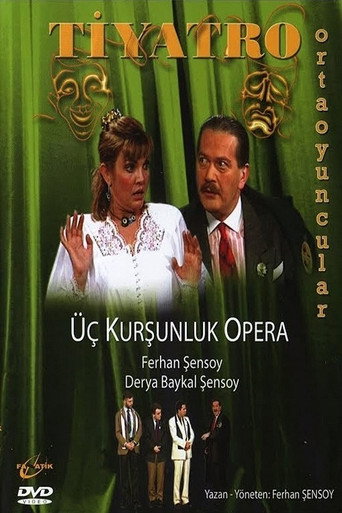
Üç Kurşunluk Opera
Ferhan Şensoy says the following about The Threepenny Opera: "When updating Brecht's (The Threepenny Opera) 67 years later, I sometimes approach John Gay's "The Beggar's Opera." For example, in the original work performed 267 years ago, Mack the Knife was a folk hero, while in Brecht's version, he is an ordinary thief. Our own Mahmut is a Kemalist gangster. But we don't stray too far from Brecht; in our play, too, the wrong characters say the right things. And yet The Threepenny Opera is not an opera. It is not a Brecht 'work.' It is an epic farce as close to Brecht's Kel Hasan Efendi as it is to his own work."
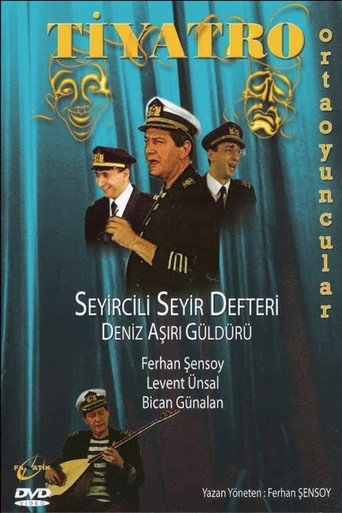
Seyircili Seyir Defteri
Ferhan Şensoy and his team perform their play, which takes place inside a ship, from inside the same ship for their audience. Ferhan Şensoy, a true wordsmith, plays the captain, and the ship's crew returns from a long voyage and sets sail for Turkey. When they see the state of the country, they decide to turn back, saying, "Take it, it's yours." Deeply troubled by the public's tendency to accept every new crisis as normal, Şensoy remarks, "In another country, the people would rise up and protest, but here, such things do not occur," and in his "Audience Logbook," he critiques the nation's issues using the vernacular of the people.
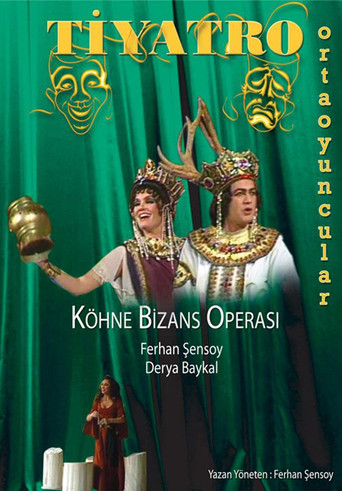
Köhne Bizans Operası
A harmonious comedy, not with subtle references, but with dialogues flowing in empirical (made-up) Byzantine derived from our language, this is a classic. The conversations between Justinian and Theodora, the plans of the revolutionary greens who are after Justinian's death. You will want to watch this palace comedy, which has left its mark on our memories with the conversations in the Gothic language and the gossip of the guards, over and over again…
Gallery