Acting
No biography available.
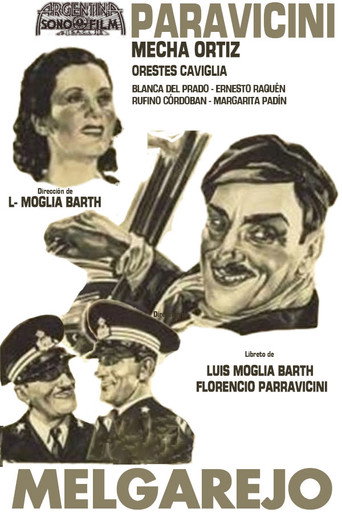
An adultery-induced woman is helped by her driver who discovers the villains.
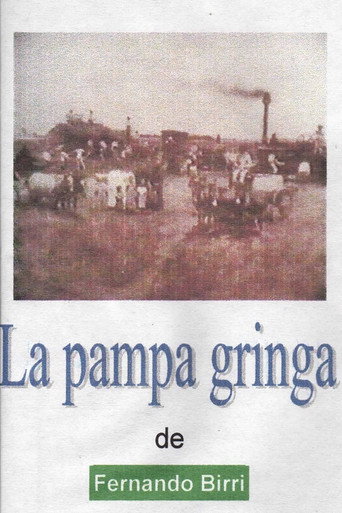
“My life was the same as that of thousands of gringos: I plowed and sowed the land, and went to the bar on Sunday.” Such is the refrain throughout LA PAMPA GRINGA, which endeavors to relate the sense of community built by the European settlers who in 1865 first colonized the town of Esperanza, located in Birri’s native province of Santa Fe. Largely consisting of juxtaposed daguerreotypes from the period and newspaper printings, LA PAMPA GRINGA exhibits Birri’s ability to weave narratives out of historical documentation in deft, admirable form.
In 1840, a caravan of carts headed from Buenos Aires to Córdoba carrying merchandise, ammunition and prisoners, against the background of the struggles between the Unitarians and the Federalists.
In 1812, the Argentine people and the army of the north resist the royalist advances.
A musical film with a performance by the group that was very fashionable at the time, El Cuarteto Aguilar. It was produced in 1936 but was never released.
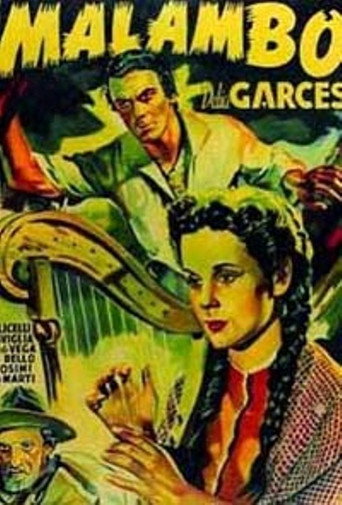
Based on a quechua legend, Malambo tells the story of a woman who lost her husband and son because of the greedy patrón of an hacienda. She swore that she would never remove the cloth over her eyes until her dead were avenged by the deaths of the patrón and his daughter. Nature seems to be on her side, since a drought has afflicted the land. Her other son, Malambo, accepts the duty of revenge. Malambo is no normal human: he is the runa-uturungo, or Hombre Tigre, of Quechua lore, and he cannot be wounded by bullets. He leads the obreros to rise in revolt and defeats the patrón. However, instead of killing the patrón's daughter--the blind Urpila --he falls in love with her, thereby breaking his mother's heart.
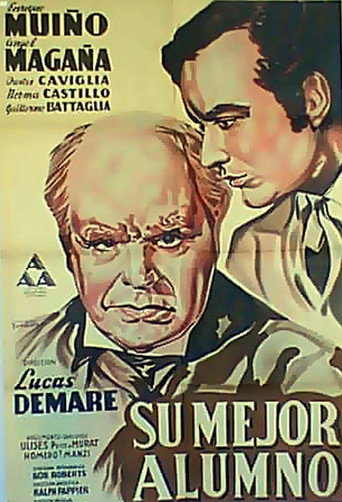
The film tells the story of the natural son of a former president of Argentina and father of public education in the country, Domingo Faustino Sarmiento, named Domingo, according to the first autobiographical accounts.
An Argentine who emigrated to the United States finds himself by chance in Argentina for business. There he hires a woman, Paula, who is from a traditional but poor family, and he finds himself falling in love with her.
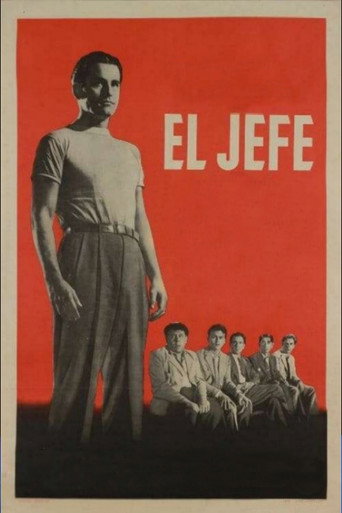
The head of a criminal gang has all the power among his men until one decides to testify against him.
The lives, loves and vicissitudes of a group of circus performers in the Argentine Pampas around the turn of the century are played out in this drama with songs.
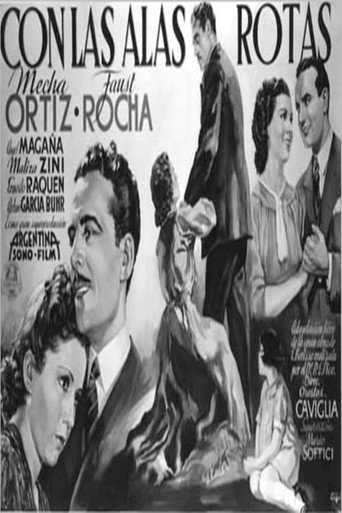
A man finds out his wife had a lover and abandons her, but first he gains custody of their daughter.
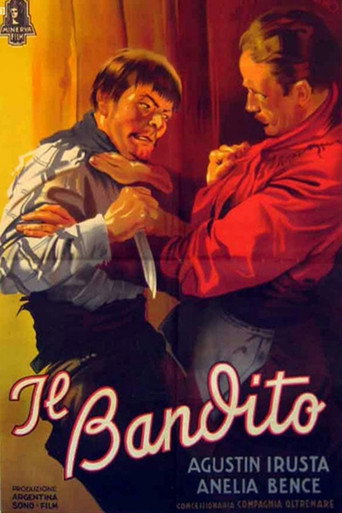
A gaucho unjustly accused of murder becomes a dangerous nomad.
A retired army captain runs a farm using military methods.
A man returns to the town where he abandoned his wife and daughter for ten years.
Adaptation of the play "Casada pronto verte quiero".
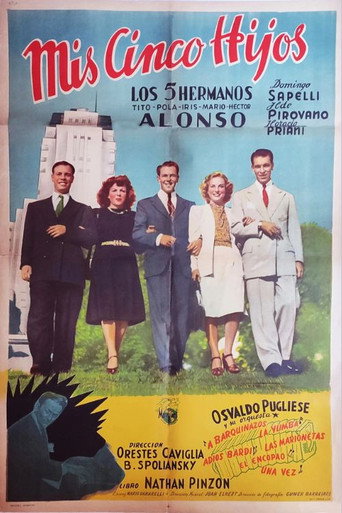
After reaching retirement age and leaving his job, a father devotes all his attention to helping his children transition smoothly into their adult lives.