Oona Mosna Movies, TV Shows, and Filmography
Oona Mosna
Production
Biography
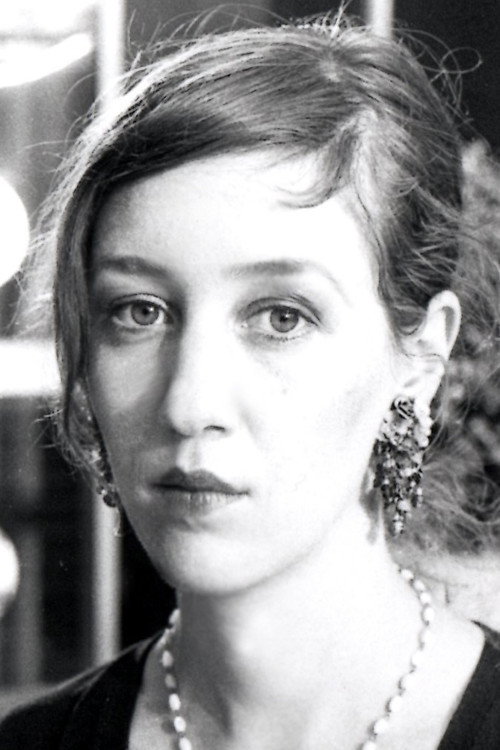
Oona Mosna is an artist, author and curator living and working in Windsor-Detroit and internationally. She has organized thousands of single screenings, retrospectives and performances with artists including Yoko Ono, Mati Diop, Barabara Hammer, Sergei Loznitza, Apichatpong Weerastethakul, Ephraim Asili, Valie Export, Kevin Jerome Everson, Artavadz Pelechian and hundreds more for venues including the Toronto International Film Festival, The Presidential Palace (Santiago, Chile) and the Detroit Institute of Arts. Mosna has also produced dozens of avant garde films which have screened at The Museum of Modern Art, Tate Modern, the Whitney Museum of American Art, Smithsonian Museum of African American History and Culture, the Berlinale, New York Film Festival, etc. She is director of Media City Film Festival since 2005.
Filmography Movies
Acting
Ride Like Lightning, Crash Like Thunder
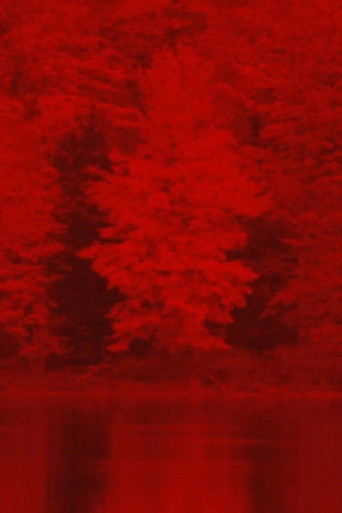
Through softly textured 16mm photography and regional iconography, Silva offers a modernist reflection on two of upstate New York’s most storied 19th century touchstones—the landscape painters of the Hudson River School and the legend of Rip Van Winkle—nodding to a few musical heroes along the way.
To Be Here
Production
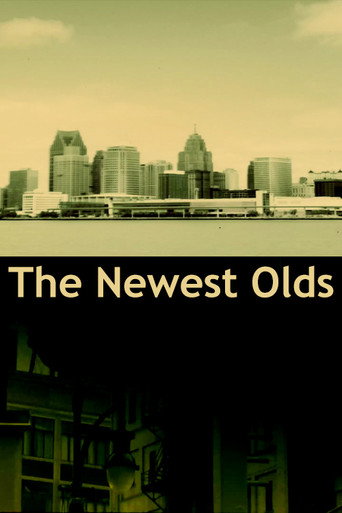
The Newest Olds
The Newest Olds is the second installment in Argentinian filmmaker Pablo Mazzolo’s cinematic diptych exploring the natural and urban environment within and surrounding the border region of Windsor–Detroit. Completed seven years after the release of Fish Point (2015), Mazollo’s revelatory study of light and landscape that animated the deciduous forest harbours and rare ecosystem at the southeastern tip of Pelee Island, The Newest Olds transforms Detroit’s iconic cityscapes, dislodging buildings from their foundations and collapsing the physical, political, and sensory boundaries between Canada and the United States through alchemical, in-camera, and optical printing techniques.
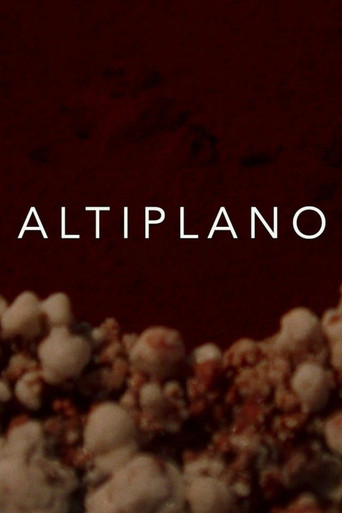
Altiplano
Filmed in the Andean Mountains in the traditional lands of the Atacameño, Aymara, and Calchaquí-Diaguita in Northern Chile and Northwest Argentina, ALTIPLANO takes place within a geological universe of ancestral salt flats, volcanic deserts, and coloured lakes. Fusing earth with sky, day with night, heartbeat with mountain, and mineral with iridescent cloud, ALTIPLANO reveals a vibrating landscape in which a bright blue sun threatens to eclipse a blood-red moon.
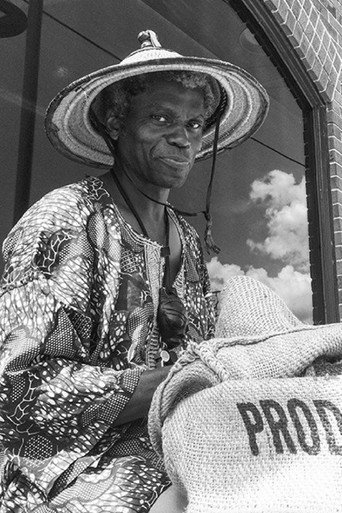
Fluid Frontiers
Shot in Detroit and Windsor, Fluid Frontiers is the culmination of Ephraim Asili's project exploring the artist's relationship with the African Diaspora, structured around unrehearsed readings of poems originally published by the Detroit-based Broadside Press.
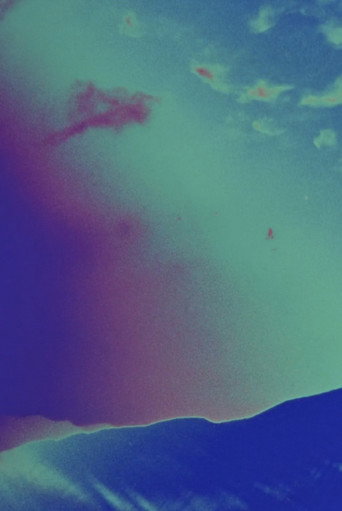
earthearthearth
The expansive mountainscapes of the Andes are the basis for this new, 35mm film by Daïchi Saïto. Once again propelled by the free, pulsating improvisation of saxophonist Jason Sharp, in which his heartbeat and breathing play a prominent role, the series of images slowly becomes more abstract. The end result is a hypnotic, sensory meditation on ‘our’ earth.
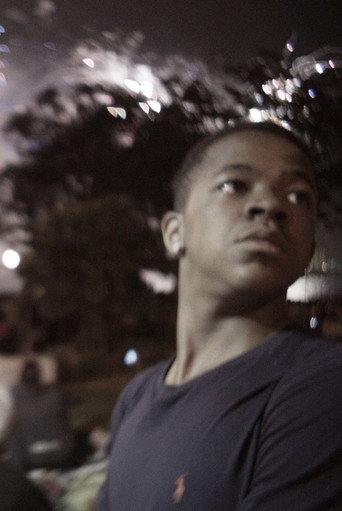
Grand Finale
KJE captures the grand finale of Emancipation Day, the annual Detroit River Fireworks, in 2014. Founded by Walter Perry, Emancipation Day was celebrated in Windsor, Ontario, Canada, every August 1 from 1932–1967 to mark the anniversary of British Parliment’s abolishment of slavery in 1834. Also known as The Greatest Freedom Show on Earth, the festival was large enough at one time to double the city’s population. As Emancipation Day became increasingly associated with the Freedom Movement across the border, the Windsor Police Department and city council began to push against the event, eventually culminating in its cancellation in reaction to the Detroit rebellion in 1967.
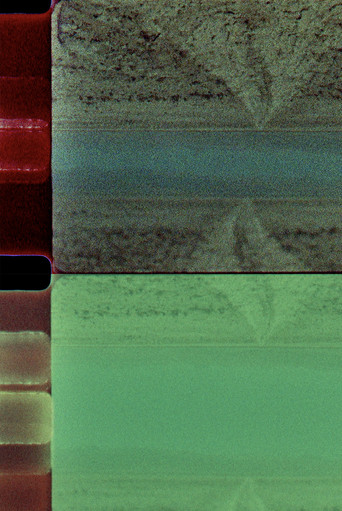
Desert Series I – Atacama
Filmed along the border between Argentina and Chile, "Desert Series I – Atacama" is the next chapter in Price's luscious landscape project, "Sea Series" (2008-2016). Price makes use of the optical and mechanical possibilities of analog cinema, and the incredible landscape of the Andean mountains to create alchemical spells that swirl across the screen. "Desert Series I – Atacama" is one of a few new films created by this celebrated avant-garde filmmaker that were commissioned by Media City Film Festival's Underground Mines project.

It Seems to Hang On
It Seems to Hang On is based on the true story of the serial killers Alton Coleman and Debra Brown, a young Black couple who cut a violent path beginning in the summer of 1984 through the American Midwest (Ohio, Kentucky, Michigan, Indiana, Illinois and Wisconsin). The dialogue spoken in the film is inspired and based on lyrics from the American soul duo (and couple) Ashford and Simpson's 1979 hit song "It Seems to Hang On".
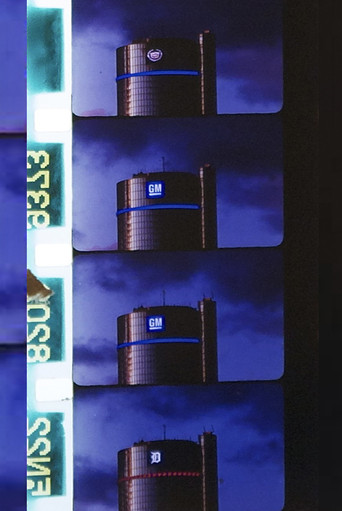
Renaissance Center / GM Tower
An artificial animation of the repetitively cycling GM logo sequence and naturally occurring movements, such as clouds reflected in the tower’s windows. This grid of flat planes breaks the reflections up into rectangular fragments that resemble film in both its appearance and manner of operation.
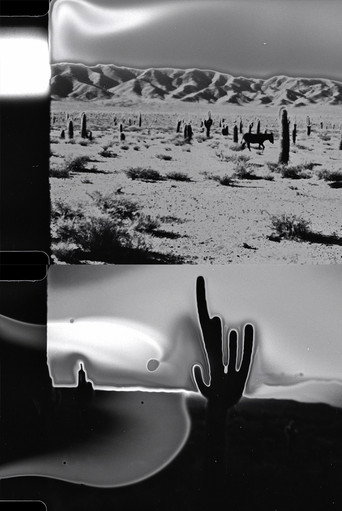
Desert Series II – Payogasta
Filmed along the border between Argentina and Chile, "Desert Series II – Payogasta" is the next chapter in Price's luscious landscape project, "Sea Series" (2008-2016). Price makes use of the optical and mechanical possibilities of analog cinema, and the incredible landscape of the Andean mountains to create alchemical spells that swirl across the screen. Desert Series II – Payogasta is one of a few new films created by this celebrated avant-garde filmmaker, as part of Media City Film Festival's Underground Mines project.
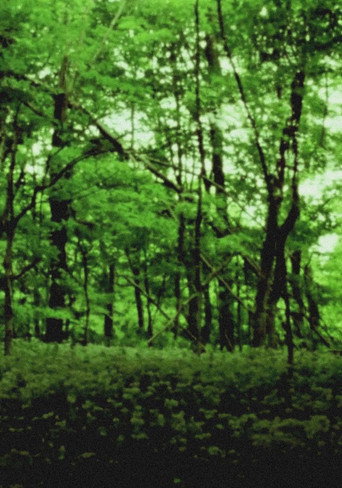
Fish Point
An impressionist, kinetic exploration through the natural landscape of Fish Point Provincial Nature Reserve on Pelee Island (Ontario, Canada).
Gallery