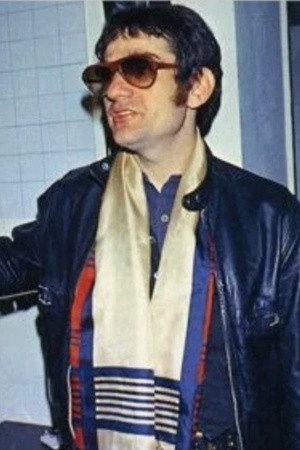
Ondine Movies, TV Shows, and Filmography
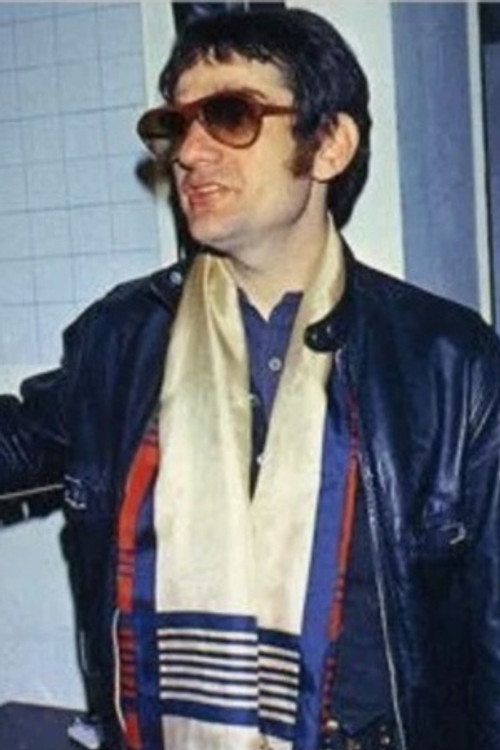
Ondine
Acting
Biography
Robert Olivo (June 16, 1937 – August 28, 1989), better known by his stage name Ondine, was an American actor. He is best known for appearing in a series of films in the mid-1960s by Andy Warhol, whom he claimed to have met in 1961 at an orgy.
Filmography Movies
Acting
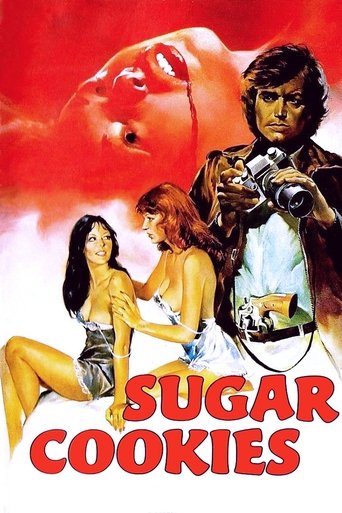
Sugar Cookies
A film producer murders his star actress during an erotic "game" and makes it look like suicide. The dead girl's lesbian lover discovers what happened, and plots her revenge.
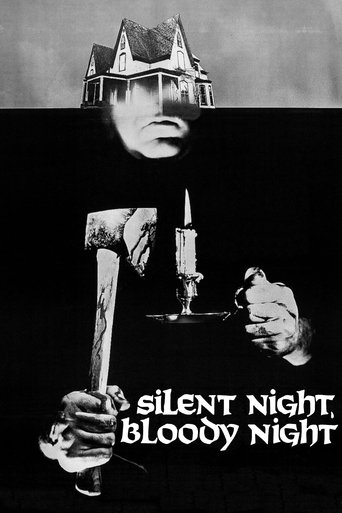
Night of the Dark Full Moon
A man investigates the grisly crimes that occurred in a former insane asylum, unsettling the locals who all seem to have something to hide.
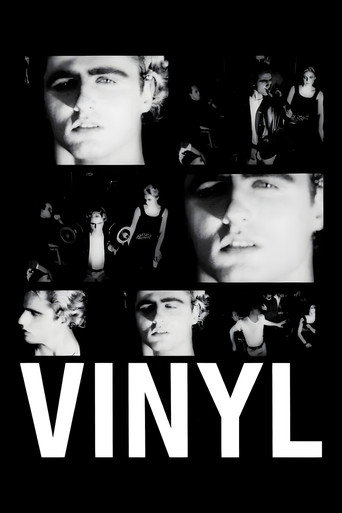
Vinyl
Andy Warhol’s screen adaptation of Burgess's "A Clockwork Orange”.
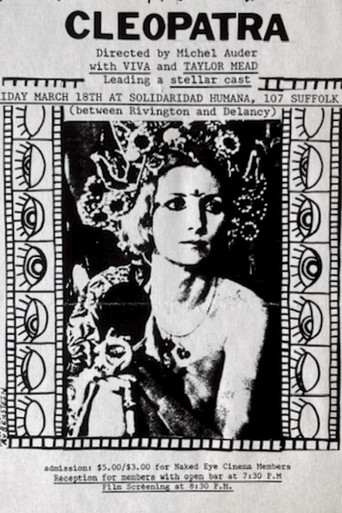
Cleopatra
Cleopatra situates itself in the same relationship to Hollywood as the Warhol/Morrisey films of the period. It corresponds to Joseph Mankiewicz's 1963 Cleopatra, starring Elizabeth Taylor and Richard Burton which Auder's cast watched and used as the starting point for scene by scene improvisation Auder drew his cast from Warhol's ensemble – including not only Viva and Louis Waldon, but also Taylor Mead, Ondine, Andrea Feldman, Gerard Melanga and others.
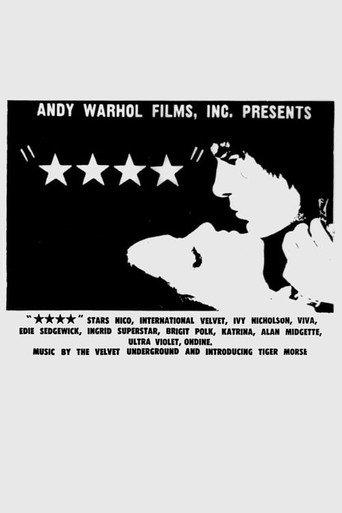
Four Stars
Photographed entirely in color, Four Stars was projected in its complete length of nearly 25 hours (allowing for projection overlap of the 35-minute reels) only once, at the Film-Makers' Cinematheque in New York City. The imagery in the film is dense, wearying and beautiful, but ultimately hard to decipher, for, in contrast to his earlier, and more famous film Chelsea Girls, made in 1966, Warhol insisted that two reels be screened simultaneously on top of each other on a single screen, rather than side-by-side. The film's title is a pun on the rating system used by critics to rank films, with "four stars" being the highest rating. From Wikipedia.
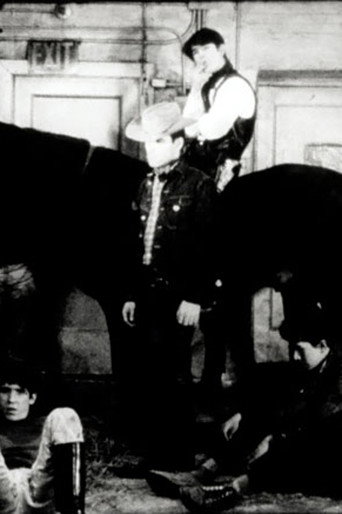
Horse
Warhol plunked a horse named Mighty Byrd in the middle of the Factory for this dark, homoerotic take on the classic oater that later anticipates his later western epic Lonesome Cowboys.
Heaven Wants Out
Once a hot spot, the Bowery Follies Cabaret is now just another broken down New York City nightclub populated with the last vestiges of vaudeville entertainers, misfits and a headliner known as Heaven. She, like the club, has been there too long. In a drunken reverie, she wanders through the lives of the men who watch her sing night after night, looking for love ...trying to make sense of how she got there in the first place, hoping, for a ticket out.
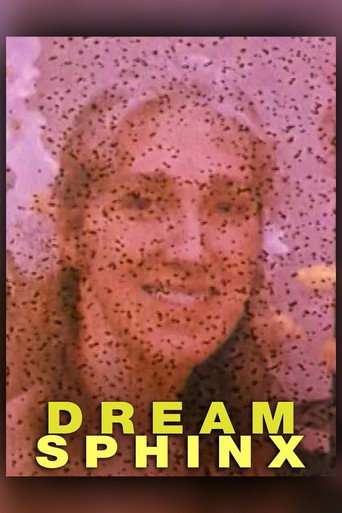
Dream Sphinx
Ondine and Sally Dixon "star" as ecstatic 19th century lovers in Jacoby's first home-processed film.
Floria
Experimental filmmaker Roger Jacoby animates his muse, Ondine, as the villainous Scarpia in snippets from Giacomo Puccini's "Tosca." Freely mixing melodramatic gestures from his actors with a ruined soundtrack of static and full-on textural experiments that simulate decayed nitrate film bursting with color or fading to white, Jacoby finds emotional release in repeating Floria Tosca's leap to her death. A visual feast from the former painter who shows a creative command of celluloid, both figural and abstract. - Marilyn Ferdinand
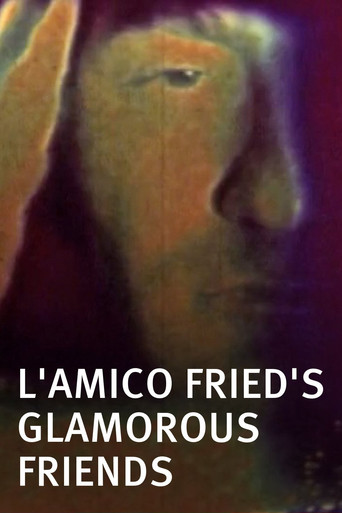
L'Amico Fried's Glamorous Friends
L'AMICO FRIED'S GLAMOROUS FRIENDS "...is built around a pas de deux by Ondine and Sally Dixon... with a quickness of breath and dryness of the throat one is apt to say, 'What is that!' as if peering into some exotic fog. The sometimes lovely and sometimes not beautiful but nearly always exquisite collisions of light and shadow upon the screen which seduces us... And may as likely cause one to squirm in one's seat..." - Carmen Vigil, former Program Director of San Francisco Cinematheque
Gallery