Acting
Oliver Csendes (3 July 1963 - September 1, 2001) was a Hungarian actor.
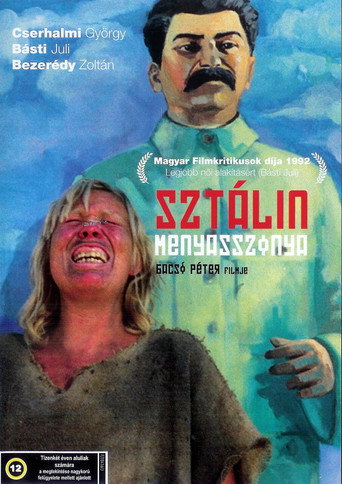
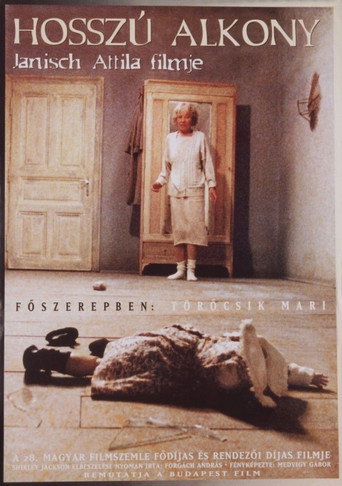
At a dusty crossroads in the Soviet Union villagers surrender their possessions - a horse, a samovar, a goat - to the state. The train which takes them away brings to the village a physically and mentally handicapped woman, barely able to speak. She makes herself bracelets of burrs and studies herself in a cracked and cloudy mirror. Befriended by very few, teased and tormented by many she seeks protection at a huge portrait of Stalin.
A cross-section of the relationship between the two great figures of French symbolism, Arthur Rimbaud and Paul Verlaine.
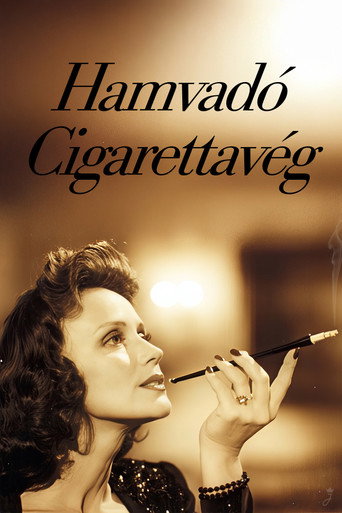
1942. Owing to a stolen mink coat, Süti, the young poet and journalist, gets acquainted with Katalin, the idolated singer. Before being drafted to labour service, he shows the actress the song he composed for her, entitled Smouldering Cigarette.
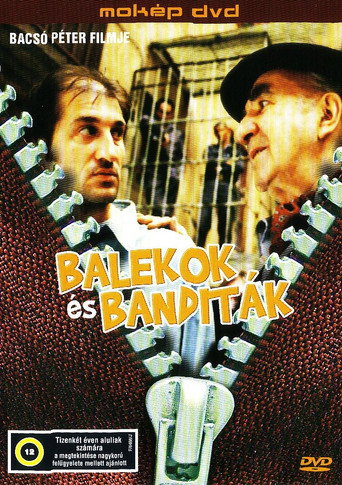
The film has a broken meaning, the last time he was a proofreader for a book publisher, he is now unemployed. Ever since he was a child, he has always been the one who pulls the short one, and he takes the wrong one. At the beginning of the film, he finds himself in such a "bunbak" situation again, and then he decides to become a professional bunbak...
A tale about an independent-minded university professor who leaves her family to travel across the countryside to visit a friend.
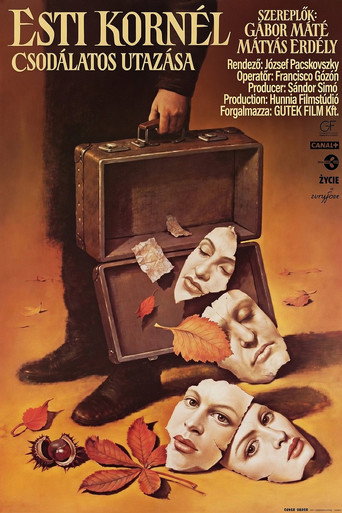
Middle-aged writer (Kornél Esti) travels to Germany to deliver a lecture. During the long journey he recalls the memories of an other journey he made thirty years ago.
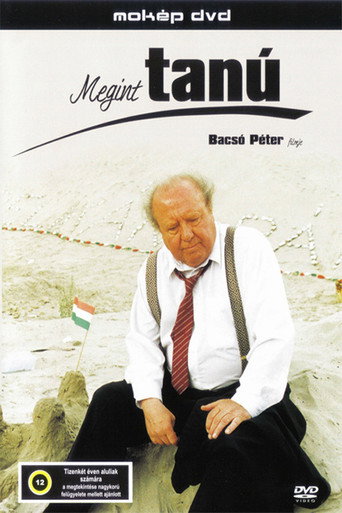
The Witness (Hungarian: A tanú, also known as Without A Trace), is a 1969 Hungarian satire film, directed by Péter Bacsó. The film was created in a tense political climate at a time when talking about the 1950s and the 1956 Revolution was still taboo. Although it was financed and allowed to be made by the communist authorities, it was subsequently banned from release. As a result of its screening in foreign countries, the communist authorities eventually relented and allowed it to be released in Hungary. It was screened at the 1981 Cannes Film Festival in the Un Certain Regard section.[1] A sequel was made in 1994 named "Megint tanú" (English: Witness Again).
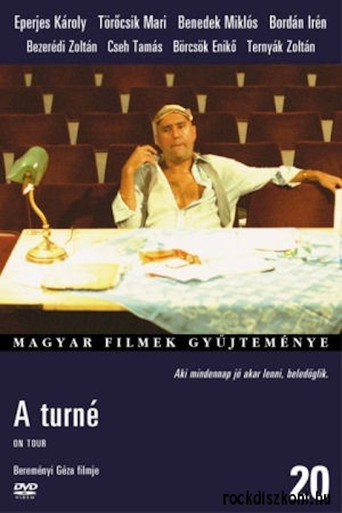
This Hungarian comedy depicts the exploits of 8 members of a travelling troupe of actors and musicians as they move about the country performing a series of one night stands.
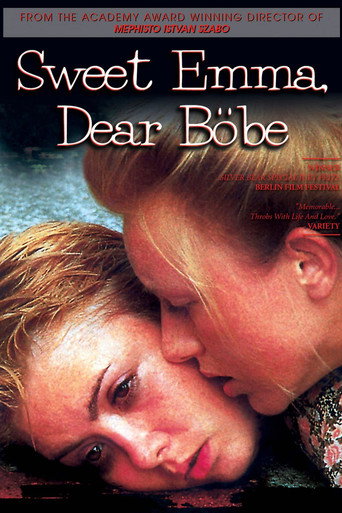
The story shows Emma's and Böbe's fight for survival, for keeping their position in society which they achieved with hard work in the previous regime. They don't want to lose their place and become village girls again.
1989 in Budapest. A gang of teenagers is roaming about in the city. They are hanging around, longing away from here, their parents do not care about them. They sustain themselves by breaking up cars and by minor robberies.