Production
No biography available.
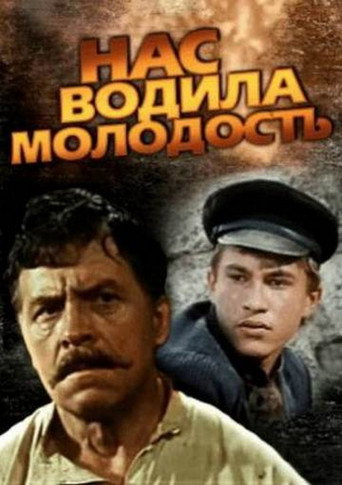
About the guys from a working-class village who formed a combat unit to help the Red Army. The action takes place during the Bolshevik coup in Kuban.
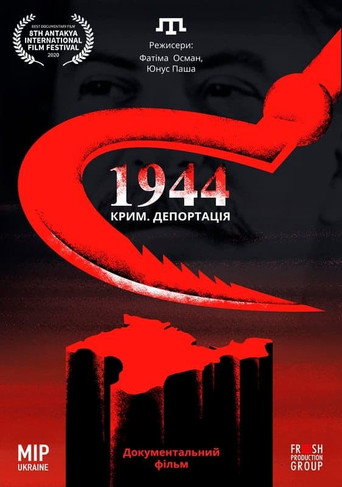
In 1944 Crimean Tatars has suffered a long road in exile. It was accompanied by famine, illness and loss. In the first years of exile, almost half of deported Crimean Tatars died. But those, who survived, dreamed of only one thing - to return to Crimea. The documentary 1944 tells about the tragedy of all Crimean Tatars through several separate life stories. They are cherished by each Crimean Tatar family and must be remembered by all generations to come.
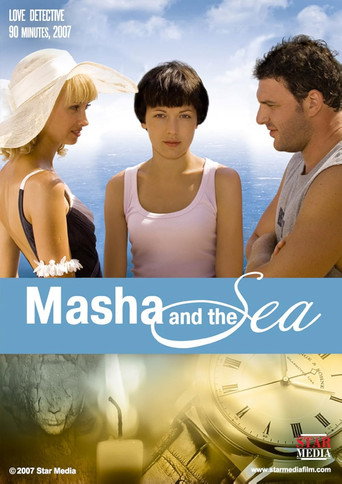
Young girl Masha is going to the sea for the fist time in her life.
Short story which describes that each of us has weaknesses, against which our conscience stands. And all of us always or rarely tries to agree with it. This life dilemma is understandable and close to everyone. The film gives an opportunity to viewers to look at yourself from the side and, causing them a smile, maybe, to reconsider their relationship with conscience in something. The film is embodied in the genre of tragicomedy on the verge of farce, will be interesting to the general public as well as to the experienced viewer.
Among the living beings who like to hide from their owners, today in the first place - a mobile phone. It's easy to find if you have another cell phone. If there is no other - the search can turn into a detective, drama, comedy, absurdity. In order to unravel this detective, not turning it into a drama and smile at the absurd, the hero of the film "Gift" needed one April night and the help of half the village.
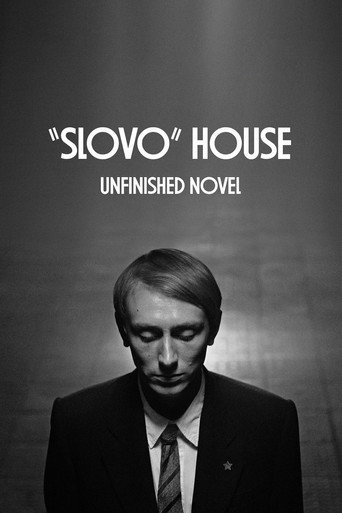
Kharkiv, the 1930s. The heyday of Ukrainian art. Ambitious young poet Vladimir Akimov happily settles in at the new luxury "Slovo" House built specifically for artists. He comes from the provinces and works as a proof-reader in a printing press, and has never even dreamed of living under one roof with prominent Ukrainian writers and artists. He thinks his own poetry is genius, but nobody takes his literary efforts seriously, not to mention the occasional chuckles over his epigone poems. But fate smiles at him. The head of the political intelligence agency suggests that he become the author of a play written earlier. Akimov agrees, signing a non- disclosure note. The poet has no idea what price he will pay for this success. “‘Slovo’ House” is a story about a generation of Ukrainian artists persecuted by the totalitarian system, unfolding against the backdrop of one of the largest genocides of the 20th century: the Holodomor, which caused the death of almost 7 million people.
The cadet boy goes home and falls asleep on the train on the way. People notice this and ask not to make any noise so that the boy can sleep.
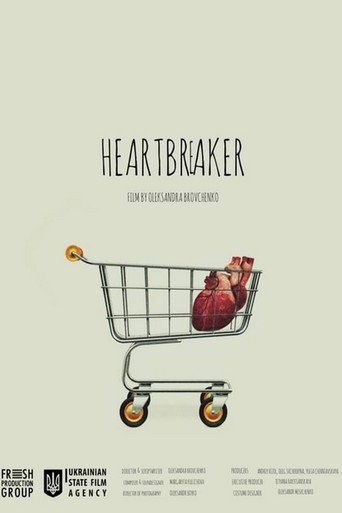
The guy falls in love with the supermarket cashier and gives her his heart… in fact… which, along with other packages, goes with a conveyor belt to the cash register.
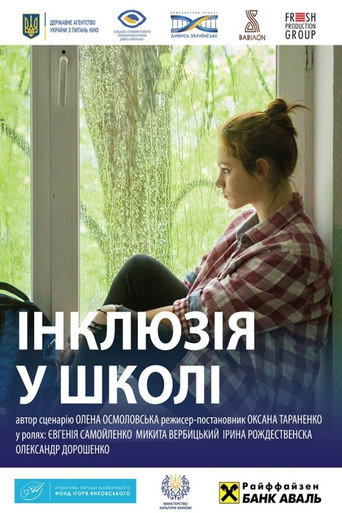
School. School playground. Classes are over, and students are having fun and noisily leaving school. The rain has just ended on the street, and there are many puddles on the asphalt. And on the passage itself - the largest and widest puddle, it is almost impossible to get around without getting your feet wet. Teenagers gather in flocks and think about how to overcome the puddle. A boy in a wheelchair appears, followed by a teenage girl. It is obvious that the guy likes the girl, and he likes him. The boy smiles and deftly puts the heroine on his lap, and, to the surprise of his classmates, transports the heroine through a large puddle in a wheelchair.
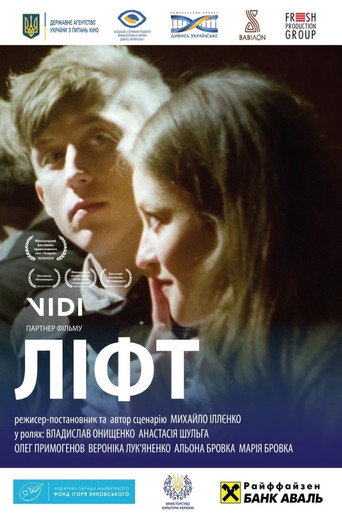
Easter. Staircase. The guy is waiting for the elevator, but time and time again misses and does not come. Until the elevator stops, the door opens, and there she is.
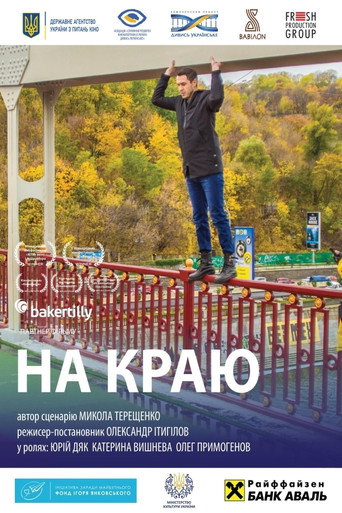
Wanting to commit suicide, the guy intends to jump off the bridge. An unfamiliar girl intervenes in the process. After communicating with her, the guy still decided to return to life. Still ahead.