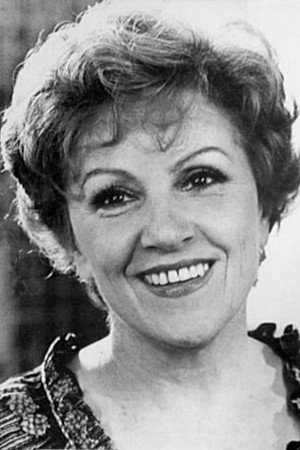
Odette Laure Movies, TV Shows, and Filmography
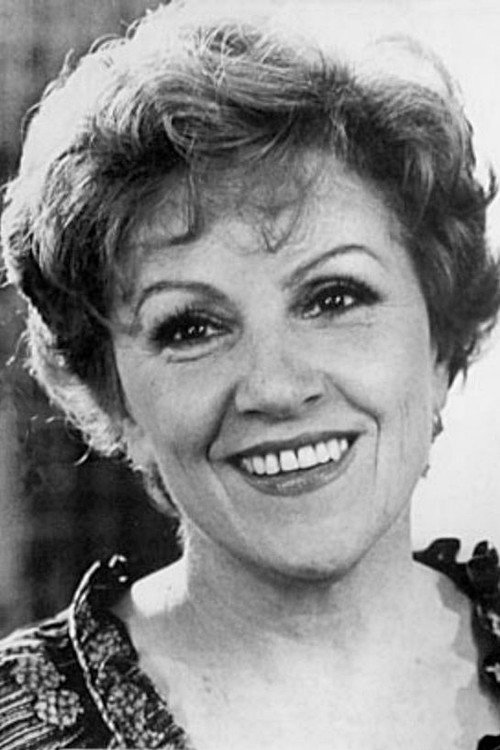
Odette Laure
Acting
Biography
Odette Laure (28 February 1917 – 10 June 2004) was a French actress and cabaret singer. She appeared in more than 50 films and television shows between 1950 and 2001. She was nominated for the César Award for Best Supporting Actress for Daddy Nostalgia (1990). She was born Odette Yvonne Marie Dhommée in Paris, where she died. Source: Article "Odette Laure" from Wikipedia in English, licensed under CC-BY-SA 3.0.
Filmography Movies
Acting
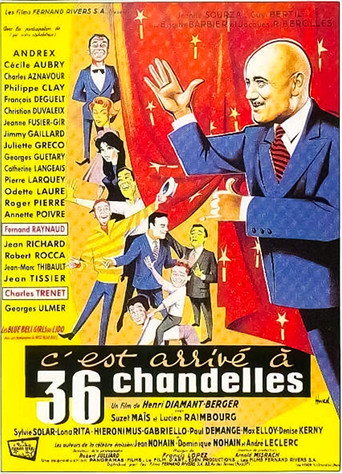
It Happened on the 36 Candles
Rejecting the union of her daughter Brigitte with a modest worker, Madame Magnin invents an adultery for the lover, then introduces Brigitte to a good-looking man working on the famous RTF entertainment show 36 Chandelles. The show ultimately seals the reunion of the two estranged young lovers. The story features a parade of music-hall stars from the era: Charles Trenet, Charles Aznavour, Georges Guétary, Juliette Gréco, Roger Pierre and Jean-Marc Thibault, Fernand Raynaud, Georges Ulmer and many more.
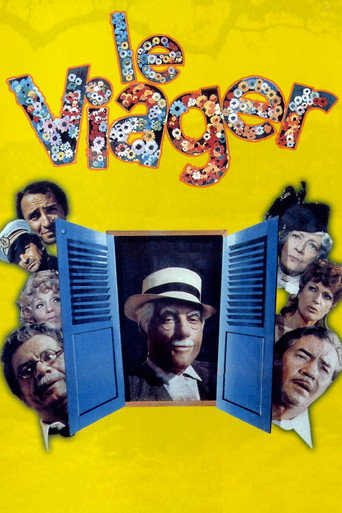
The Annuity
In 1930, Louis Martinet, a peaceful sexagenarian, no longer has a long life to live according to the words of his doctor, Leon Galipeau, who sees to take advantage of the very interesting situation of the "future deceased". This one indeed has a small house in Saint-Tropez. Galipeau sniffs the windfall. Following his advice, Martinet agrees to give it in life to the brother of the doctor, Emile, and then rushes back to a health of iron. Worse, he even survives the war. Galipeau, exhausted, decide to use the great means to get rid of the importunce who persists in thwarting their project ...
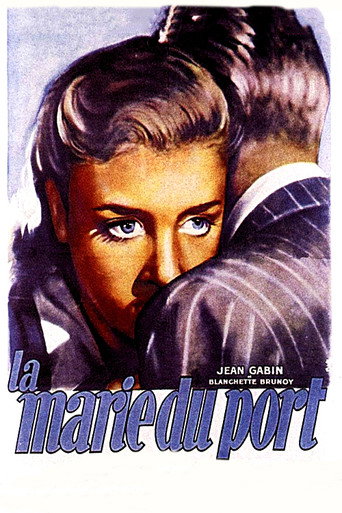
Marie of the Port
Henri Chatelard is well into his forties, owns a restaurant and a cinema in the city, and appreciates women. When he meets Marie, an 18-ish strong-head who just lost her father in a small fishing village, it is not clear who is the hunter and who is the prey.

Le Bal des casse-pieds
A tolerant veterinarian turns the other cheek when annoyed but changes his nature when he falls in love.
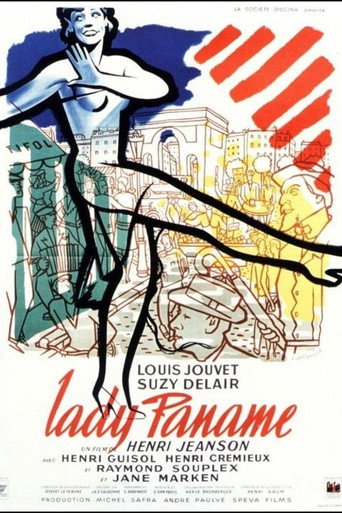
Lady Paname
The evocation of Paris in the 1920s mingles with the rapid rise of the irresistible Caprice, a talented singer, and her tumultuous love affair with Jeff the composer. A photographer nicknamed Bagnolet, a gentle anarchist, gently monitors the activities of Caprice, who has become Lady Paname and, in the absence of morality, makes love triumph.
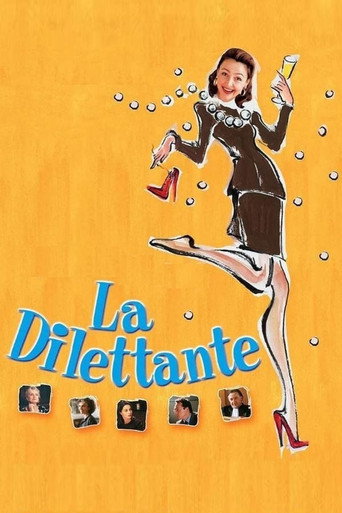
La Dilettante
Pierrette is a woman who describes herself as having "opted for the temporary on a permanent basis." After 15 years of living the good life in Switzerland, Pierrette one day packs her bags full of fashionable outfits and returns to her native Paris with no idea of what she'll do. Pierette, however, leads a charmed life; while her son is forced to work the graveyard shift at a factory due to poor job prospects, she's able to find a job right away at a high school. Pierrette soon reintroduces herself to her 23-year-old daughter and one-time best friend, trying to use her charm to skate over years of neglect. She just as suddenly finds a new beau, Ackerman, and starts helping him out with his antique business. However, what would seem like a simple matter -- buying a clock from an elderly woman -- soon turns out to be very complicated and fraught with consequence.
Lady Paname
The evocation of Paris in the 1920s mingles with the rapid rise of the irresistible Caprice, a talented singer, and her tumultuous love affair with Jeff the composer. A photographer nicknamed Bagnolet, a gentle anarchist, gently monitors the activities of Caprice, who has become Lady Paname and, in the absence of morality, makes love triumph.
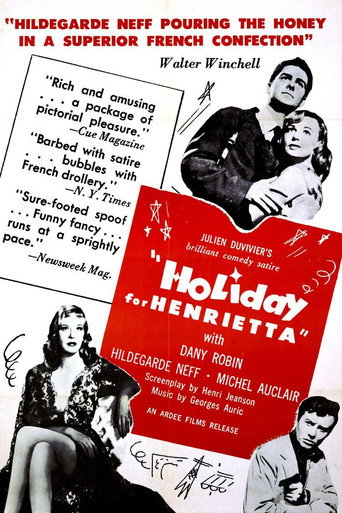
Holiday for Henrietta
Two scriptwriters argue about the fate of Henrietta, a charming and gamine shopgirl. One favors a comical path for their heroine, who is overcome with sentimental love for a young photographer on Bastille Day. The other has a more thrilling and dastardly fate in mind for her. Among the film's irresistible conceits is Hildegarde Neff as an oversexed circus bareback rider.
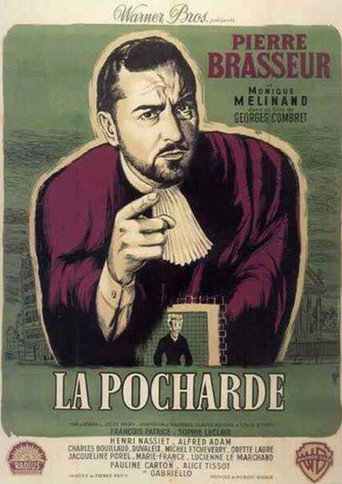
The Drunkard
Unfairly accused of her husband's murder, a woman is imprisoned.
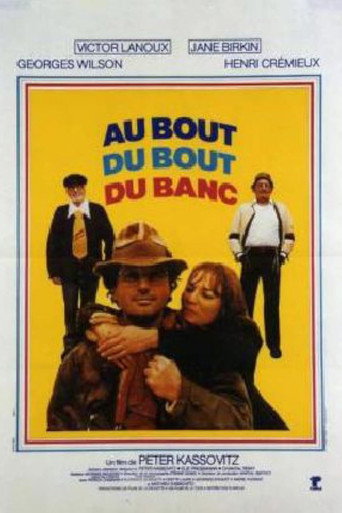
Make Room for Tomorrow
Four generations of Oppenheim men gather in Paris for Isaac's 90th birthday. He's "Romeo," still a lady's man, waiting to hear from a woman to whom he has proposed, threatening suicide if she says no. They gather at Isaac's grandson's, Ben, who lives with Peggy and their son Mathias who's 10. Joining them, from Israel, is Isaac's son Elie. Against a backdrop of Elie's attempts to call his ex-wife, Ben and Peggy's marital difficulties, Mathias's budding sexuality, everyone's love of chess and practical jokes, Ben's house (shifting dangerously on its foundation), and the twentieth-century struggles of the Jews, the film explores their relationships and Isaac's aging.
Gallery