O. Nazarova Movies, TV Shows, and Filmography
O. Nazarova
Acting
Biography
No biography available.
Filmography Movies
Acting
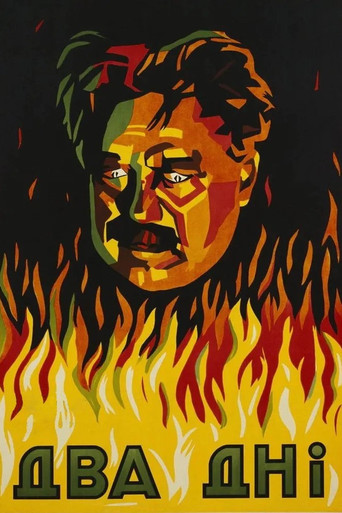
Two Days
The Red Army enters the city, while the White Army leaves it. There are only two people in the landlord’s estate, an old doorkeeper and a grammar school student, the landlord’s son. The house is taken by the Red Army detachment, and the doorkeeper’s son Andrii, a Bolshevik, is among them. The old man does not share his beloved son’s views and protects the landlord’s son hiding him in the attic.
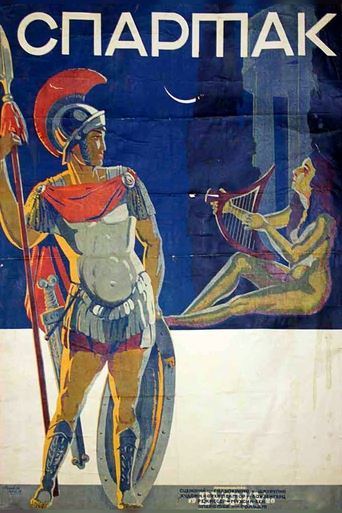
Spartacus
The owner of the gladiator school buys two slaves, the Thracian Spartacus and the Gaul Artorix. During the first fight in the arena, Spartacus wins over the Colloseum audience and his freedom. When freed from gladiator slavery, Spartacus calls slaves and Rome plebs for a rebel. The dictator Sulla dies. Spartacus and rebellious slaves lay out a camp near Vesuvius. The Roman commander Crassus is unable to take Spartacus’s camp by storm, so he lays siege to it. Spartacus is betrayed; he dies with his friend Artorix in a battle. The film is based on Raffaello Giovagnoli’s novel of the same name.

Tamilla
Algeria, run by the French administration. Tamilla is a cheerful girl whose father, a respected member of the Méziane community of Kabylians, is looking for a favorable marriage. Mezian promises his daughter to the old merchant Lakhrash. This does not prevent him from selling Tamilla almost immediately for the second time, this time to a young handsome man named Akli, with whom the girl experiences short-term happiness. But later, Akli thinks about another wife. At the same time, Meziane is scheming to lure more money from Akli and pay off Lakhrash. Having already given birth to a child with Akli, Tamilla finally falls into Lakhrash's hands. Everything ends in tragedy, and Tamilla is imprisoned by an unjust sentence of French judges who are insensitive to Berber problems. Although Tamilla will be released, she is already "damaged goods". The film premiered in Turkey 92 years later with a special screening at the 56th Antalya Golden Orange Film Festival.